The real estate market has evolved significantly over the past decade, offering investors a wide range of opportunities beyond traditional residential and commercial properties. Among these emerging opportunities, resort investments have gained substantial attention due to their unique combination of financial returns, lifestyle benefits, and long-term value appreciation.
As tourism continues to grow and travelers increasingly seek premium experiences, resort properties have become an attractive asset class for investors looking to diversify their portfolios while generating steady income. Whether located in scenic mountains, peaceful forests, serene lakesides, or popular tourist destinations, resorts offer a compelling investment opportunity that combines leisure with profitability.
In this article, we explore the major benefits of investing in resorts and why this segment is becoming a preferred choice for modern investors.
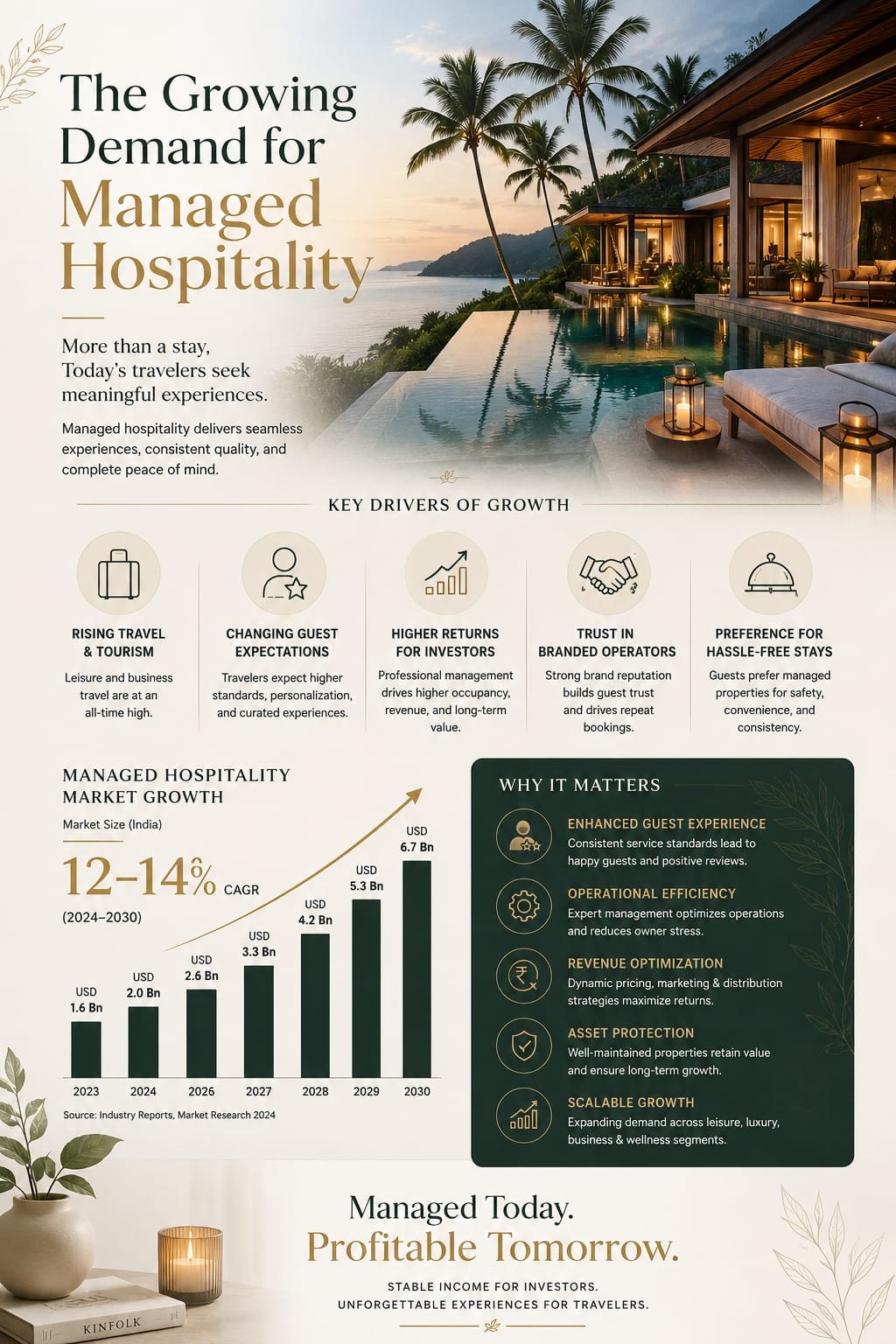
The Growing Demand for Resort Properties
The tourism and hospitality industry has witnessed remarkable growth in recent years. Travelers today are no longer satisfied with conventional accommodations; they seek immersive experiences, wellness retreats, eco-friendly stays, and luxury getaways.
This shift in consumer preferences has created a strong demand for high-quality resort properties. As domestic and international tourism continues to expand, resort owners and investors stand to benefit from increasing occupancy rates and growing customer demand.
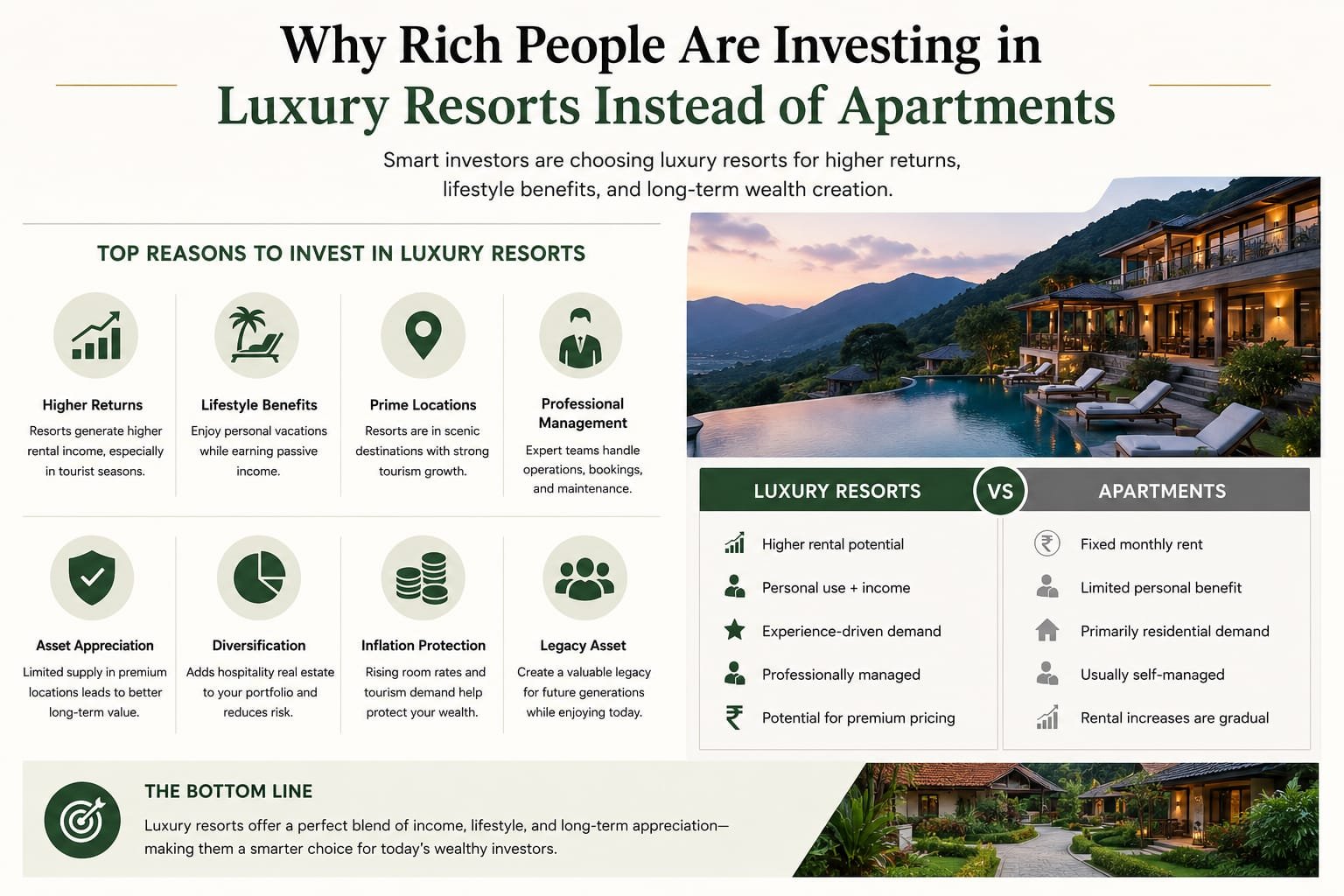
1. Attractive Rental Income Potential
One of the most significant advantages of resort investments is the opportunity to generate consistent rental income.
Unlike conventional residential properties that typically yield fixed monthly rents, resort properties can command premium nightly rates, especially during peak travel seasons. Popular tourist destinations often experience high occupancy levels throughout the year, creating opportunities for substantial revenue generation.
Many resort developments also offer professionally managed rental programs, allowing investors to earn passive income without handling day-to-day operations.
Key Benefits:
- Higher rental yields compared to traditional residential properties.
- Revenue from short-term stays.
- Increased earnings during holiday and vacation seasons.
- Passive income through professional property management.
2. Strong Capital Appreciation
Resort properties located in desirable destinations often experience significant appreciation over time.
As tourism infrastructure develops and demand increases, property values tend to rise. Locations that were once considered hidden gems can transform into sought-after tourist hotspots, leading to substantial growth in real estate prices.
Investors who enter the market early often benefit from both rental income and long-term capital gains.
Factors contributing to appreciation include:
- Improved connectivity and infrastructure.
- Growth in tourism activities.
- Limited availability of premium resort land.
- Increasing demand for vacation properties.
3. Portfolio Diversification
Experienced investors understand the importance of diversification. Resort investments provide an excellent way to reduce dependence on traditional asset classes such as stocks, residential properties, or commercial real estate.
By adding hospitality-based assets to an investment portfolio, investors can spread risk across different sectors and potentially achieve more balanced returns.
Diversification can help:
- Reduce overall investment risk.
- Improve long-term portfolio stability.
- Provide alternative income streams.
- Protect against market fluctuations.
4. Personal Lifestyle Benefits
Unlike many other investments, resort ownership offers both financial and personal rewards.
Investors often enjoy access to their property for vacations, family gatherings, or weekend retreats. This unique advantage allows owners to benefit from their investment while creating memorable experiences with loved ones.
Instead of paying for expensive holiday accommodations every year, investors can enjoy their own premium getaway while earning income when the property is not in use.
5. Increasing Tourism Growth
Tourism remains one of the fastest-growing sectors globally. Rising disposable incomes, improved transportation networks, and changing lifestyle preferences continue to drive travel demand.
The increasing popularity of:
- Wellness tourism
- Adventure tourism
- Eco-tourism
- Luxury travel
- Work-from-anywhere lifestyles
has further strengthened the demand for quality resort accommodations.
As tourist arrivals increase, resort properties positioned in attractive destinations are likely to benefit from sustained occupancy and revenue growth.
6. Professional Management Services
One concern many investors have is the complexity of managing hospitality properties. Fortunately, modern resort developments often provide comprehensive management services.
Professional operators typically handle:
- Guest bookings
- Housekeeping
- Maintenance
- Marketing
- Customer service
- Revenue management
This allows investors to enjoy passive income while experienced professionals oversee daily operations.
The result is a hassle-free ownership experience with minimal involvement from the investor.
7. Protection Against Inflation
Real estate has traditionally served as an effective hedge against inflation, and resort properties are no exception.
As inflation rises, accommodation rates, property values, and tourism-related services often increase accordingly. This enables resort owners to maintain purchasing power and potentially achieve higher revenues over time.
Resort investments can therefore provide:
- Inflation-adjusted income.
- Long-term wealth preservation.
- Improved asset value growth.
8. Growing Demand for Experiential Travel
Modern travelers prioritize experiences over possessions. Today’s tourists seek authentic, memorable, and personalized stays rather than standard hotel rooms.
This shift has created strong demand for:
- Nature resorts
- Eco-retreats
- Wellness resorts
- Luxury glamping experiences
- Boutique hospitality destinations
Investors who own resort properties catering to these trends may benefit from growing customer demand and higher occupancy rates.
9. Limited Supply in Prime Destinations
Many premium resort destinations have a limited supply of developable land. Environmental regulations, geographic constraints, and conservation requirements often restrict new construction.
As demand increases and available inventory remains limited, existing resort properties may experience stronger value appreciation.
Scarcity is a powerful driver of real estate value, making strategically located resorts particularly attractive investments.
10. Long-Term Wealth Creation
Resort investments offer a combination of recurring income and capital growth, making them an effective vehicle for long-term wealth creation.
When managed properly, investors can benefit from:
- Rental income.
- Property appreciation.
- Portfolio diversification.
- Inflation protection.
- Lifestyle advantages.
These multiple income and growth channels contribute to building sustainable wealth over time.
Why Resort Investments Are Becoming Popular in India
India’s tourism sector is experiencing rapid expansion due to improved infrastructure, rising domestic travel, and increasing interest in luxury and experiential tourism.
As more travelers seek nature-based and wellness-focused destinations, resort investments are emerging as a promising opportunity for investors looking to capitalize on this trend.
Conclusion
The benefits of investing in resorts extend far beyond traditional real estate returns. Resort properties offer a unique blend of financial growth, recurring income, portfolio diversification, and lifestyle advantages.
With the continued growth of tourism, increasing demand for experiential travel, and the limited availability of premium resort destinations, this asset class presents an attractive opportunity for both seasoned and first-time investors.
For individuals seeking a long-term investment that combines profitability with personal enjoyment, resort investments can be a valuable addition to a diversified portfolio.
Frequently Asked Questions (FAQs)
1. Is investing in a resort a good investment?
Yes. Resort investments can provide rental income, capital appreciation, diversification, and personal usage benefits, making them an attractive long-term investment option.
2. How do resort properties generate income?
Resort properties primarily generate income through guest bookings, vacation rentals, hospitality services, and managed rental programs.
3. Are resort investments suitable for first-time investors?
Yes. Many professionally managed resort projects offer simplified ownership structures that make investing accessible to first-time investors.