The investment landscape has undergone a remarkable transformation over the past decade. Traditionally, investors focused solely on financial metrics such as capital appreciation, rental income, and return on investment (ROI). However, a new generation of investors is redefining success. Today, people are increasingly seeking investments that not only generate wealth but also enhance their lifestyles and create meaningful experiences.
As the demand for lifestyle-oriented investments continues to grow, resort properties have emerged as one of the most attractive opportunities in the real estate sector.
This shift has given rise to a powerful trend known as experiential real estate investment. From luxury resorts and wellness retreats to eco-friendly destinations and nature-inspired developments, investors are prioritizing properties that deliver both financial rewards and memorable experiences.
The Rise of the Experience Economy
The concept of the “Experience Economy” has transformed numerous industries, including travel, hospitality, and real estate. Consumers are spending more on experiences than on material possessions because experiences create lasting memories and emotional connections.
This trend has naturally extended into investment decisions. These investments allow owners to enjoy their properties while generating income through professionally managed hospitality operations.
Rather than investing solely in conventional residential or commercial properties, investors are exploring opportunities that offer immersive experiences. Resort developments located in scenic destinations, wildlife zones, mountains, and wellness hubs are becoming increasingly popular because they combine leisure with profitability.
The Evolution of Investor Priorities
Modern investors are no longer satisfied with owning assets that exist only on paper. They want investments they can see, feel, and enjoy. This changing mindset is largely influenced by evolving consumer preferences, greater financial awareness, and the growing importance of work-life balance.
Investors today seek opportunities that align with their personal aspirations while simultaneously building long-term wealth. They are increasingly interested in properties that provide:
- Financial returns
- Lifestyle benefits
- Vacation opportunities
- Emotional satisfaction
- Long-term asset appreciation
This shift reflects a broader movement toward value-driven investing, where personal experiences become just as important as monetary gains.
Experience-Driven Investments Create Emotional Value
One of the most overlooked aspects of investing is emotional value.
Traditional investments such as stocks, bonds, and mutual funds may generate returns, but they rarely create a personal connection. Resort properties, on the other hand, offer tangible experiences that enrich the investor’s life.
This emotional connection often increases investor satisfaction and strengthens long-term commitment to the asset.
Whether it is spending weekends amidst nature, enjoying luxury hospitality services, or creating memorable family vacations, experiential investments provide benefits that extend beyond financial performance.
Why Resort Investments Are Gaining Popularity
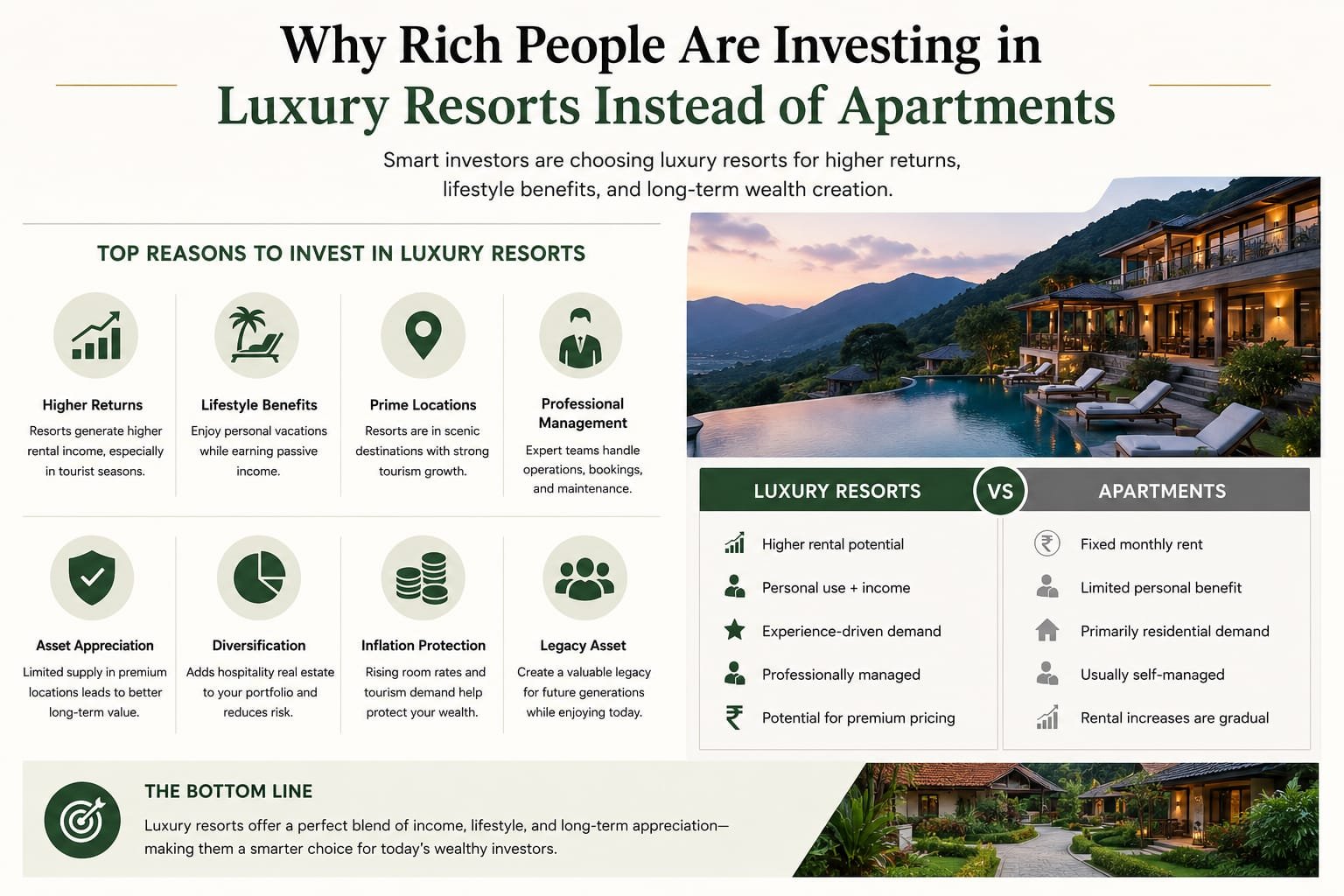
Resort investments represent the perfect balance between lifestyle and wealth creation. Unlike traditional real estate, resort properties provide investors with opportunities to personally experience the destinations they invest in.
Imagine owning a share of a premium resort nestled in the mountains, surrounded by lush forests, breathtaking views, and fresh air. Not only can the property generate rental income, but it can also serve as a personal retreat whenever needed.
This dual advantage has made resort real estate increasingly attractive among:
- Working professionals
- Entrepreneurs
- Business owners
- Retired individuals
- Young investors seeking diversified portfolios
The ability to enjoy a property while benefiting from its appreciation and revenue potential creates a compelling investment proposition.
Experience-Driven Investments Create Emotional Value
Whether it is spending weekends amidst nature, enjoying luxury hospitality services, or creating memorable family vacations, experiential investments provide benefits that extend beyond financial performance.
Traditional investments such as stocks, bonds, and mutual funds may generate returns, but they rarely create a personal connection. Resort properties, on the other hand, offer tangible experiences that enrich the investor’s life.
This emotional connection often increases investor satisfaction and strengthens long-term commitment to the asset.
Financial Returns Still Matter
While experiences have become an important consideration, investors have not abandoned their focus on returns. In fact, experiential real estate often combines lifestyle advantages with attractive financial performance.
Professionally managed resort properties can generate revenue through:
- Room bookings
- Hospitality services
- Event hosting
- Corporate retreats
- Wellness programs
- Seasonal tourism demand
Additionally, strategically located resort properties often benefit from land value appreciation, creating opportunities for long-term wealth creation.
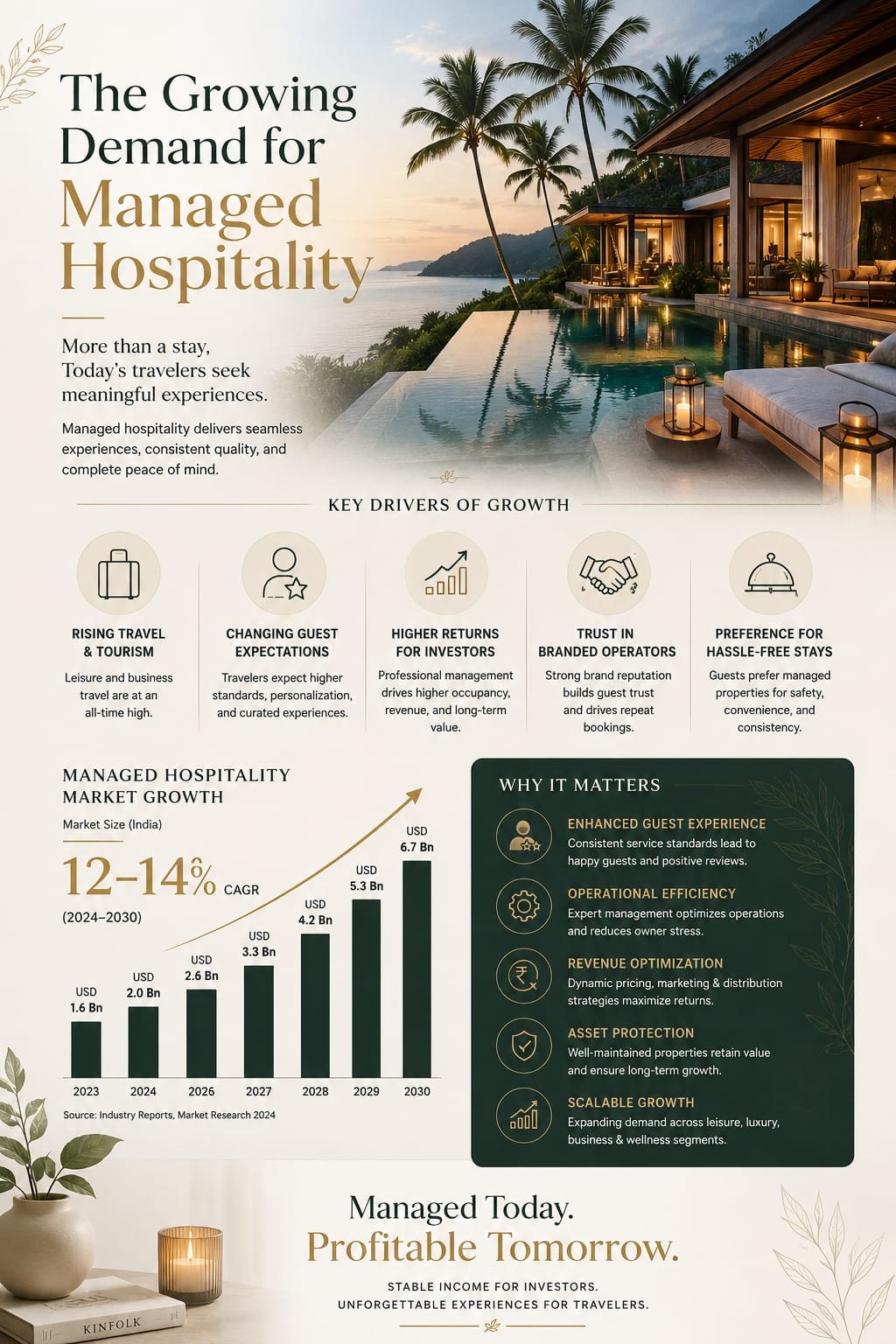
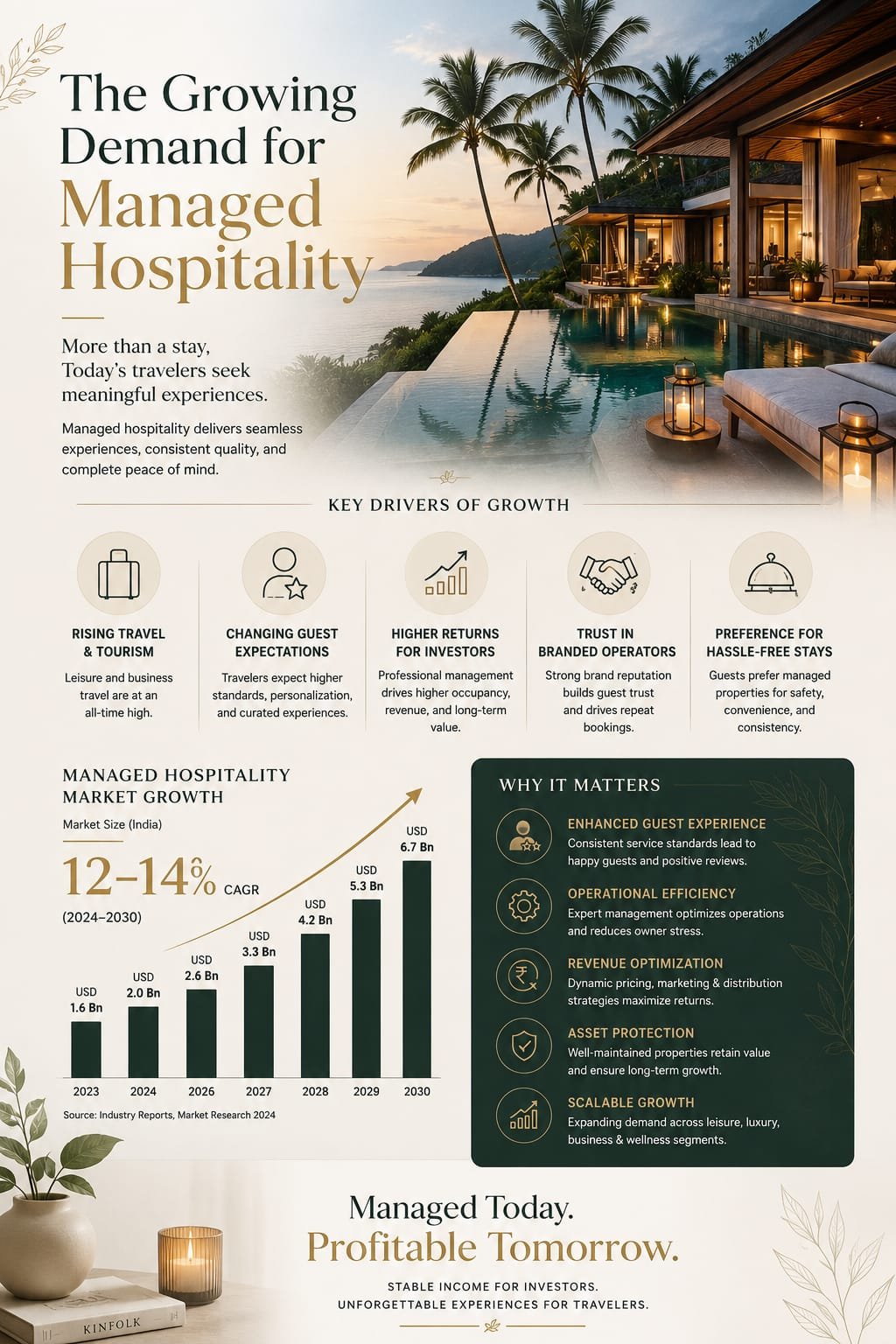
As tourism continues to expand across India, many resort destinations are experiencing increasing occupancy rates and higher revenue potential.


The Growing Appeal of Nature-Based Investments
Urban lifestyles have become increasingly stressful, leading many individuals to seek opportunities that reconnect them with nature. As a result, destinations surrounded by mountains, forests, rivers, and wildlife are witnessing significant growth in tourism and hospitality demand.
Investors recognize that properties located in such destinations not only offer personal enjoyment but also possess strong potential for long-term appreciation.
Nature-centric resort developments are benefiting from several emerging trends:
- Wellness tourism growth
- Sustainable travel preferences
- Remote work flexibility
- Weekend getaway culture
- Increased domestic tourism
Why Younger Investors Are Driving This Trend
Millennials and Gen Z investors are playing a significant role in the growth of experiential real estate.
Unlike previous generations, younger investors prioritize flexibility, experiences, and lifestyle enhancement. They often view investments as tools that should support both financial goals and personal fulfillment.
Many young professionals prefer assets that provide:
- Portfolio diversification
- Passive income opportunities
- Lifestyle benefits
- Vacation access
- Long-term wealth creation
The Future of Experiential Real Estate
Industry experts believe experiential real estate will continue to gain momentum in the coming years. As technology enables remote work and flexible lifestyles, more individuals are expected to invest in destinations that combine leisure with investment potential.
Properties located in emerging tourism destinations may offer particularly attractive opportunities as infrastructure development and tourism growth continue to expand.
Developments focused on sustainability, wellness, eco-tourism, and luxury hospitality are likely to attract significant investor attention.
Resort investments effectively address all of these objectives, making them particularly appealing to the modern investor.
The future of real estate is no longer defined solely by square footage or location—it is increasingly shaped by the experiences a property can provide.
Conclusion
Modern investors are redefining what it means to build wealth. While financial returns remain important, today’s investment decisions are increasingly influenced by lifestyle aspirations, personal experiences, and emotional value.
As the demand for experience-driven assets continues to rise, resort properties are becoming more than just investments—they are gateways to a richer and more fulfilling lifestyle. For investors seeking both returns and meaningful experiences, experiential real estate represents a compelling opportunity for the future.
Experiential real estate has emerged as a powerful response to these changing preferences, offering a unique combination of profitability and enjoyment. Resort investments, in particular, allow investors to participate in the growth of tourism and hospitality while enjoying access to exceptional destinations and memorable experiences.
FAQs
Experiential real estate refers to properties designed to provide unique lifestyle experiences in addition to financial returns. Examples include resort properties, wellness retreats, eco-resorts, and hospitality-focused developments.
Yes. Professionally managed resort properties can generate income through guest bookings, hospitality services, events, and tourism-related activities.
Investors should evaluate the location, tourism potential, developer reputation, management structure, expected returns, occupancy trends, and future growth prospects of the destination.