The way people invest in real estate is changing rapidly. Today’s investors are looking beyond traditional property ownership and seeking opportunities that combine financial growth with meaningful lifestyle experiences. This shift has sparked growing interest in two popular real estate options: second homes and resort investments.
At first glance, both may seem similar. After all, both are often located in attractive destinations and can serve as personal retreats away from busy urban life. However, when it comes to ownership structure, income potential, maintenance responsibilities, and overall investment value, there are significant differences.
If you’re considering investing in a vacation property, understanding these differences can help you make a smarter financial decision. In this guide, we’ll compare second homes and resort investments in detail to help you determine which option aligns best with your goals.
Understanding Second Homes
A second home is an additional residential property purchased primarily for personal use. These homes are typically located in vacation destinations such as hill stations, beaches, wildlife regions, or cultural hotspots.
The appeal of a second home lies in the freedom and exclusivity it offers. Owners have complete control over the property and can use it whenever they wish. However, this ownership also comes with responsibilities, including maintenance, security, utility payments, repairs, and property management.
People often buy second homes to enjoy weekend getaways, family vacations, retirement living, or simply to have a peaceful escape from city life.
While some owners choose to rent their second homes during unused periods, generating consistent income can be challenging without professional hospitality support.
Understanding Resort Investments
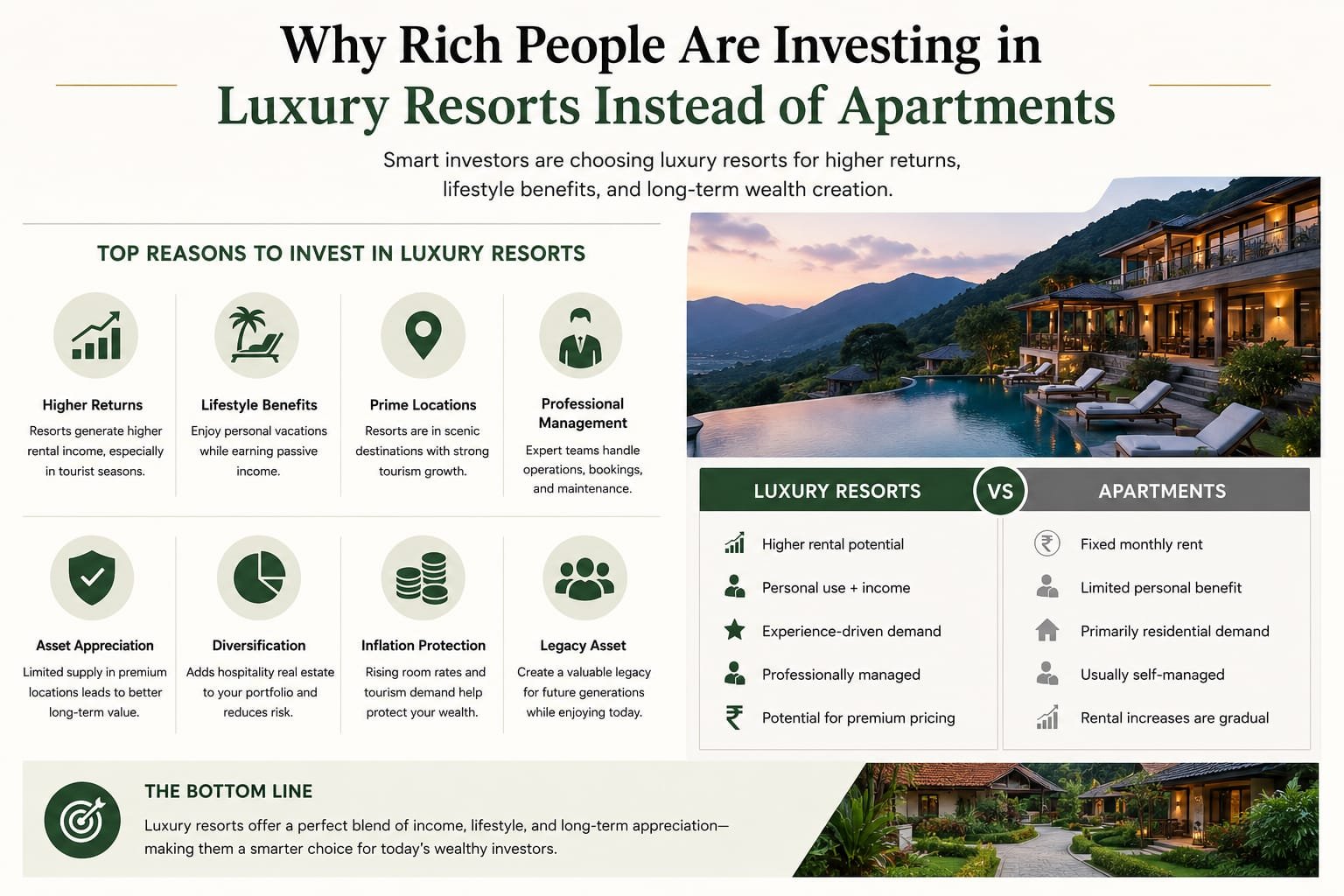
Resort investments are a modern form of experiential real estate designed to provide both lifestyle benefits and financial returns.
In a resort investment model, investors own a villa, cottage, suite, or a share of a hospitality property that is professionally managed by experienced operators. The property functions as part of a resort ecosystem and generates revenue through tourism and guest bookings.
Unlike traditional second homes, resort investments are designed to maximize occupancy and revenue generation. Investors can enjoy personal stays while earning passive income when the property is rented to guests.
This combination of personal enjoyment and financial performance has made resort investments increasingly attractive among modern investors.
Second Homes vs Resort Investments: A Detailed Comparison
| Feature | Second Home | Resort Investment |
|---|---|---|
| Primary Purpose | Personal Use | Income + Lifestyle |
| Ownership | Individual Ownership | Individual or Fractional Ownership |
| Rental Income | Optional and Uncertain | Designed for Revenue Generation |
| Property Management | Owner Responsibility | Professionally Managed |
| Maintenance Costs | Fully Paid by Owner | Managed by Resort Operator |
| Occupancy Potential | Limited | Higher Due to Tourism Demand |
| Personal Usage | Unlimited | Limited Days in Some Models |
The Hidden Challenges of Owning a Second Home
Although owning a second home sounds appealing, many investors underestimate the costs and responsibilities involved.
A vacation property often remains vacant for most of the year. Yet the owner must continue paying for:
- Property taxes
- Maintenance expenses
- Security arrangements
- Utility bills
- Repairs and renovations
- Landscaping and upkeep
As a result, many second-home owners find themselves managing an asset that generates expenses rather than income.
Additionally, properties left vacant for extended periods may experience wear and tear, security concerns, and declining value if not properly maintained.
Why Investors Traditionally Preferred Second Homes
For decades, second homes represented a symbol of financial success and lifestyle achievement. Owning a cottage in the mountains or a villa near a tourist destination was often considered a dream investment.
Second homes provide:
- Complete ownership control
- Personal privacy
- Long-term family use
- Retirement planning opportunities
- Potential capital appreciation
Many families value the emotional connection associated with owning a property that can be passed down through generations.
However, changing lifestyles and evolving investment priorities have exposed several challenges associated with traditional second-home ownership
The Rise of Experiential Real Estate
One of the biggest trends influencing the property market today is the rise of experiential real estate.
Modern buyers are no longer interested in simply owning physical assets. They want investments that create memorable experiences and improve their quality of life.
Properties located in destinations known for:
- Nature tourism
- Wellness retreats
- Wildlife experiences
- Adventure tourism
- Luxury hospitality
are attracting significant investor attention.
Resort developments perfectly align with these preferences because they combine ownership with hospitality-driven experiences.
The Future of Vacation Property Investments
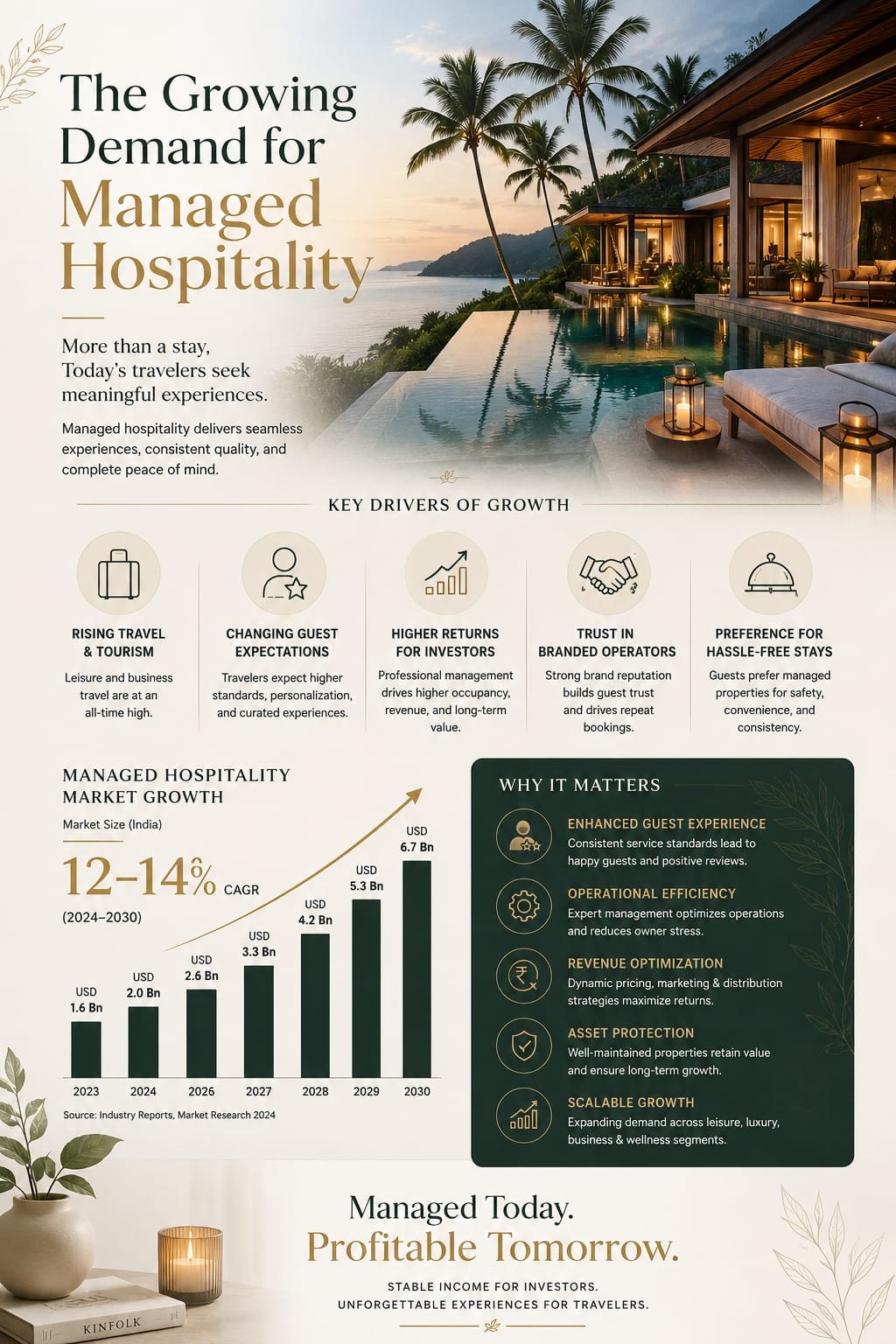
As travel patterns evolve and demand for unique experiences continues to grow, resort-based investments are becoming increasingly attractive.
The rise of domestic tourism, wellness travel, eco-tourism, and remote work culture is creating strong demand for quality hospitality properties in scenic destinations.
Locations such as mountain retreats, wildlife regions, riverside destinations, and nature-focused developments are expected to remain attractive investment opportunities in the coming years.
Investors who align their portfolios with these trends may benefit from both financial growth and exceptional lifestyle experiences.
Why Resort Investments Are Gaining Popularity
Modern investors are increasingly focused on assets that can serve multiple purposes. They want investments that offer:
- Wealth creation
- Lifestyle enhancement
- Passive income
- Portfolio diversification
- Personal enjoyment
Resort investments address all these objectives simultaneously.
When not being used by the owner, the property can generate revenue through guest stays. Professional management teams handle marketing, operations, housekeeping, guest services, and maintenance.
Which Option Is Better for Modern Investors?
The answer depends on your investment objectives.
Choose a Second Home If:
- You prioritize personal use.
- You want complete ownership control.
- You plan to spend significant time at the property.
- Income generation is not your primary goal.
Choose a Resort Investment If:
- You want passive income.
- You prefer professional management.
- You seek both lifestyle and financial returns.
- You want exposure to India’s growing tourism sector.
- You value experiential real estate opportunities.
For many modern investors, resort investments offer a balanced approach that combines enjoyment with wealth creation.
Conclusion
Both second homes and resort investments offer unique advantages. A second home provides privacy, flexibility, and a personal retreat, while a resort investment combines ownership with professional management, passive income potential, and hospitality-driven experiences.
For investors focused primarily on lifestyle, a second home can be a rewarding choice. However, for those seeking a combination of personal enjoyment, recurring income, and long-term value creation, resort investments often provide a more comprehensive investment solution.
As experiential real estate continues to reshape the market, resort investments are emerging as one of the most compelling opportunities for modern investors who want more than just financial returns.
FAQs
1. What is the main difference between a second home and a resort investment?
A second home is primarily purchased for personal use, whereas a resort investment is designed to provide both personal enjoyment and income generation.
2. Can a second home generate rental income?
Yes, but it typically requires active management and may not generate consistent occupancy compared to a professionally managed resort property.
3. Which option is better for first-time investors?
For investors seeking a combination of lifestyle benefits and income potential, resort investments may provide a more balanced and manageable entry into real estate investing.