Introduction
The travel industry has undergone significant changes over the past decade, driven by evolving consumer preferences, remote work opportunities, digital technology, and a growing desire for unique experiences. These shifting travel patterns are not only transforming tourism but also reshaping the real estate market. From vacation homes and short-term rentals to mixed-use developments and resort properties, changing travel trends are creating new opportunities and challenges for real estate investors, developers, and property owners.
This article explores how modern travel trends are influencing real estate demand and what it means for investors in today’s dynamic market.
1. Rise of Remote Work and “Workcation” Culture
The widespread adoption of remote work has blurred the lines between work and travel. Many professionals now choose to work from different locations while enjoying a change of scenery, leading to the rise of the “workcation.”
Impact on Real Estate Demand:
- Increased demand for vacation homes with office-friendly amenities.
- Growing interest in long-term rental properties in tourist destinations.
- Higher demand for properties offering high-speed internet and co-working spaces.
- Growth in residential sales in hill stations, beach towns, and scenic destinations.
Popular destinations that were once seasonal tourist hotspots are becoming year-round residential markets.urbanarbor.in
2. Growth of Short-Term Rental Markets
Platforms such as Airbnb have revolutionized accommodation choices for travelers. Instead of traditional hotels, many tourists prefer private homes, apartments, and villas.
Real Estate Implications:
- Investors are purchasing properties specifically for short-term rental income.
- Demand for furnished apartments and holiday homes is increasing.
- Developers are creating projects tailored for vacation rental investors.
- Property values in tourist destinations are often driven upward by rental demand.
This trend has made real estate an attractive source of passive income for many investors.
3. Demand for Experiential Travel Destinations
Modern travelers increasingly seek authentic local experiences rather than traditional sightseeing tours. They prefer cultural immersion, nature retreats, wellness tourism, and eco-friendly destinations.
Effects on Property Markets:
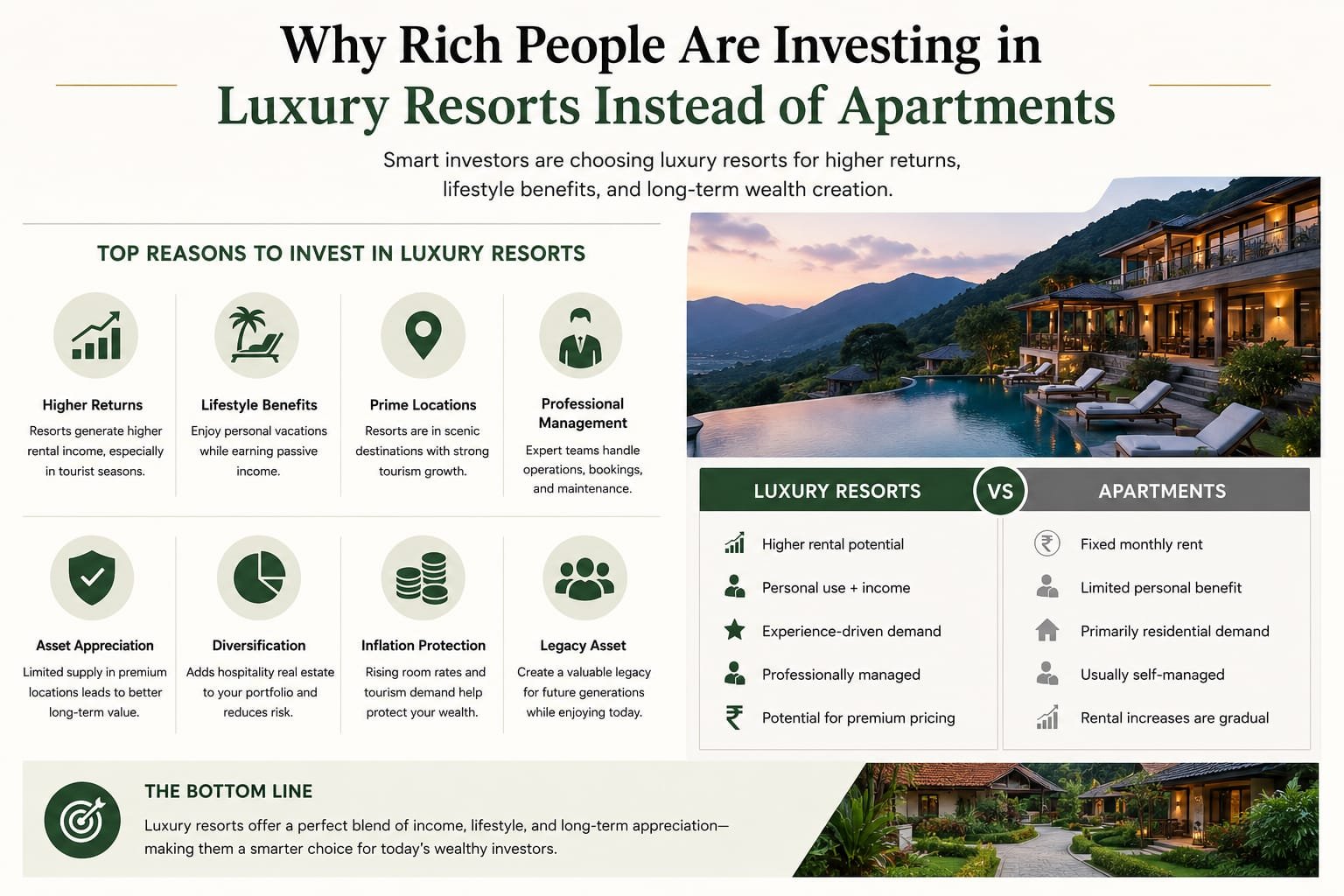
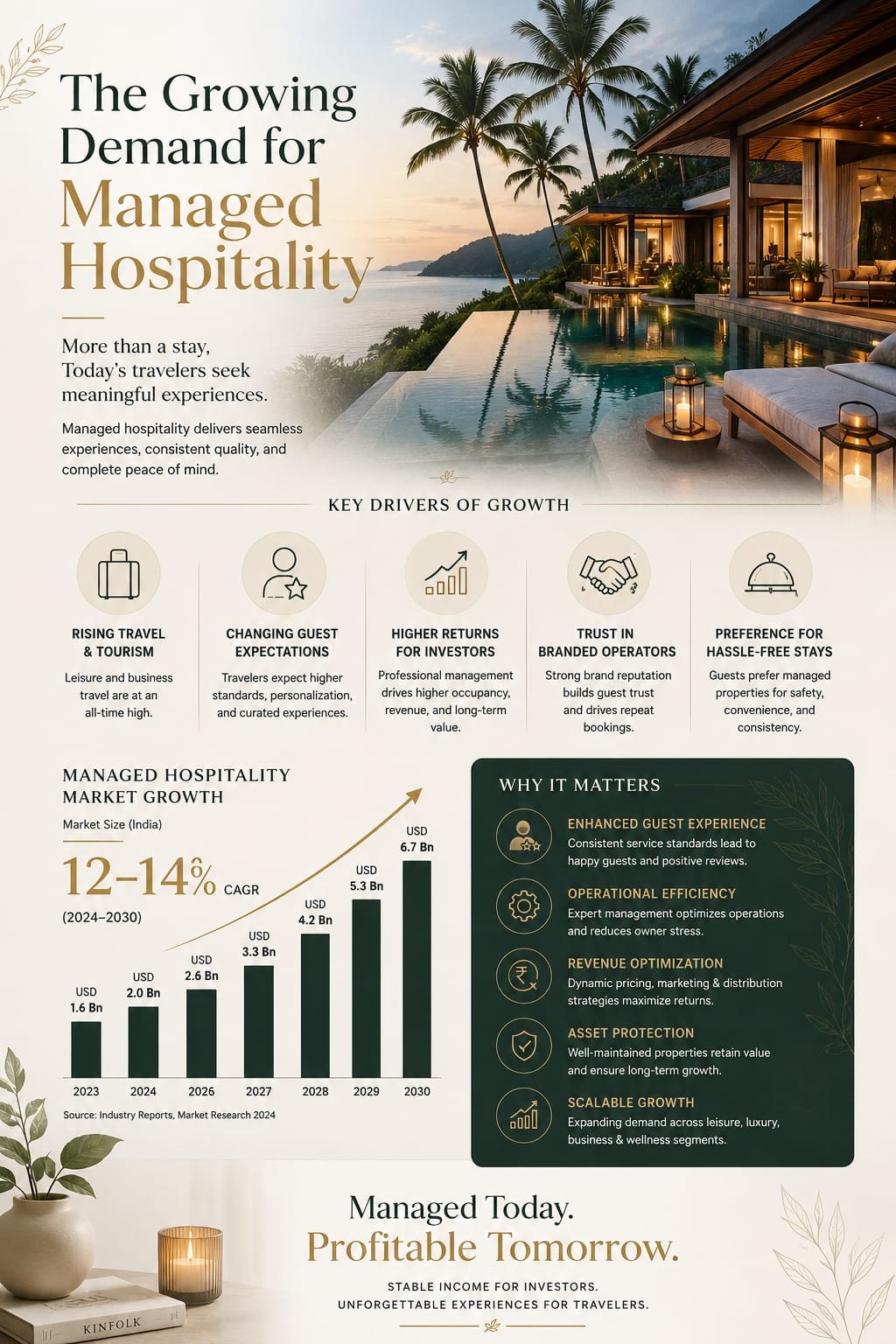
- Rising demand for boutique resorts and homestays.
- Increased investment in rural and semi-urban destinations.
- Growth of eco-friendly and sustainable real estate projects.
- Expansion of hospitality-focused developments.
Regions previously overlooked by investors are now attracting attention due to unique travel experiences.
4. Increased Interest in Second Homes
Many travelers are transitioning from temporary visitors to property owners in their favorite destinations. The desire for personal retreats and lifestyle investments has fueled demand for second homes.
Key Drivers:
- Affordable financing options.
- Desire for lifestyle upgrades.
- Hybrid work flexibility.
- Long-term appreciation potential.
Popular second-home markets often experience increased residential development and infrastructure improvements.
5. Wellness and Lifestyle-Focused Developments
Health-conscious travelers are increasingly choosing destinations that promote wellness, relaxation, and sustainable living.
Impact on Real Estate:
- Demand for wellness resorts and retirement communities.
- Growth in properties featuring fitness centers, spas, and green spaces.
- Increased interest in gated communities offering holistic lifestyles.
- Higher demand for low-density residential projects.
Developers are incorporating wellness features as major selling points.
6. Infrastructure Development Driven by Tourism
As tourism grows, governments and private investors often invest in transportation, connectivity, and public infrastructure.
Real Estate Benefits:
- Improved accessibility boosts property demand.
- Higher property values near airports, highways, and transit hubs.
- Increased commercial real estate opportunities.
- Enhanced attractiveness for residential and hospitality developments.
Infrastructure expansion frequently acts as a catalyst for real estate appreciation.
7. Sustainable Tourism Influencing Property Design
Environmental awareness is becoming a key factor in travel decisions. Travelers increasingly favor eco-friendly accommodations and sustainable destinations.
Resulting Real Estate Trends:
- Green building certifications gaining importance.
- Energy-efficient homes becoming more desirable.
- Demand for environmentally responsible developments.
- Growth in eco-resorts and sustainable communities.urbanarbor.in
Sustainability is evolving from a niche preference to a mainstream market expectation.
8. Emerging Tourism Hot spots Creating Investment Opportunities
Travel trends can rapidly transform lesser-known destinations into thriving real estate markets.
Examples of Growth Drivers:
- Social media exposure.
- Improved transportation infrastructure.
- Government tourism initiatives.
- Growth in domestic travel.
Early investors in emerging destinations often benefit from substantial capital appreciation as popularity increases.
Challenges for Real Estate Markets
While travel trends create opportunities, they can also present challenges:
- Rising property prices may reduce local affordability.
- Regulatory restrictions on short-term rentals can impact returns.
- Seasonal demand fluctuations may affect occupancy rates.
- Over dependence on tourism can increase market volatility.
Investors should carefully assess local regulations, tourism trends, and long-term sustainability before making decisions.
Conclusion
Changing travel trends are playing a major role in shaping real estate demand worldwide. The rise of remote work, experiential tourism, short-term rentals, wellness travel, and sustainable living preferences is creating new investment opportunities across residential, hospitality, and mixed-use sectors. As travelers continue to seek flexibility, unique experiences, and lifestyle-driven destinations, real estate markets that adapt to these evolving demands are likely to experience stronger growth and long-term value appreciation.
For investors, understanding the connection between travel behavior and property demand can provide valuable insights for identifying profitable real estate opportunities in both established and emerging markets.