In the traditional view of investing, assets are usually divided into two categories: those that provide personal enjoyment and those that generate financial returns. A family vacation home, for example, is often considered a lifestyle purchase, while a rental property is viewed as an investment. However, a growing number of investors are discovering that certain assets can successfully bridge both worlds—offering an enhanced lifestyle while simultaneously producing income.
The idea of owning a single asset that enriches your life and contributes to your financial goals is highly appealing. But is it truly possible? The answer is yes—provided you choose the right asset and manage it effectively.
Understanding Lifestyle and Income Assets
A lifestyle and income asset is an investment that serves a dual purpose:
- Lifestyle Value – It provides personal enjoyment, convenience, experiences, or emotional satisfaction.
- Income Potential – It generates cash flow, appreciates in value, or creates business revenue.
The ideal asset allows you to enjoy the benefits of ownership without sacrificing financial performance.
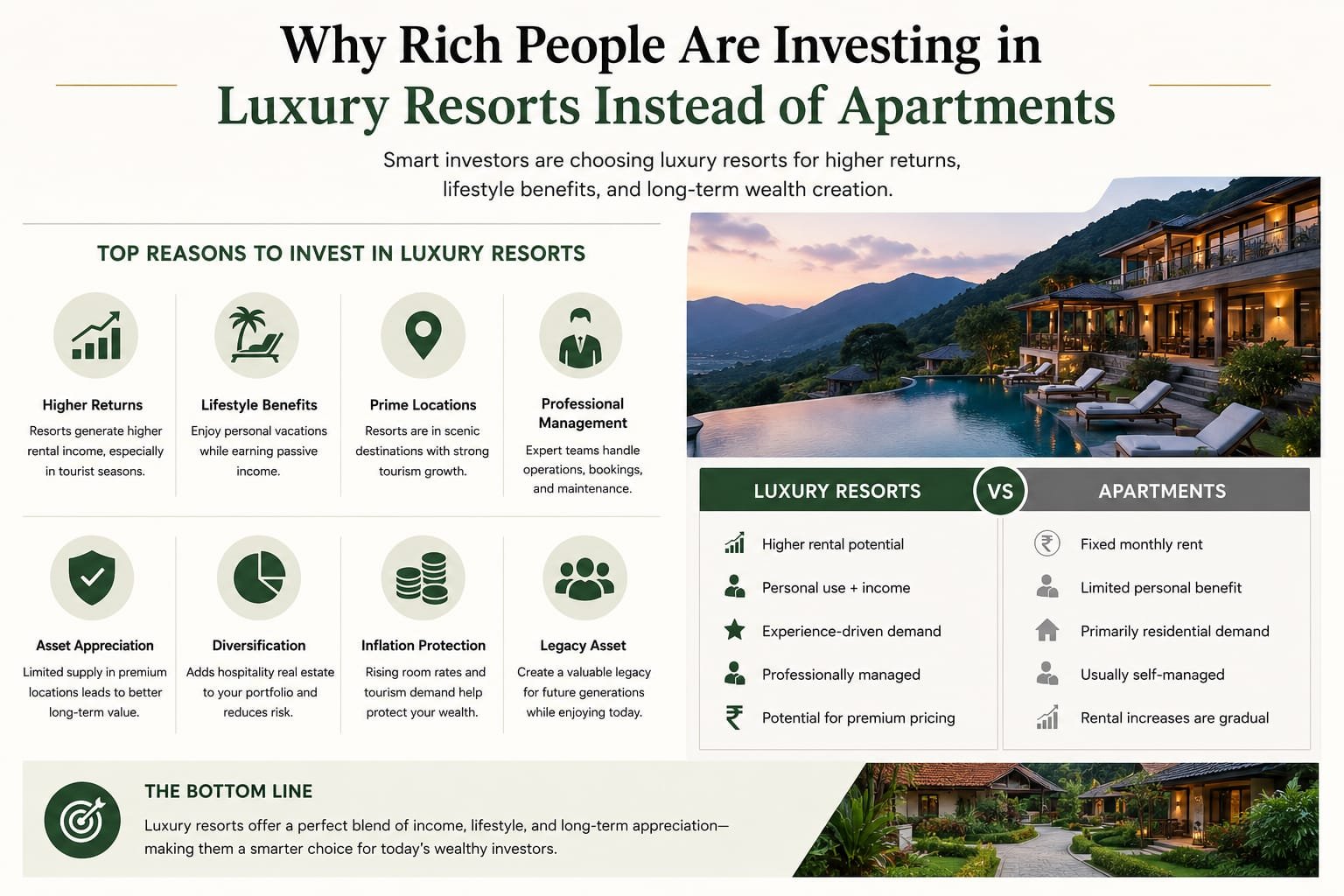
For example, imagine owning a beachside property where you spend holidays with your family and rent it out to tourists throughout the year. The property becomes both a source of cherished memories and a revenue-generating investment.
Why Investors Are Seeking Dual-Purpose Assets
Modern investors increasingly prioritize experiences and flexibility over purely financial gains. Many are asking:
- Can my investments improve my quality of life?
- Can I generate passive income while enjoying what I own?
- Is there a way to combine wealth creation with personal fulfillment?
Dual-purpose assets answer these questions by creating value beyond financial returns.
Benefits include:
Enhanced Quality of Life
You enjoy direct access to something you love, whether it’s a vacation destination, a recreational vehicle, or a business aligned with your interests.
Multiple Sources of Value
The asset may generate:
- Rental income
- Business profits
- Capital appreciation
- Personal utility
Greater Motivation to Maintain the Asset
Owners often take better care of assets they personally use, helping preserve long-term value.
Examples of Assets That Offer Lifestyle and Income
1. Vacation Rental Properties
A vacation home is one of the most common examples of a lifestyle-income asset.
Lifestyle Benefits
- Family vacations whenever you choose
- A personal retreat from daily stress
- Long-term access to a favorite destination
Income Opportunities
- Short-term vacation rentals
- Seasonal leasing
- Property appreciation over time
Popular locations often attract tourists year-round, allowing owners to earn rental income when the property is not in personal use.
Things to Consider
- Maintenance costs
- Property management fees
- Seasonal demand fluctuations
2. Multifamily Real Estate
House hacking has become increasingly popular among young investors.
This strategy involves purchasing a duplex, triplex, or apartment building, living in one unit, and renting out the others.
Lifestyle Benefits
- Homeownership
- Reduced housing expenses
- Stable living environment
Income Opportunities
- Monthly rental income
- Mortgage offset
- Property value appreciation
Many investors use rental income from tenants to cover a significant portion of their housing costs.
3. Farmland and Agricultural Land
Agricultural assets can provide a peaceful lifestyle while generating revenue.
Lifestyle Benefits
- Open space and privacy
- Rural living experience
- Recreational opportunities
Income Opportunities
- Crop production
- Leasing land to farmers
- Livestock operations
- Solar energy leases
As global food demand grows, farmland continues to attract long-term investors seeking both income and stability.
4. Recreational Vehicles and Boats
Many owners offset ownership expenses by renting their assets when they are not in use.
Lifestyle Benefits
- Travel flexibility
- Family adventures
- Leisure and recreation
Income Opportunities
- Peer-to-peer rentals
- Charter services
- Event rentals
Although income can be less predictable, strategic rental management can significantly reduce ownership costs.
5. Lifestyle Businesses
A lifestyle business is built around a passion, skill, or interest while generating profits.
Examples include:
- Boutique hotels
- Cafés
- Fitness studios
- Adventure tourism companies
- Online education businesses
Lifestyle Benefits
- Personal fulfillment
- Flexible work environment
- Opportunity to pursue passions
Income Opportunities
- Business profits
- Asset appreciation
- Brand value growth
For many entrepreneurs, a lifestyle business provides the strongest combination of enjoyment and income.
Key Factors to Evaluate Before Investing
Not every lifestyle asset becomes a successful investment. Before purchasing, consider the following:
Revenue Potential
Analyze:
- Expected income
- Occupancy rates
- Market demand
- Operating expenses
Personal Usage
Excessive personal use can reduce income opportunities. Balance enjoyment with profitability.
Maintenance Requirements
Assets that generate income often require:
- Upkeep
- Repairs
- Administration
- Marketing
Liquidity
Some lifestyle assets can be difficult to sell quickly.
Market Trends
Research local economic conditions, tourism demand, population growth, and long-term appreciation potential.
Common Mistakes to Avoid
Falling in Love with the Asset
Emotional attachment can lead investors to overlook financial realities.
Overestimating Income
Many owners assume maximum occupancy or demand, resulting in unrealistic projections.
Ignoring Operating Costs
Expenses such as maintenance, insurance, taxes, and management fees can significantly impact returns.
Underestimating Time Commitment
Even “passive” investments often require oversight and decision-making.
The Ideal Mindset
When evaluating a dual-purpose asset, ask yourself two important questions:
1. Would I still enjoy owning this asset if it generated little or no income?
2. Would I still consider it a good investment if I rarely used it personally?
If both answers are positive, you may have found an asset that successfully combines lifestyle and income benefits.
Conclusion
A single asset can absolutely provide both lifestyle benefits and income opportunities. Vacation rentals, multifamily properties, farmland, recreational assets, and lifestyle businesses all demonstrate how personal enjoyment and financial returns can coexist.
The most rewarding investments are often those that not only grow your wealth but also enhance the way you live. When selected carefully, a lifestyle and income asset can deliver memorable experiences, financial security, and long-term value—all from a single investment
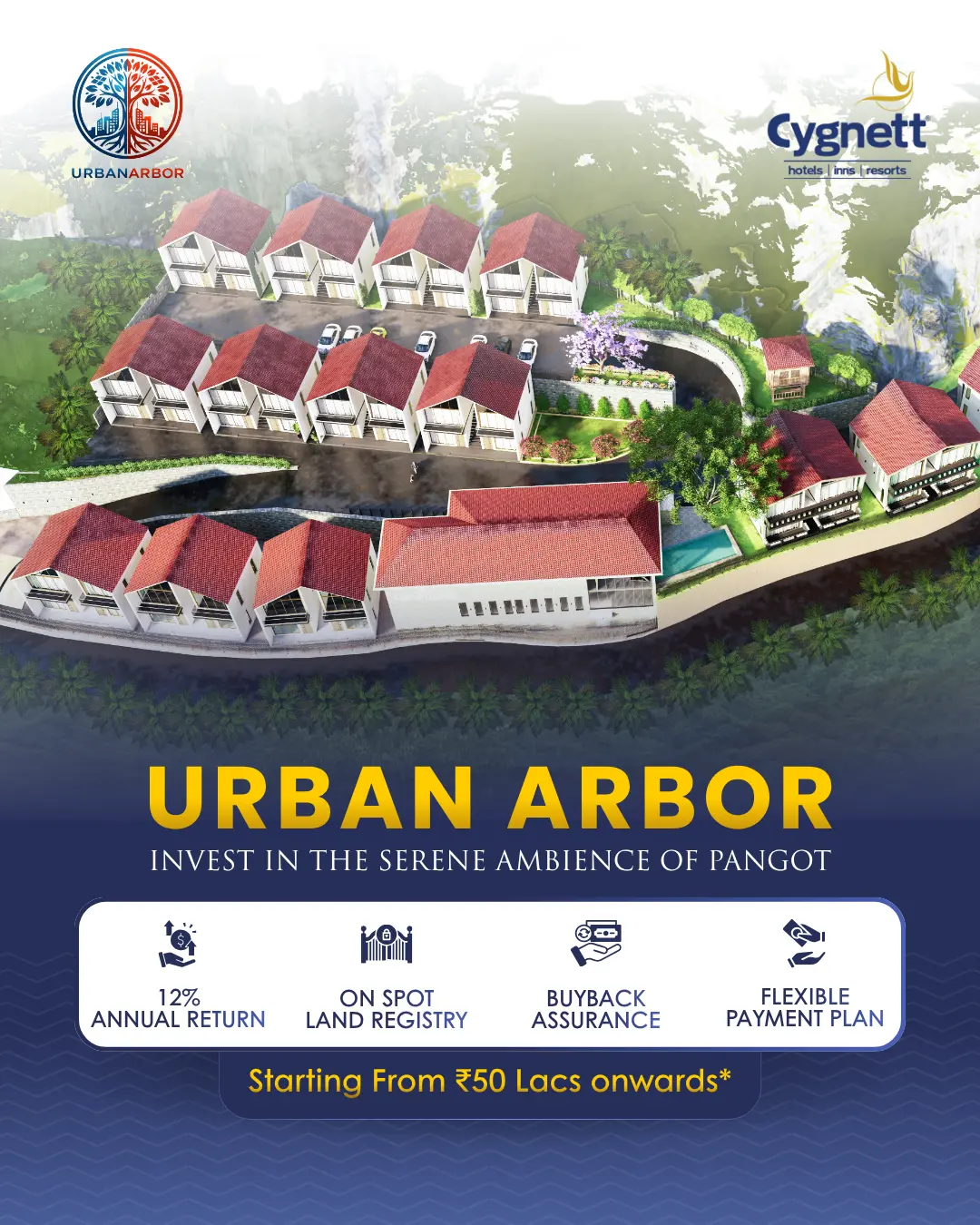
This is where Urban Arbor stands out. As a professional arboricultural consulting and tree management firm, Urban Arbor helps property owners, developers, and investors maximize the value of one of the most overlooked assets in real estate: trees and green infrastructure. Their expertise in tree management, development planning, risk assessment, and sustainability helps create properties that are both enjoyable to live in and financially rewarding.
FAQ
1. Can a single asset really provide both lifestyle benefits and income?
Yes. Certain assets can enhance your lifestyle while generating revenue or increasing in value over time. Examples include rental properties, sustainable developments, farmland, and properties with well-maintained green spaces. The key is finding an asset that delivers personal enjoyment alongside financial returns.
2. What is a lifestyle and income asset?
A lifestyle and income asset is an investment that offers personal value—such as comfort, recreation, or environmental benefits—while also producing income through rent, business revenue, or capital appreciation.