Introduction
Over the last decade, consumer behavior has undergone a significant transformation. People are increasingly choosing memorable experiences over material possessions. From weekend getaways and wellness retreats to adventure tourism and luxury resort stays, experiences have become a top priority for modern consumers.
This shift is also influencing investment decisions. Investors are recognizing that assets tied to experiences often generate stronger demand, higher customer engagement, and better long-term growth potential than traditional investments. As a result, experiential real estate, particularly resort and hospitality investments, is gaining popularity.
The Rise of the Experience Economy
Today’s consumers value moments, memories, and personal fulfillment more than accumulating physical goods. Social media, changing lifestyles, and increased disposable income have accelerated this trend.
Experiences provide:
- Emotional satisfaction
- Lasting memories
- Social connections
- Personal growth opportunities
As demand for experiences grows, businesses and properties that cater to these preferences are seeing increased profitability.
Why Investors Are Following the Trend
1. Growing Tourism Demand
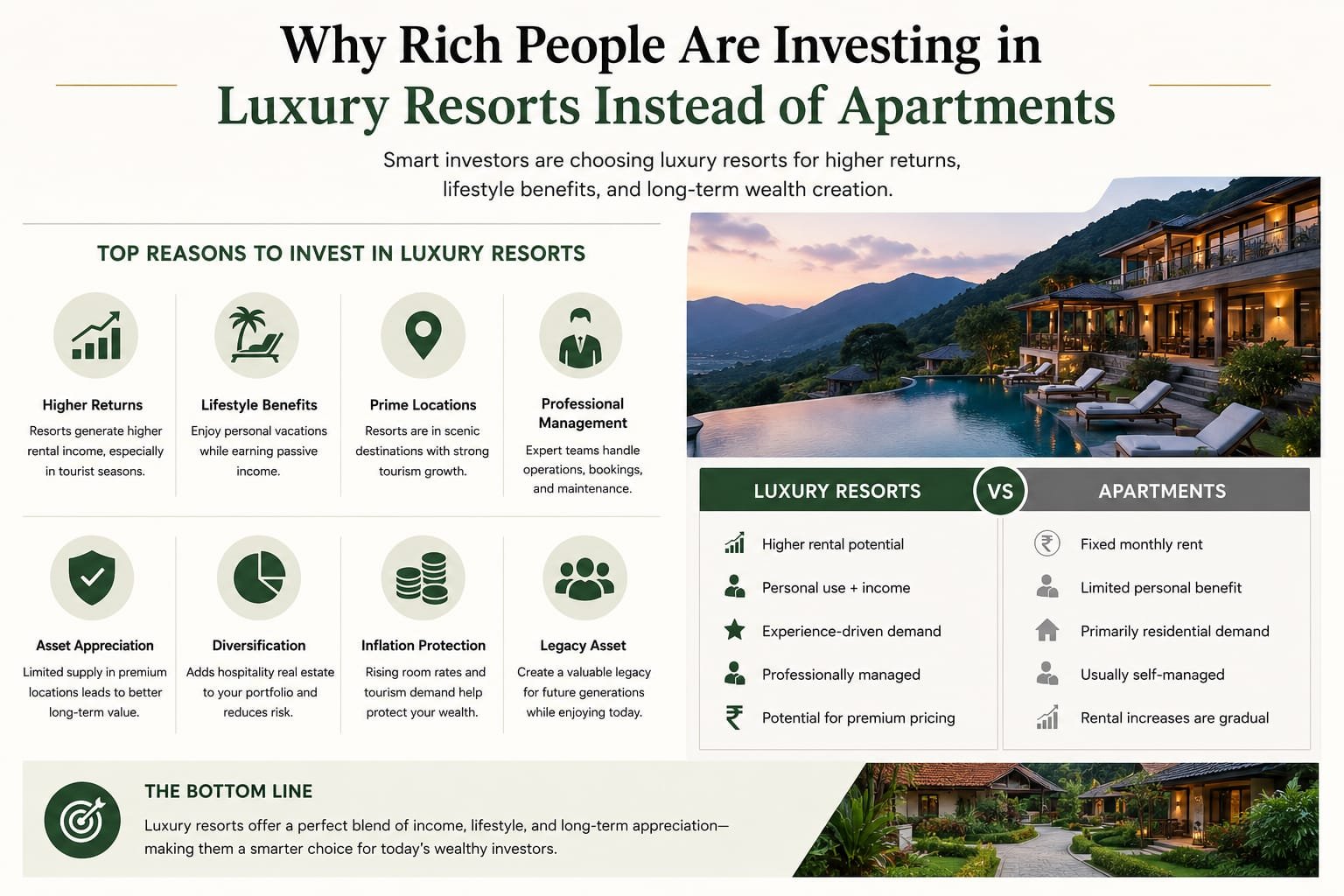
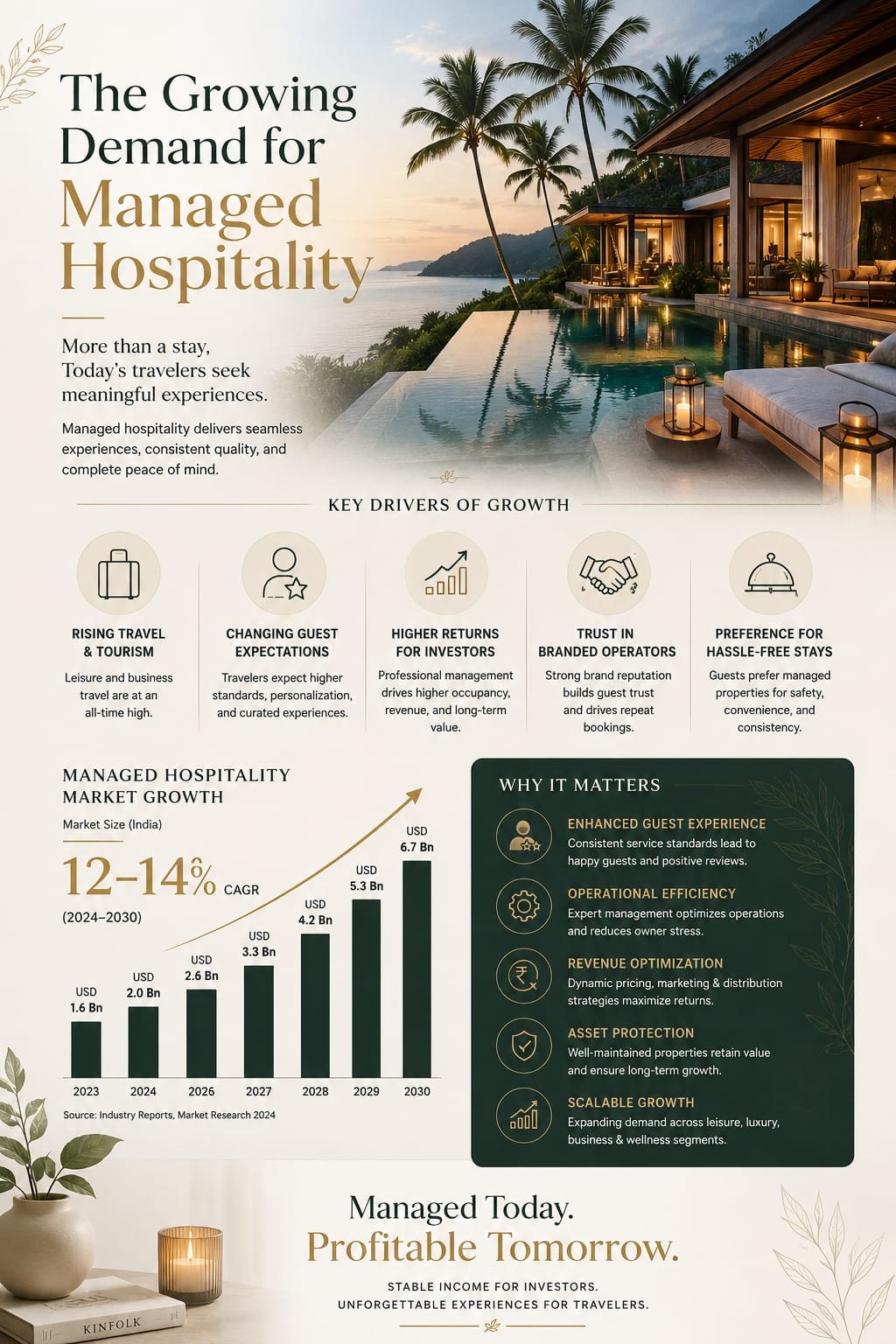
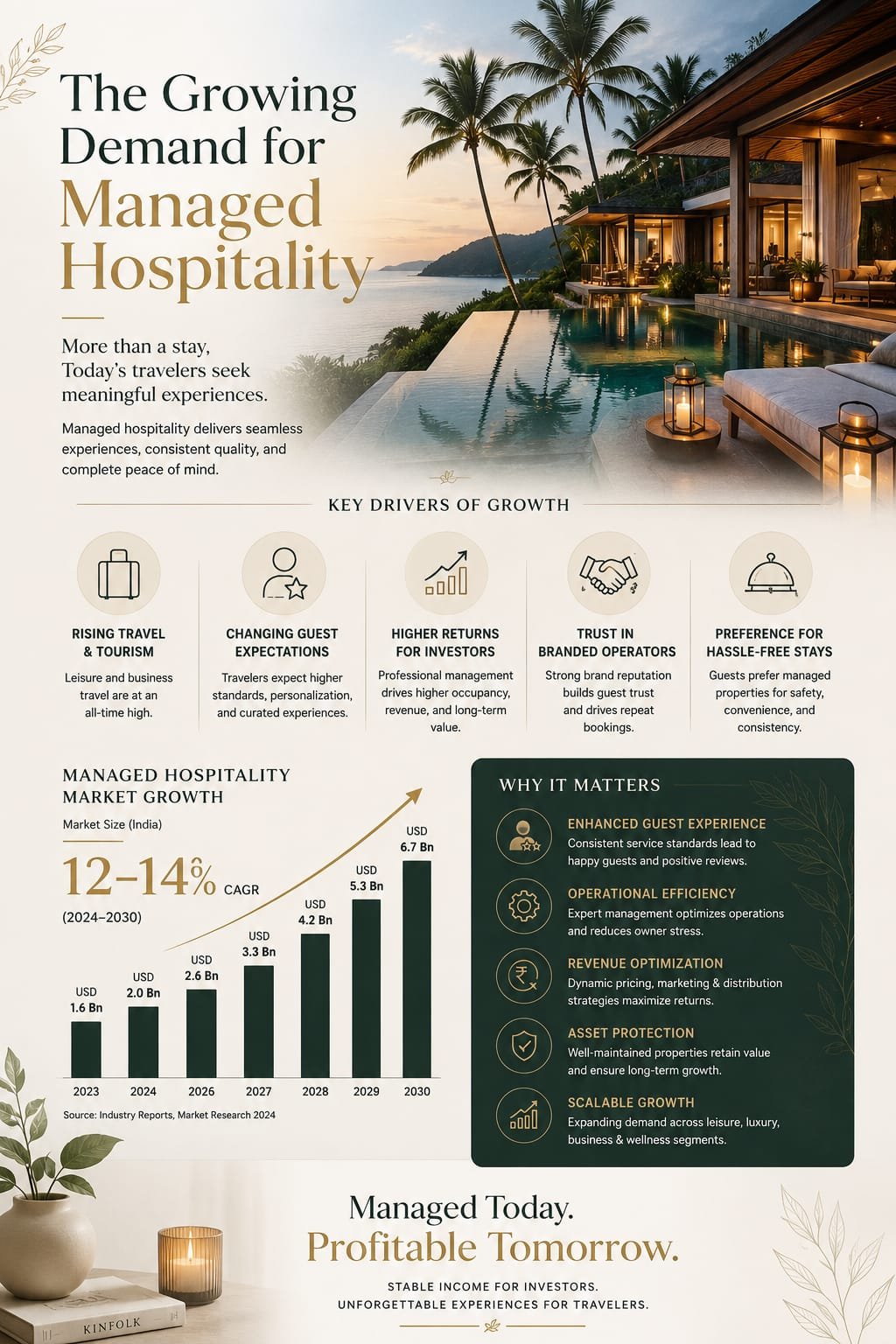
Domestic and international tourism continue to expand, creating strong demand for resorts, vacation homes, wellness retreats, and leisure destinations.
Properties that offer unique experiences often attract repeat visitors and enjoy higher occupancy rates.
2. Better Revenue Opportunities
Experience-based properties can generate income from multiple sources, including:
- Accommodation
- Food and beverages
- Recreational activities
- Event hosting
- Wellness services
This diversified income structure can enhance overall returns for investors.
3. Increased Asset Appreciation
Locations known for tourism and recreational activities often witness rising property values. As infrastructure improves and visitor numbers increase, experiential real estate assets can appreciate significantly over time.
4. Resilience Against Market Changes
Unlike traditional investments that depend solely on rental income, experience-focused properties benefit from evolving consumer preferences and tourism growth, creating additional demand drivers.
The Role of Resort Investments
Resort developments are among the most attractive experiential investment options available today. Investors benefit from both asset appreciation and participation in the growing leisure and hospitality sector.
Modern travelers increasingly seek:
- Nature-focused escapes
- Wellness retreats
- Luxury weekend destinations
- Family-friendly vacation experiences
This demand supports long-term growth for quality resort properties.
How Urban Arbor Supports Modern Investors
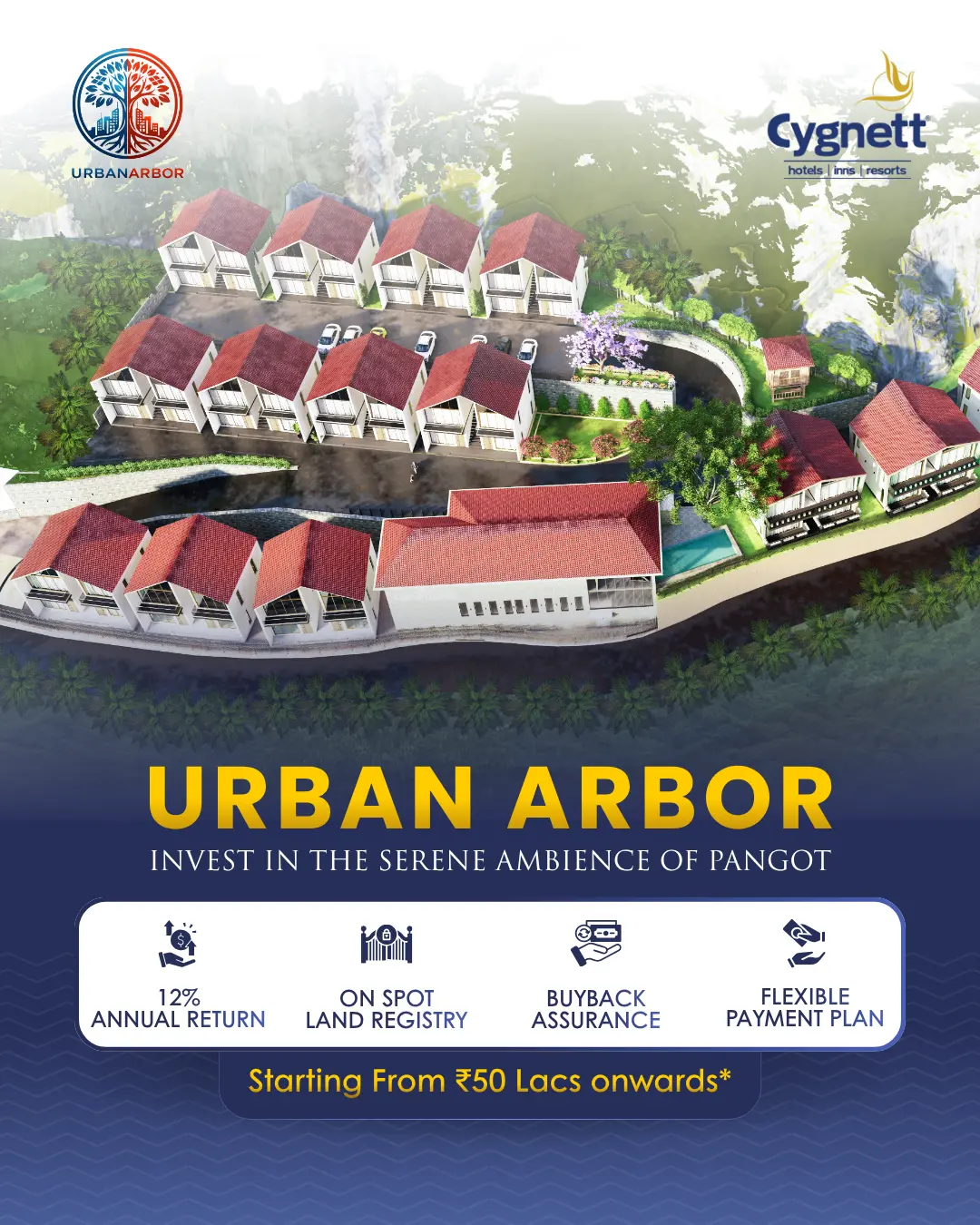
Urban Arbor understands the changing investment landscape and offers opportunities aligned with today’s experience-driven economy. Through carefully selected resort and leisure-focused developments, investors can diversify their portfolios while capitalizing on the growing demand for travel and lifestyle experiences.
Urban Arbor focuses on strategic locations, long-term value creation, and investment opportunities designed to meet the evolving preferences of modern consumers.
Conclusion
The shift from possessions to experiences is reshaping industries worldwide, including real estate investment. As travelers seek memorable experiences and lifestyle-focused destinations, experiential real estate continues to emerge as a powerful investment category.
For investors looking to benefit from this growing trend, resort and hospitality assets offer compelling opportunities for income generation, appreciation, and long-term growth. With Urban Arbor, investors can explore future-ready opportunities that align with the evolving demands of today’s experience-driven economy.
1. What does “experiences over possessions” mean?
It refers to the growing preference for spending money on activities, events, travel, and personal development rather than purchasing physical products.
2. Why are investors interested in experience-based businesses?
Because consumer demand is increasing, customer loyalty tends to be stronger, and many experience-focused businesses offer scalable and recurring revenue models.
3. Which industries benefit most from this trend?
Travel, hospitality, wellness, entertainment, education, and recreation are among the biggest beneficiaries.
4. Are younger generations driving this shift?
Yes. Millennials and Generation Z generally place greater value on experiences, flexibility, and personal fulfillment than previous generations.
5. How does technology support the experience economy?
Technology enables consumers to discover, book, customize, and share experiences more easily, helping businesses reach larger audiences.