Introduction
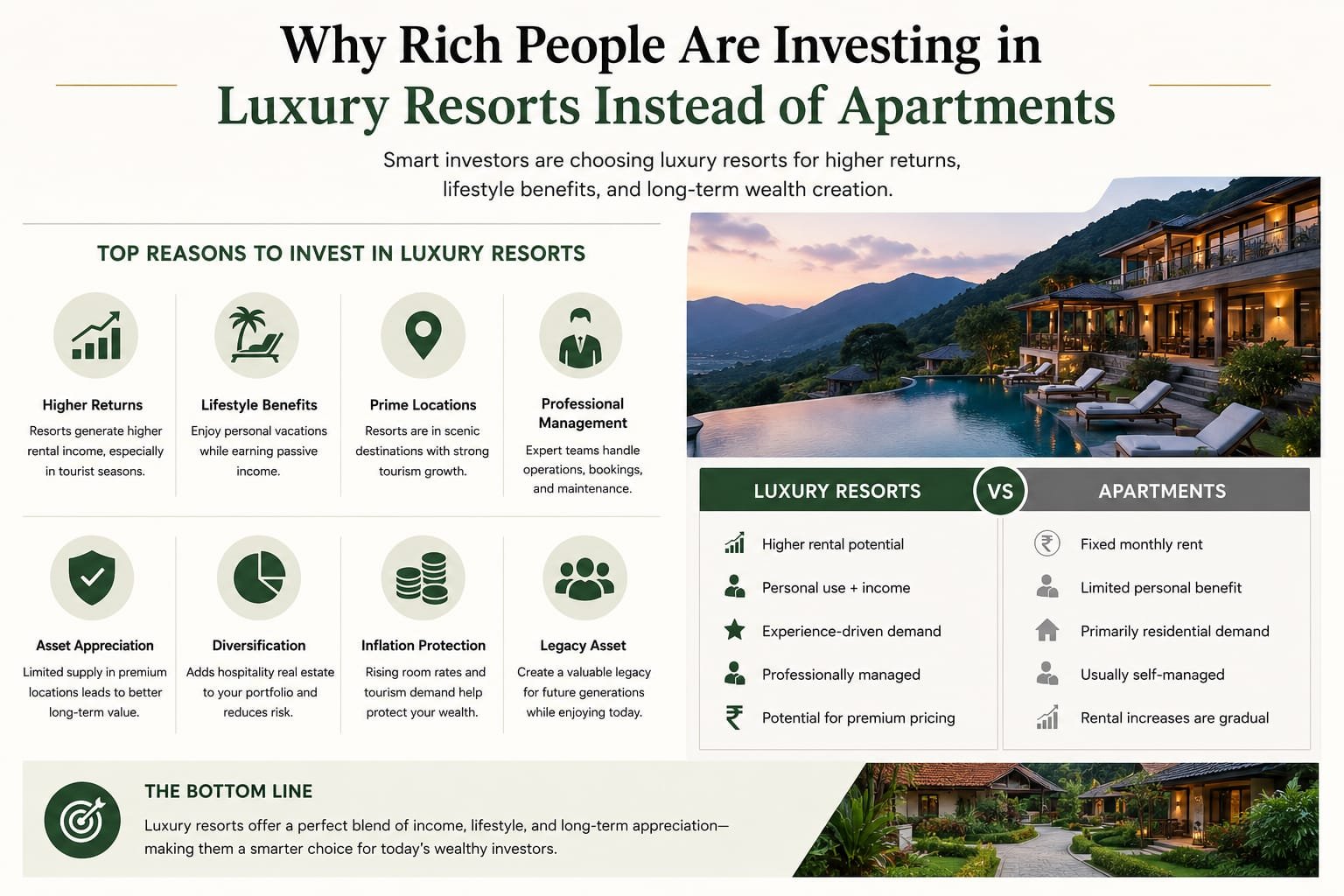
Traditionally, people viewed investments as tools for generating financial returns, while lifestyle purchases were considered expenses. However, changing market trends have blurred this distinction. Today, certain assets—especially in real estate—can provide both a high-quality lifestyle and a steady source of income.
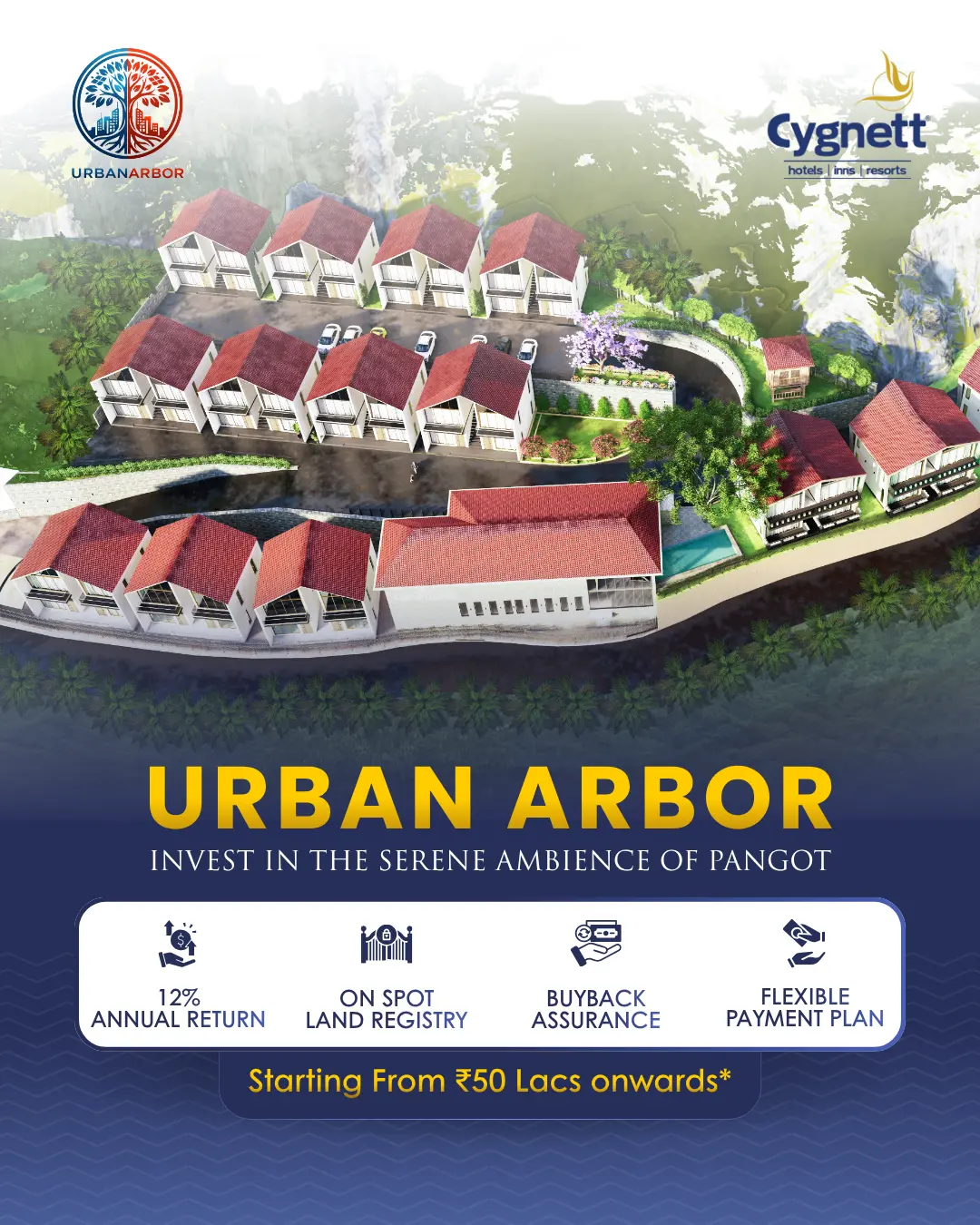
Whether it’s a vacation home, a serviced apartment, or a nature-based property, many modern investments offer the opportunity to enjoy the asset personally while earning rental income when it’s not in use. This combination makes a single asset both emotionally rewarding and financially beneficial.https://urbanarbor.in
What Does a Lifestyle-and-Income Asset Mean?
A lifestyle-and-income asset is an investment that serves two purposes:
- Enhances your quality of life through personal use.
- Generates regular income through rentals or appreciation.
Instead of choosing between enjoying your investment and earning from it, these assets allow you to do both.
Types of Assets That Offer Lifestyle and Income
1. Vacation Homes
Owning a vacation home allows you to spend holidays with family while renting it out during peak travel seasons. Popular tourist destinations often generate attractive rental income.
2. Serviced Apartments
These fully furnished apartments are designed for short- and long-term stays. Owners can enjoy occasional personal use while earning income from business travelers and tourists.
3. Nature-Based Properties
Farmhouses, eco-retreats, and countryside villas have become increasingly popular. They provide a peaceful lifestyle and can also attract visitors seeking weekend getaways.
4. Resort Residences
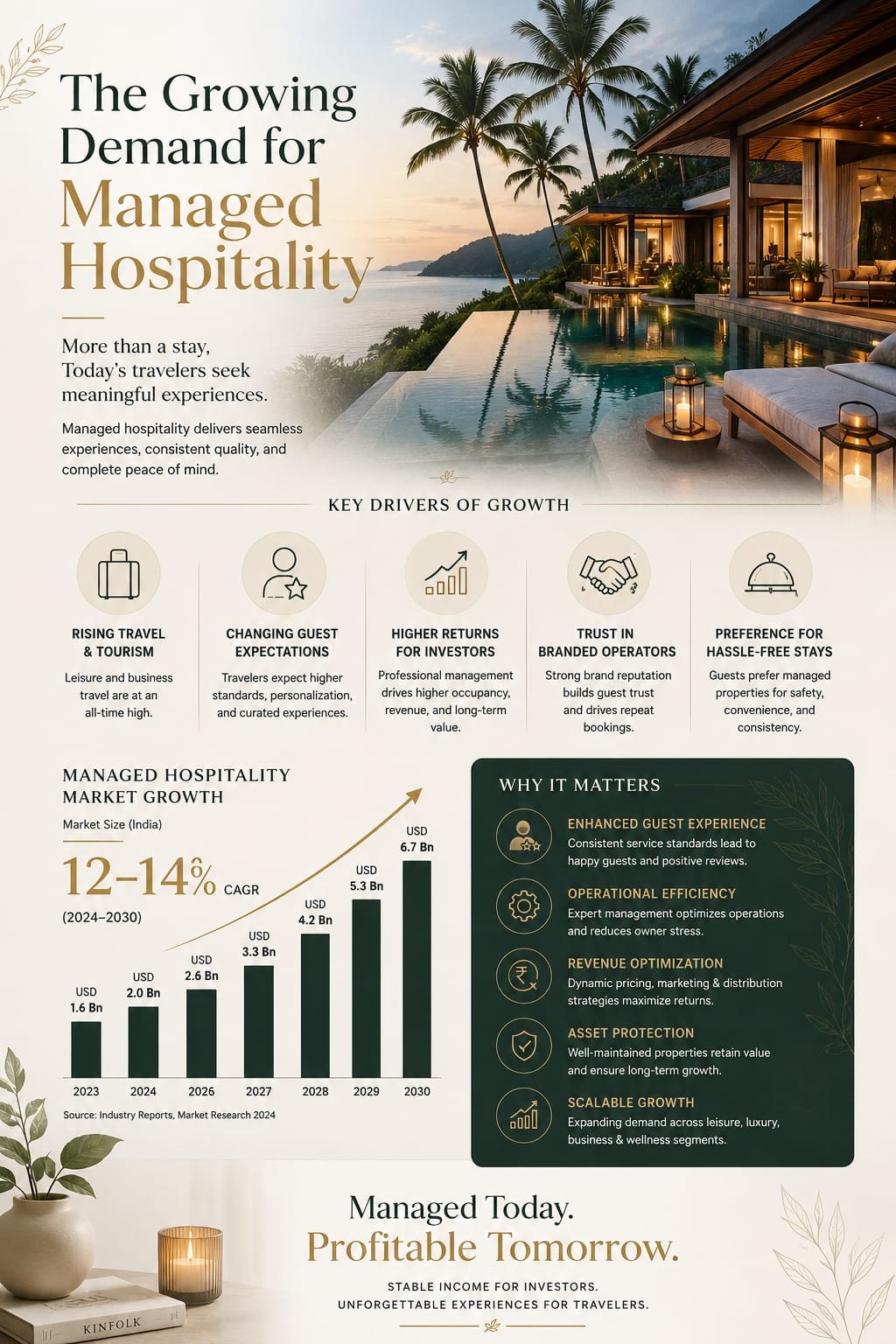
Luxury resort properties often come with professional property management, allowing owners to earn rental income without handling day-to-day operations.
Benefits of Owning One Asset for Both Purposes
Passive Income
Rental earnings can provide a consistent cash flow and help cover maintenance costs.
Lifestyle Flexibility
Enjoy holidays, weekend retreats, or remote work from your own property whenever you choose.
Capital Appreciation
Properties in developing or high-demand locations often increase in value over time, creating long-term wealth.
Diversified Returns
You benefit from both rental income and property value appreciation.
Emotional Satisfaction
Unlike many financial investments, real estate provides personal enjoyment while building your financial future.
Important Factors to Consider
Before investing, evaluate the following:
- Location: Tourist destinations and emerging markets often provide better rental potential.
- Demand: Research occupancy rates and seasonal trends.
- Property Management: Professional management can simplify maintenance and guest services.
- Legal Compliance: Verify ownership documents, approvals, and local rental regulations.
- Maintenance Costs: Calculate ongoing expenses before estimating returns.
Who Should Consider This Type of Investment?
This strategy is ideal for:
- Working professionals seeking passive income.
- Families wanting a second home.
- Investors looking for diversified assets.
- Retirees planning future lifestyle options.
- NRIs interested in earning rental income while maintaining a home in India.
Potential Challenges
Like any investment, lifestyle-and-income assets come with certain risks:
- Seasonal fluctuations in rental demand.
- Maintenance and repair expenses.
- Market downturns affecting property values.
- Vacancy periods reducing income.
Proper planning and choosing the right location can minimize these challenges.
Tips to Maximize Returns
- Invest in high-demand destinations.
- Choose properties with strong tourism or business activity.
- Keep the property well-maintained and professionally managed.
- Offer modern amenities to attract quality tenants.
- Review market trends before purchasing.
Conclusion
A single asset can absolutely offer both lifestyle and income when chosen wisely. The right property allows you to enjoy memorable experiences with family while creating a steady source of passive income and long-term wealth. By selecting a strategic location, understanding market demand, and planning carefully, investors can enjoy the best of both worlds—financial growth and an enhanced lifestyle.https://urbanarbor.in
1. Can one asset really provide both lifestyle benefits and income?
Yes. Certain assets, especially real estate such as vacation homes, serviced apartments, and resort residences, can be used personally while also generating rental income when not in use.
2. What are the best examples of lifestyle-and-income assets?
Some of the most popular options include:
- Vacation homes
- Serviced apartments
- Farmhouses
- Nature-based retreats
- Resort residences
- Holiday villa.https://urbanarbor.in
3. How can I earn income from a lifestyle property?
You can rent out the property on a short-term or long-term basis, lease it through a property management company, or list it on vacation rental platforms to generate regular income.
4. Is investing in a lifestyle property a good long-term decision?
Yes, if the property is located in a high-demand area with strong tourism or rental potential. Over time, it may generate rental income while also appreciating in value.
5. What should I consider before buying a lifestyle-and-income asset?
Before investing, consider:
- Property location
- Rental demand
- Expected return on investment (ROI)
- Maintenance costs
- Legal approvals and documentation
- Property management services
6. Can I use the property whenever I want?
Yes. Most lifestyle properties allow owners to use the property for personal vacations or stays while renting it out during the remaining time.
7. What are the risks of investing in this type of asset?
Some common risks include:
- Seasonal rental demand
- Maintenance expenses
- Vacancy periods
- Market fluctuations
- Changes in local regulations
8. Who should invest in a lifestyle-and-income property?
This type of investment is suitable for:
- Working professionals
- Families seeking a second home
- Investors looking for passive income
- Retirees
- NRIs investing in Indian real estate