How India’s New-Age Travelers Are Redefining Hospitality
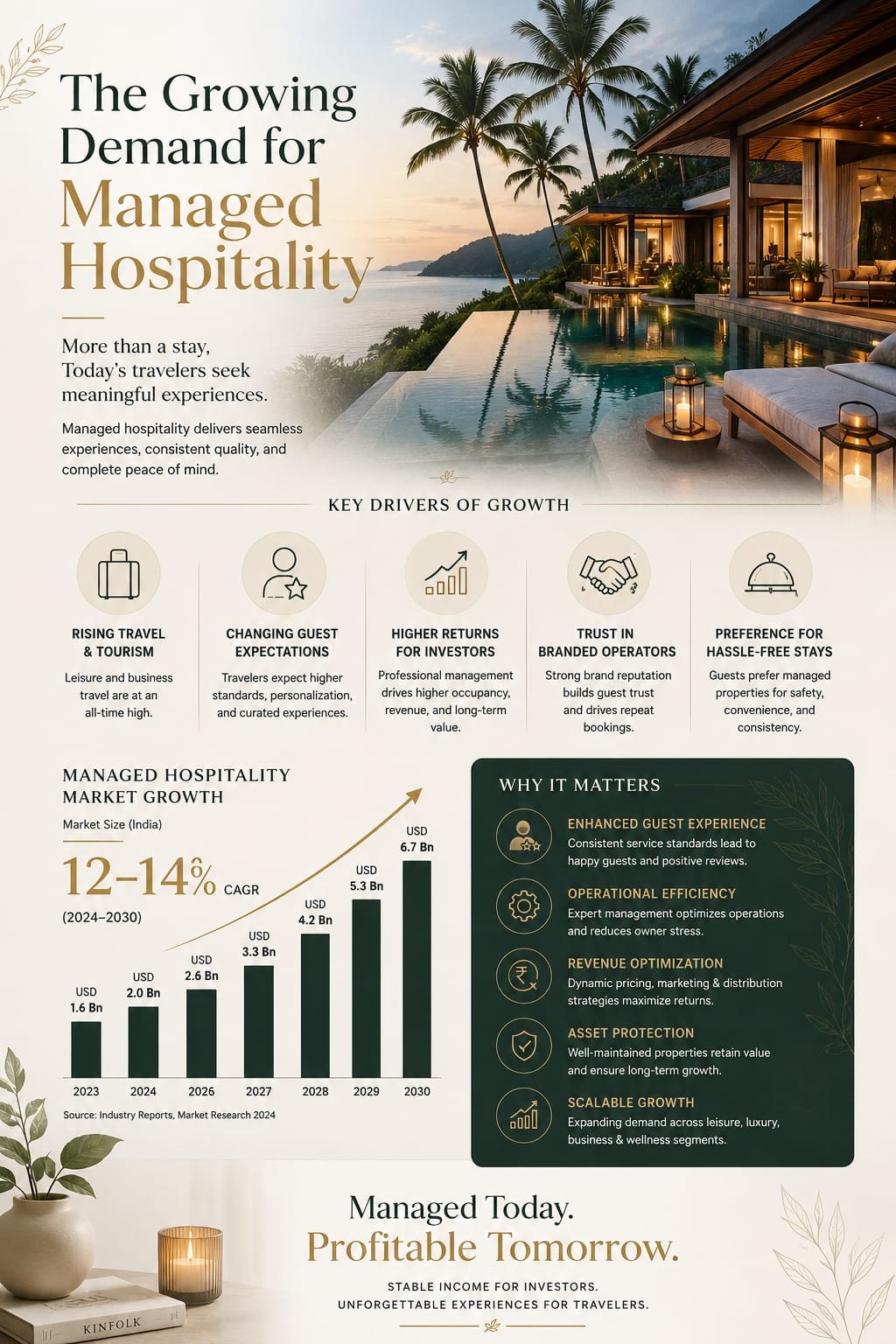
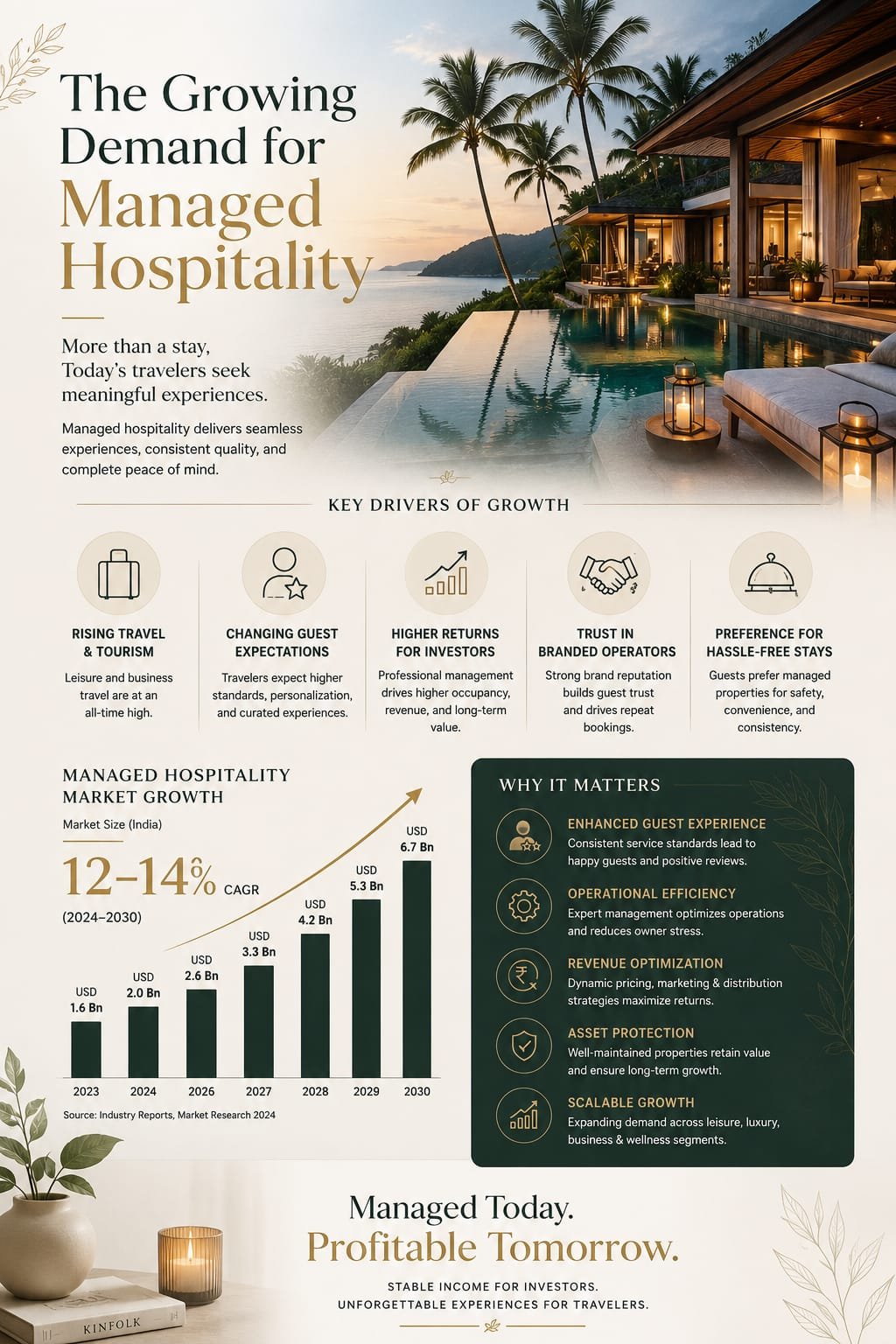
India’s hospitality industry is undergoing a remarkable transformation. Gone are the days when travelers were satisfied with just a hotel room and basic amenities. Today’s guests seek convenience, personalization, comfort, and memorable experiences. This shift has fueled the rapid growth of managed hospitality experiences—a segment that is reshaping how people travel, stay, and invest in hospitality assets across the country.
From professionally managed villas and serviced apartments to branded vacation homes and experiential stays, managed hospitality has emerged as one of the most promising sectors in India’s tourism and real estate ecosystem.
Understanding Managed Hospitality Experiences
Managed hospitality experiences refer to accommodations that combine the comfort of private properties with the service standards of hotels. These properties are professionally operated, maintained, and marketed by hospitality management companies, ensuring guests receive a consistent and high-quality experience.
Examples include:
- Luxury villas with concierge services
- Serviced apartments for business travelers
- Branded holiday homes
- Boutique resorts
- Co-living and extended-stay accommodations
- Experiential countryside and wellness retreats
Unlike traditional hotels, these properties offer more space, privacy, and personalized services while maintaining professional hospitality standards.
Why Demand Is Rising in India
1. Changing Traveler Preferences
Modern travelers value experiences over possessions. Millennials and Gen Z travelers, in particular, prioritize unique stays, local culture, wellness experiences, and personalized services.
Whether it’s a mountain villa in Himachal Pradesh, a beachside retreat in Goa, or a heritage property in Rajasthan, guests increasingly seek accommodations that offer something beyond a standard hotel stay.
Managed hospitality providers are meeting this demand by curating immersive experiences that blend comfort, authenticity, and convenience.
2. Growth of Domestic Tourism
India’s domestic tourism market has witnessed unprecedented growth over the past few years. Improved infrastructure, rising disposable incomes, and flexible work arrangements have encouraged people to travel more frequently.
Weekend getaways, staycations, and work-from-anywhere lifestyles have become common among urban professionals. This trend has significantly boosted demand for managed hospitality properties in leisure destinations.
Popular destinations include:
- Goa
- Jaipur
- Udaipur
- Rishikesh
- Manali
- Coorg
- Alibaug
- Lonavala
These locations are seeing increased occupancy rates and growing investor interest.
3. The Rise of Remote Work and Bleisure Travel
The pandemic accelerated the adoption of remote work, giving rise to “bleisure” travel—a blend of business and leisure.
Professionals now extend work trips into vacations or choose long-term stays in scenic destinations while working remotely. Managed hospitality properties are ideally positioned to cater to this trend by offering:
- High-speed internet
- Dedicated workspaces
- Housekeeping services
- Flexible booking options
- Community experiences
As hybrid work becomes the norm, demand for such accommodations is expected to continue growing.
4. Technology-Driven Guest Experiences
Technology has transformed guest expectations. Travelers today expect seamless booking, digital check-ins, instant support, and personalized recommendations.
Managed hospitality operators leverage technology to provide:
- Contactless check-ins
- Mobile-based concierge services
- Smart room controls
- AI-powered customer support
- Dynamic pricing and availability management
This enhances guest satisfaction while improving operational efficiency.
5. Growing Interest in Wellness and Experiential Travel
Travel is no longer just about sightseeing. Wellness tourism, adventure travel, and cultural immersion have become major drivers of hospitality demand.
Guests increasingly seek:
- Yoga retreats
- Wellness resorts
- Nature-based escapes
- Farm stays
- Heritage experiences
- Eco-friendly accommodations
Managed hospitality brands are creating specialized offerings that cater to these evolving preferences, resulting in higher guest engagement and repeat bookings.
Why Investors Are Paying Attention
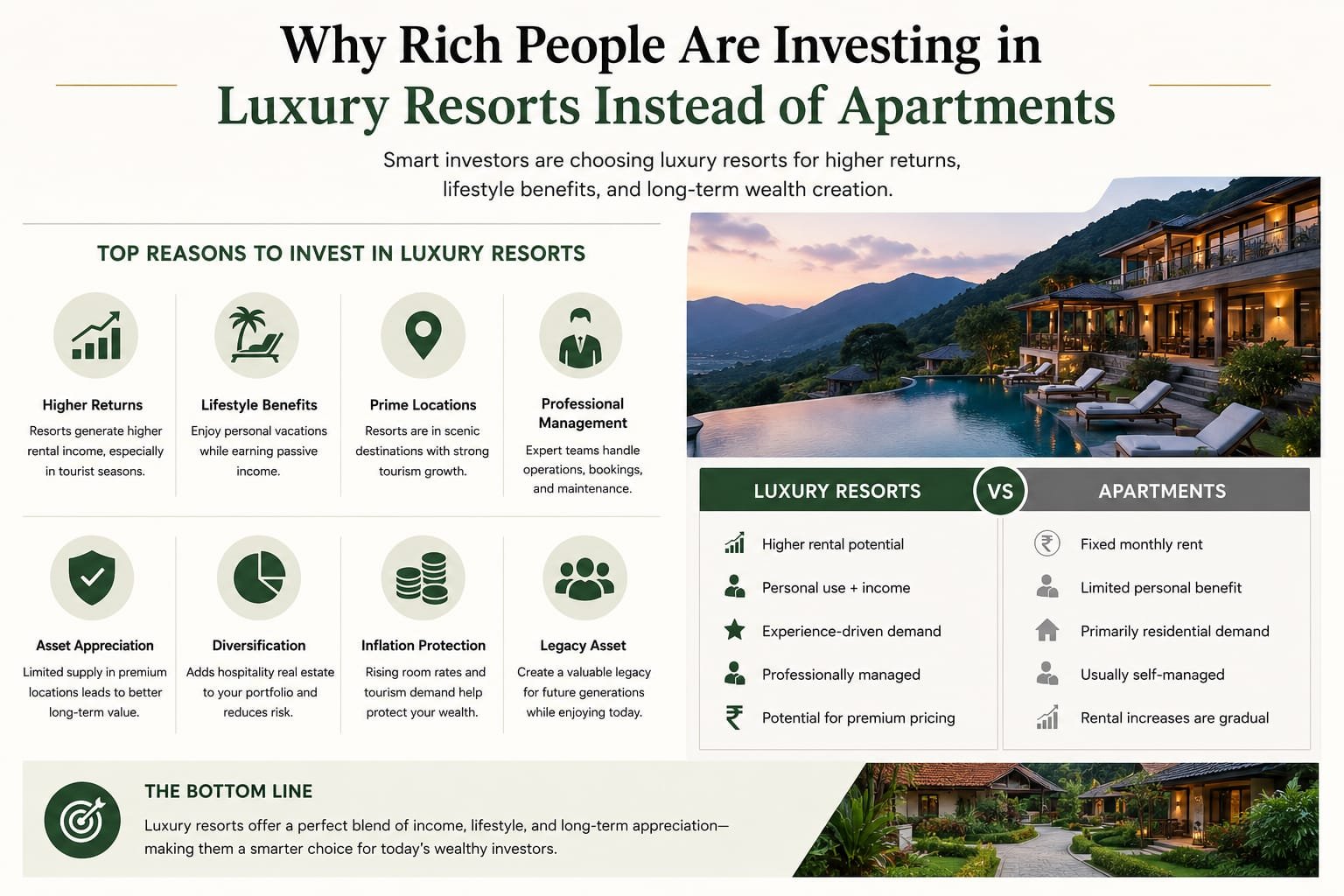
The growing popularity of managed hospitality experiences is not only benefiting travelers but also attracting real estate investors.
Higher Revenue Potential
Professionally managed hospitality assets often generate better returns than traditional rental properties due to:
- Dynamic pricing strategies
- Higher occupancy rates
- Premium guest experiences
- Multiple revenue streams
Professional Property Management
Investors can own hospitality assets without dealing with daily operations. Management companies handle:
- Marketing
- Bookings
- Guest services
- Maintenance
- Revenue optimization
This creates a passive income opportunity while preserving asset value.
Asset Appreciation
Many hospitality-focused destinations are witnessing infrastructure development and tourism growth, driving long-term property appreciation alongside operational income.
The Role of Hospitality Management Companies
The success of managed hospitality experiences largely depends on professional operators who ensure consistency, quality, and guest satisfaction.
These companies help:
- Standardize service quality
- Improve operational efficiency
- Enhance guest experiences
- Maximize revenue generation
- Build trusted hospitality brands
As travelers increasingly prefer reliability and convenience, professionally managed properties gain a significant competitive advantage over unorganized accommodations.
Challenges and Opportunities Ahead
While the sector is growing rapidly, it also faces challenges such as:
- Regulatory compliance
- Seasonal demand fluctuations
- Maintaining service consistency
- Rising operational costs
However, these challenges are outweighed by immense opportunities created by:
- Expanding domestic tourism
- Increased international arrivals
- Digital adoption
- Infrastructure development
- Growing investor participation
The convergence of hospitality, technology, and real estate is creating a strong foundation for long-term industry growth.
The Future of Managed Hospitality in India
India’s hospitality landscape is evolving from a purely accommodation-focused model to an experience-driven ecosystem. Travelers now demand flexibility, personalization, and convenience, while investors seek scalable and professionally managed income-generating assets.
Managed hospitality experiences sit at the intersection of these needs, making them one of the fastest-growing segments in the industry.
As tourism continues to expand and consumer expectations evolve, managed hospitality is expected to play a pivotal role in shaping the future of travel and hospitality in India. For travelers, it promises richer experiences. For investors, it opens new avenues for sustainable returns. And for the industry as a whole, it represents the next chapter of hospitality innovation and growth.
The Growing Demand for Managed Hospitality Experiences in India
How India’s New-Age Travelers Are Redefining Hospitality
India’s hospitality industry is undergoing a remarkable transformation. Gone are the days when travelers were satisfied with just a hotel room and basic amenities. Today’s guests seek convenience, personalization, comfort, and memorable experiences. This shift has fueled the rapid growth of managed hospitality experiences—a segment that is reshaping how people travel, stay, and invest in hospitality assets across the country.
From professionally managed villas and serviced apartments to branded vacation homes and experiential stays, managed hospitality has emerged as one of the most promising sectors in India’s tourism and real estate ecosystem.
Understanding Managed Hospitality Experiences
Managed hospitality experiences refer to accommodations that combine the comfort of private properties with the service standards of hotels. These properties are professionally operated, maintained, and marketed by hospitality management companies, ensuring guests receive a consistent and high-quality experience.
Examples include:
- Luxury villas with concierge services
- Serviced apartments for business travelers
- Branded holiday homes
- Boutique resorts
- Co-living and extended-stay accommodations
- Experiential countryside and wellness retreats
Unlike traditional hotels, these properties offer more space, privacy, and personalized services while maintaining professional hospitality standards.
Why Demand Is Rising in India
1. Changing Traveler Preferences
Modern travelers value experiences over possessions. Millennials and Gen Z travelers, in particular, prioritize unique stays, local culture, wellness experiences, and personalized services.
Whether it’s a mountain villa in Himachal Pradesh, a beachside retreat in Goa, or a heritage property in Rajasthan, guests increasingly seek accommodations that offer something beyond a standard hotel stay.
Managed hospitality providers are meeting this demand by curating immersive experiences that blend comfort, authenticity, and convenience.
2. Growth of Domestic Tourism
India’s domestic tourism market has witnessed unprecedented growth over the past few years. Improved infrastructure, rising disposable incomes, and flexible work arrangements have encouraged people to travel more frequently.
Weekend getaways, staycations, and work-from-anywhere lifestyles have become common among urban professionals. This trend has significantly boosted demand for managed hospitality properties in leisure destinations.
Popular destinations include:
- Goa
- Jaipur
- Udaipur
- Rishikesh
- Manali
- Coorg
- Alibaug
- Lonavala
These locations are seeing increased occupancy rates and growing investor interest.
3. The Rise of Remote Work and Bleisure Travel
The pandemic accelerated the adoption of remote work, giving rise to “bleisure” travel—a blend of business and leisure.
Professionals now extend work trips into vacations or choose long-term stays in scenic destinations while working remotely. Managed hospitality properties are ideally positioned to cater to this trend by offering:
- High-speed internet
- Dedicated workspaces
- Housekeeping services
- Flexible booking options
- Community experiences
As hybrid work becomes the norm, demand for such accommodations is expected to continue growing.
4. Technology-Driven Guest Experiences
Technology has transformed guest expectations. Travelers today expect seamless booking, digital check-ins, instant support, and personalized recommendations.
Managed hospitality operators leverage technology to provide:
- Contactless check-ins
- Mobile-based concierge services
- Smart room controls
- AI-powered customer support
- Dynamic pricing and availability management
This enhances guest satisfaction while improving operational efficiency.
5. Growing Interest in Wellness and Experiential Travel
Travel is no longer just about sightseeing. Wellness tourism, adventure travel, and cultural immersion have become major drivers of hospitality demand.
Guests increasingly seek:
- Yoga retreats
- Wellness resorts
- Nature-based escapes
- Farm stays
- Heritage experiences
- Eco-friendly accommodations
Managed hospitality brands are creating specialized offerings that cater to these evolving preferences, resulting in higher guest engagement and repeat bookings.
Why Investors Are Paying Attention
The growing popularity of managed hospitality experiences is not only benefiting travelers but also attracting real estate investors.
Higher Revenue Potential
Professionally managed hospitality assets often generate better returns than traditional rental properties due to:
- Dynamic pricing strategies
- Higher occupancy rates
- Premium guest experiences
- Multiple revenue streams
Professional Property Management
Investors can own hospitality assets without dealing with daily operations. Management companies handle:
- Marketing
- Bookings
- Guest services
- Maintenance
- Revenue optimization
This creates a passive income opportunity while preserving asset value.
Asset Appreciation
Many hospitality-focused destinations are witnessing infrastructure development and tourism growth, driving long-term property appreciation alongside operational income.
The Role of Hospitality Management Companies
The success of managed hospitality experiences largely depends on professional operators who ensure consistency, quality, and guest satisfaction.
These companies help:
- Standardize service quality
- Improve operational efficiency
- Enhance guest experiences
- Maximize revenue generation
- Build trusted hospitality brands
As travelers increasingly prefer reliability and convenience, professionally managed properties gain a significant competitive advantage over unorganized accommodations.
Challenges and Opportunities Ahead
While the sector is growing rapidly, it also faces challenges such as:
- Regulatory compliance
- Seasonal demand fluctuations
- Maintaining service consistency
- Rising operational costs
However, these challenges are outweighed by immense opportunities created by:
- Expanding domestic tourism
- Increased international arrivals
- Digital adoption
- Infrastructure development
- Growing investor participation
The convergence of hospitality, technology, and real estate is creating a strong foundation for long-term industry growth.
The Future of Managed Hospitality in India
India’s hospitality landscape is evolving from a purely accommodation-focused model to an experience-driven ecosystem. Travelers now demand flexibility, personalization, and convenience, while investors seek scalable and professionally managed income-generating assets.
Managed hospitality experiences sit at the intersection of these needs, making them one of the fastest-growing segments in the industry.
As tourism continues to expand and consumer expectations evolve, managed hospitality is expected to play a pivotal role in shaping the future of travel and hospitality in India. For travelers, it promises richer experiences. For investors, it opens new avenues for sustainable returns. And for the industry as a whole, it represents the next chapter of hospitality innovation and growth.
In a market where experiences have become the new currency, managed hospitality is no longer a trend—it is the future of hospitality in India.The Growing Demand for Managed Hospitality Experiences in India
How India’s New-Age Travelers Are Redefining Hospitality
India’s hospitality industry is undergoing a remarkable transformation. Gone are the days when travelers were satisfied with just a hotel room and basic amenities. Today’s guests seek convenience, personalization, comfort, and memorable experiences. This shift has fueled the rapid growth of managed hospitality experiences—a segment that is reshaping how people travel, stay, and invest in hospitality assets across the country.
From professionally managed villas and serviced apartments to branded vacation homes and experiential stays, managed hospitality has emerged as one of the most promising sectors in India’s tourism and real estate ecosystem.
Understanding Managed Hospitality Experiences
Managed hospitality experiences refer to accommodations that combine the comfort of private properties with the service standards of hotels. These properties are professionally operated, maintained, and marketed by hospitality management companies, ensuring guests receive a consistent and high-quality experience.
Examples include:
- Luxury villas with concierge services
- Serviced apartments for business travelers
- Branded holiday homes
- Boutique resorts
- Co-living and extended-stay accommodations
- Experiential countryside and wellness retreats
Unlike traditional hotels, these properties offer more space, privacy, and personalized services while maintaining professional hospitality standards.
Why Demand Is Rising in India
1. Changing Traveler Preferences
Modern travelers value experiences over possessions. Millennials and Gen Z travelers, in particular, prioritize unique stays, local culture, wellness experiences, and personalized services.
Whether it’s a mountain villa in Himachal Pradesh, a beachside retreat in Goa, or a heritage property in Rajasthan, guests increasingly seek accommodations that offer something beyond a standard hotel stay.
Managed hospitality providers are meeting this demand by curating immersive experiences that blend comfort, authenticity, and convenience.
2. Growth of Domestic Tourism
India’s domestic tourism market has witnessed unprecedented growth over the past few years. Improved infrastructure, rising disposable incomes, and flexible work arrangements have encouraged people to travel more frequently.
Weekend getaways, staycations, and work-from-anywhere lifestyles have become common among urban professionals. This trend has significantly boosted demand for managed hospitality properties in leisure destinations.
Popular destinations include:
- Goa
- Jaipur
- Udaipur
- Rishikesh
- Manali
- Coorg
- Alibaug
- Lonavala
These locations are seeing increased occupancy rates and growing investor interest.
3. The Rise of Remote Work and Bleisure Travel
The pandemic accelerated the adoption of remote work, giving rise to “bleisure” travel—a blend of business and leisure.
Professionals now extend work trips into vacations or choose long-term stays in scenic destinations while working remotely. Managed hospitality properties are ideally positioned to cater to this trend by offering:
- High-speed internet
- Dedicated workspaces
- Housekeeping services
- Flexible booking options
- Community experiences
As hybrid work becomes the norm, demand for such accommodations is expected to continue growing.
4. Technology-Driven Guest Experiences
Technology has transformed guest expectations. Travelers today expect seamless booking, digital check-ins, instant support, and personalized recommendations.
Managed hospitality operators leverage technology to provide:
- Contactless check-ins
- Mobile-based concierge services
- Smart room controls
- AI-powered customer support
- Dynamic pricing and availability management
This enhances guest satisfaction while improving operational efficiency.
5. Growing Interest in Wellness and Experiential Travel
Travel is no longer just about sightseeing. Wellness tourism, adventure travel, and cultural immersion have become major drivers of hospitality demand.
Guests increasingly seek:
- Yoga retreats
- Wellness resorts
- Nature-based escapes
- Farm stays
- Heritage experiences
- Eco-friendly accommodations
Managed hospitality brands are creating specialized offerings that cater to these evolving preferences, resulting in higher guest engagement and repeat bookings.
Why Investors Are Paying Attention
The growing popularity of managed hospitality experiences is not only benefiting travelers but also attracting real estate investors.
Higher Revenue Potential
Professionally managed hospitality assets often generate better returns than traditional rental properties due to:
- Dynamic pricing strategies
- Higher occupancy rates
- Premium guest experiences
- Multiple revenue streams
Professional Property Management
Investors can own hospitality assets without dealing with daily operations. Management companies handle:
- Marketing
- Bookings
- Guest services
- Maintenance
- Revenue optimization
This creates a passive income opportunity while preserving asset value.
Asset Appreciation
Many hospitality-focused destinations are witnessing infrastructure development and tourism growth, driving long-term property appreciation alongside operational income.
The Role of Hospitality Management Companies
The success of managed hospitality experiences largely depends on professional operators who ensure consistency, quality, and guest satisfaction.
These companies help:
- Standardize service quality
- Improve operational efficiency
- Enhance guest experiences
- Maximize revenue generation
- Build trusted hospitality brands
As travelers increasingly prefer reliability and convenience, professionally managed properties gain a significant competitive advantage over unorganized accommodations.
Challenges and Opportunities Ahead
While the sector is growing rapidly, it also faces challenges such as:
- Regulatory compliance
- Seasonal demand fluctuations
- Maintaining service consistency
- Rising operational costs
However, these challenges are outweighed by immense opportunities created by:
- Expanding domestic tourism
- Increased international arrivals
- Digital adoption
- Infrastructure development
- Growing investor participation
The convergence of hospitality, technology, and real estate is creating a strong foundation for long-term industry growth.
The Future of Managed Hospitality in India
India’s hospitality landscape is evolving from a purely accommodation-focused model to an experience-driven ecosystem. Travelers now demand flexibility, personalization, and convenience, while investors seek scalable and professionally managed income-generating assets.
Managed hospitality experiences sit at the intersection of these needs, making them one of the fastest-growing segments in the industry.
As tourism continues to expand and consumer expectations evolve, managed hospitality is expected to play a pivotal role in shaping the future of travel and hospitality in India. For travelers, it promises richer experiences. For investors, it opens new avenues for sustainable returns. And for the industry as a whole, it represents the next chapter of hospitality innovation and growth.
In a market where experiences have become the new currency, managed hospitality is no longer a trend—it is the future of hospitality in India.The Growing Demand for Managed Hospitality Experiences in India
How India’s New-Age Travelers Are Redefining Hospitality
India’s hospitality industry is undergoing a remarkable transformation. Gone are the days when travelers were satisfied with just a hotel room and basic amenities. Today’s guests seek convenience, personalization, comfort, and memorable experiences. This shift has fueled the rapid growth of managed hospitality experiences—a segment that is reshaping how people travel, stay, and invest in hospitality assets across the country.
From professionally managed villas and serviced apartments to branded vacation homes and experiential stays, managed hospitality has emerged as one of the most promising sectors in India’s tourism and real estate ecosystem.
Understanding Managed Hospitality Experiences
Managed hospitality experiences refer to accommodations that combine the comfort of private properties with the service standards of hotels. These properties are professionally operated, maintained, and marketed by hospitality management companies, ensuring guests receive a consistent and high-quality experience.
Examples include:
- Luxury villas with concierge services
- Serviced apartments for business travelers
- Branded holiday homes
- Boutique resorts
- Co-living and extended-stay accommodations
- Experiential countryside and wellness retreats
Unlike traditional hotels, these properties offer more space, privacy, and personalized services while maintaining professional hospitality standards.
Why Demand Is Rising in India
1. Changing Traveler Preferences
Modern travelers value experiences over possessions. Millennials and Gen Z travelers, in particular, prioritize unique stays, local culture, wellness experiences, and personalized services.
Whether it’s a mountain villa in Himachal Pradesh, a beachside retreat in Goa, or a heritage property in Rajasthan, guests increasingly seek accommodations that offer something beyond a standard hotel stay.
Managed hospitality providers are meeting this demand by curating immersive experiences that blend comfort, authenticity, and convenience.
2. Growth of Domestic Tourism
India’s domestic tourism market has witnessed unprecedented growth over the past few years. Improved infrastructure, rising disposable incomes, and flexible work arrangements have encouraged people to travel more frequently.
Weekend getaways, staycations, and work-from-anywhere lifestyles have become common among urban professionals. This trend has significantly boosted demand for managed hospitality properties in leisure destinations.
Popular destinations include:
- Goa
- Jaipur
- Udaipur
- Rishikesh
- Manali
- Coorg
- Alibaug
- Lonavala
These locations are seeing increased occupancy rates and growing investor interest.
3. The Rise of Remote Work and Bleisure Travel
The pandemic accelerated the adoption of remote work, giving rise to “bleisure” travel—a blend of business and leisure.
Professionals now extend work trips into vacations or choose long-term stays in scenic destinations while working remotely. Managed hospitality properties are ideally positioned to cater to this trend by offering:
- High-speed internet
- Dedicated workspaces
- Housekeeping services
- Flexible booking options
- Community experiences
As hybrid work becomes the norm, demand for such accommodations is expected to continue growing.
4. Technology-Driven Guest Experiences
Technology has transformed guest expectations. Travelers today expect seamless booking, digital check-ins, instant support, and personalized recommendations.
Managed hospitality operators leverage technology to provide:
- Contactless check-ins
- Mobile-based concierge services
- Smart room controls
- AI-powered customer support
- Dynamic pricing and availability management
This enhances guest satisfaction while improving operational efficiency.
5. Growing Interest in Wellness and Experiential Travel
Travel is no longer just about sightseeing. Wellness tourism, adventure travel, and cultural immersion have become major drivers of hospitality demand.
Guests increasingly seek:
- Yoga retreats
- Wellness resorts
- Nature-based escapes
- Farm stays
- Heritage experiences
- Eco-friendly accommodations
Managed hospitality brands are creating specialized offerings that cater to these evolving preferences, resulting in higher guest engagement and repeat bookings.
Why Investors Are Paying Attention
The growing popularity of managed hospitality experiences is not only benefiting travelers but also attracting real estate investors.
Higher Revenue Potential
Professionally managed hospitality assets often generate better returns than traditional rental properties due to:
- Dynamic pricing strategies
- Higher occupancy rates
- Premium guest experiences
- Multiple revenue streams
Professional Property Management
Investors can own hospitality assets without dealing with daily operations. Management companies handle:
- Marketing
- Bookings
- Guest services
- Maintenance
- Revenue optimization
This creates a passive income opportunity while preserving asset value.
Asset Appreciation
Many hospitality-focused destinations are witnessing infrastructure development and tourism growth, driving long-term property appreciation alongside operational income.
The Role of Hospitality Management Companies
The success of managed hospitality experiences largely depends on professional operators who ensure consistency, quality, and guest satisfaction.
These companies help:
- Standardize service quality
- Improve operational efficiency
- Enhance guest experiences
- Maximize revenue generation
- Build trusted hospitality brands
As travelers increasingly prefer reliability and convenience, professionally managed properties gain a significant competitive advantage over unorganized accommodations.
Challenges and Opportunities Ahead
While the sector is growing rapidly, it also faces challenges such as:
- Regulatory compliance
- Seasonal demand fluctuations
- Maintaining service consistency
- Rising operational costs
However, these challenges are outweighed by immense opportunities created by:
- Expanding domestic tourism
- Increased international arrivals
- Digital adoption
- Infrastructure development
- Growing investor participation
The convergence of hospitality, technology, and real estate is creating a strong foundation for long-term industry growth.urbanarbor.in
The Future of Managed Hospitality in India
India’s hospitality landscape is evolving from a purely accommodation-focused model to an experience-driven ecosystem. Travelers now demand flexibility, personalization, and convenience, while investors seek scalable and professionally managed income-generating assets.
Managed hospitality experiences sit at the intersection of these needs, making them one of the fastest-growing segments in the industry.
As tourism continues to expand and consumer expectations evolve, managed hospitality is expected to play a pivotal role in shaping the future of travel and hospitality in India. For travelers, it promises richer experiences. For investors, it opens new avenues for sustainable returns. And for the industry as a whole, it represents the next chapter of hospitality innovation and growth.
In a market where experiences have become the new currency, managed hospitality is no longer a trend—it is the future of hospitality in India.The Growing Demand for Managed Hospitality Experiences in India
How India’s New-Age Travelers Are Redefining Hospitality
India’s hospitality industry is undergoing a remarkable transformation. Gone are the days when travelers were satisfied with just a hotel room and basic amenities. Today’s guests seek convenience, personalization, comfort, and memorable experiences. This shift has fueled the rapid growth of managed hospitality experiences—a segment that is reshaping how people travel, stay, and invest in hospitality assets across the country.
From professionally managed villas and serviced apartments to branded vacation homes and experiential stays, managed hospitality has emerged as one of the most promising sectors in India’s tourism and real estate ecosystem.
Understanding Managed Hospitality Experiences
Managed hospitality experiences refer to accommodations that combine the comfort of private properties with the service standards of hotels. These properties are professionally operated, maintained, and marketed by hospitality management companies, ensuring guests receive a consistent and high-quality experience.
Examples include:
- Luxury villas with concierge services
- Serviced apartments for business travelers
- Branded holiday homes
- Boutique resorts
- Co-living and extended-stay accommodations
- Experiential countryside and wellness retreats
Unlike traditional hotels, these properties offer more space, privacy, and personalized services while maintaining professional hospitality standards.
Why Demand Is Rising in India
1. Changing Traveler Preferences
Modern travelers value experiences over possessions. Millennials and Gen Z travelers, in particular, prioritize unique stays, local culture, wellness experiences, and personalized services.
Whether it’s a mountain villa in Himachal Pradesh, a beachside retreat in Goa, or a heritage property in Rajasthan, guests increasingly seek accommodations that offer something beyond a standard hotel stay.
Managed hospitality providers are meeting this demand by curating immersive experiences that blend comfort, authenticity, and convenience.
2. Growth of Domestic Tourism
India’s domestic tourism market has witnessed unprecedented growth over the past few years. Improved infrastructure, rising disposable incomes, and flexible work arrangements have encouraged people to travel more frequently.
Weekend getaways, staycations, and work-from-anywhere lifestyles have become common among urban professionals. This trend has significantly boosted demand for managed hospitality properties in leisure destinations.
Popular destinations include:
- Goa
- Jaipur
- Udaipur
- Rishikesh
- Manali
- Coorg
- Alibaug
- Lonavala
These locations are seeing increased occupancy rates and growing investor interest.
3. The Rise of Remote Work and Bleisure Travel
The pandemic accelerated the adoption of remote work, giving rise to “bleisure” travel—a blend of business and leisure.
Professionals now extend work trips into vacations or choose long-term stays in scenic destinations while working remotely. Managed hospitality properties are ideally positioned to cater to this trend by offering:
- High-speed internet
- Dedicated workspaces
- Housekeeping services
- Flexible booking options
- Community experiences
As hybrid work becomes the norm, demand for such accommodations is expected to continue growing.
4. Technology-Driven Guest Experiences
Technology has transformed guest expectations. Travelers today expect seamless booking, digital check-ins, instant support, and personalized recommendations.
Managed hospitality operators leverage technology to provide:
- Contactless check-ins
- Mobile-based concierge services
- Smart room controls
- AI-powered customer support
- Dynamic pricing and availability management
This enhances guest satisfaction while improving operational efficiency.
5. Growing Interest in Wellness and Experiential Travel
Travel is no longer just about sightseeing. Wellness tourism, adventure travel, and cultural immersion have become major drivers of hospitality demand.
Guests increasingly seek:
- Yoga retreats
- Wellness resorts
- Nature-based escapes
- Farm stays
- Heritage experiences
- Eco-friendly accommodations
Managed hospitality brands are creating specialized offerings that cater to these evolving preferences, resulting in higher guest engagement and repeat bookings.
Why Investors Are Paying Attention
The growing popularity of managed hospitality experiences is not only benefiting travelers but also attracting real estate investors.
Higher Revenue Potential
Professionally managed hospitality assets often generate better returns than traditional rental properties due to:
- Dynamic pricing strategies
- Higher occupancy rates
- Premium guest experiences
- Multiple revenue streams
Professional Property Management
Investors can own hospitality assets without dealing with daily operations. Management companies handle:
- Marketing
- Bookings
- Guest services
- Maintenance
- Revenue optimization
This creates a passive income opportunity while preserving asset value.
Asset Appreciation
Many hospitality-focused destinations are witnessing infrastructure development and tourism growth, driving long-term property appreciation alongside operational income.https://urbanarbor.in
The Role of Hospitality Management Companies
The success of managed hospitality experiences largely depends on professional operators who ensure consistency, quality, and guest satisfaction.
These companies help:
- Standardize service quality
- Improve operational efficiency
- Enhance guest experiences
- Maximize revenue generation
- Build trusted hospitality brands
As travelers increasingly prefer reliability and convenience, professionally managed properties gain a significant competitive advantage over unorganized accommodations.
Challenges and Opportunities Ahead
While the sector is growing rapidly, it also faces challenges such as:
- Regulatory compliance
- Seasonal demand fluctuations
- Maintaining service consistency
- Rising operational costs
However, these challenges are outweighed by immense opportunities created by:
- Expanding domestic tourism
- Increased international arrivals
- Digital adoption
- Infrastructure development
- Growing investor participation
The convergence of hospitality, technology, and real estate is creating a strong foundation for long-term industry growth.
The Future of Managed Hospitality in India
India’s hospitality landscape is evolving from a purely accommodation-focused model to an experience-driven ecosystem. Travelers now demand flexibility, personalization, and convenience, while investors seek scalable and professionally managed income-generating assets.
FAQs: The Growing Demand for Managed Hospitality
1. What is managed hospitality?
Managed hospitality refers to professionally operated properties such as resorts, villas, serviced apartments, and vacation homes where expert operators handle day-to-day management, guest services, marketing, maintenance, and bookings on behalf of property owners.
2. Why is the demand for managed hospitality increasing in India?
The demand is growing due to changing travel preferences, rising disposable incomes, increased domestic tourism, the popularity of experiential travel, and travelers seeking premium, hassle-free stays with personalized services.
3. How do managed hospitality assets benefit property owners?
Property owners benefit from professional management, higher occupancy rates, improved guest experiences, optimized pricing strategies, regular maintenance, and the potential to generate consistent rental income without managing operations themselves.
4. What types of properties can be operated under managed hospitality?
A wide range of properties can be managed under this model, including luxury villas, resorts, boutique hotels, serviced apartments, vacation homes, farm stays, and branded residences.
5. Is managed hospitality a good investment opportunity?
Yes, managed hospitality is emerging as an attractive real estate investment category because it combines the potential for capital appreciation with recurring rental income, especially in high-demand tourist and leisure destinations.https://urbanarbor.in