INTRODUCTION
The Rise of Experience-Driven Travel and Its Impact on Real Estate
The global tourism industry is undergoing a significant transformation. Today’s travelers are no longer satisfied with simply visiting destinations—they want to experience them. This shift, known as Experiential Tourism, is reshaping how people travel, spend, and invest. As travelers seek immersive experiences, authentic local culture, wellness retreats, adventure escapes, and nature-based stays, a new wave of opportunities is emerging for real estate investors.
In 2026, experiential tourism has become one of the strongest drivers of growth in hospitality and vacation real estate, creating attractive investment avenues beyond traditional residential and commercial properties.
What Is Experiential Tourism?
Experiential tourism focuses on creating memorable and meaningful experiences rather than just providing accommodation. Modern travelers want to:
- Stay in unique properties
- Connect with local culture and communities
- Enjoy wellness and wellness-focused retreats
- Experience nature, adventure, and outdoor activities
- Work remotely from scenic destinations
- Participate in local festivals, food tours, and cultural activities
This evolving consumer preference is increasing demand for experience-centric hospitality assets.
Why Experiential Tourism Is Growing Rapidly
Several factors are driving the rise of experiential tourism:
1. Changing Traveler Preferences
Millennials, Gen Z, and affluent travelers prioritize experiences over possessions. They are willing to spend more for memorable stays that offer exclusivity and authenticity.
2. Remote Work Revolution
The growing digital nomad workforce has created demand for long-stay accommodations in leisure destinations, allowing people to combine work and travel.
3. Wellness and Nature Travel
Health-conscious travelers are increasingly choosing wellness resorts, eco-retreats, mountain escapes, and beachfront destinations over crowded urban centers.
4. Social Media Influence
Instagram-worthy destinations and unique accommodations generate strong online visibility, driving tourism demand and occupancy rates.
How Experiential Tourism Benefits Real Estate Investors
Higher Rental Yields
Experience-focused properties often command premium nightly rates compared to traditional residential rentals. Travelers are willing to pay more for unique stays and luxury amenities.
Increased Occupancy
Properties located near tourist attractions, wellness destinations, adventure hubs, or natural landscapes typically enjoy higher occupancy throughout the year.
Diversified Revenue Streams
Investors can generate income through:
- Vacation rentals
- Resort stays
- Wellness programs
- Event hosting
- Corporate retreats
- Adventure tourism partnerships
- Food and beverage services
Capital Appreciation
As experiential tourism destinations gain popularity, land and property values often appreciate significantly, creating long-term wealth for investors.
Emerging Real Estate Opportunities in Experiential Tourism
Managed Resort Investments
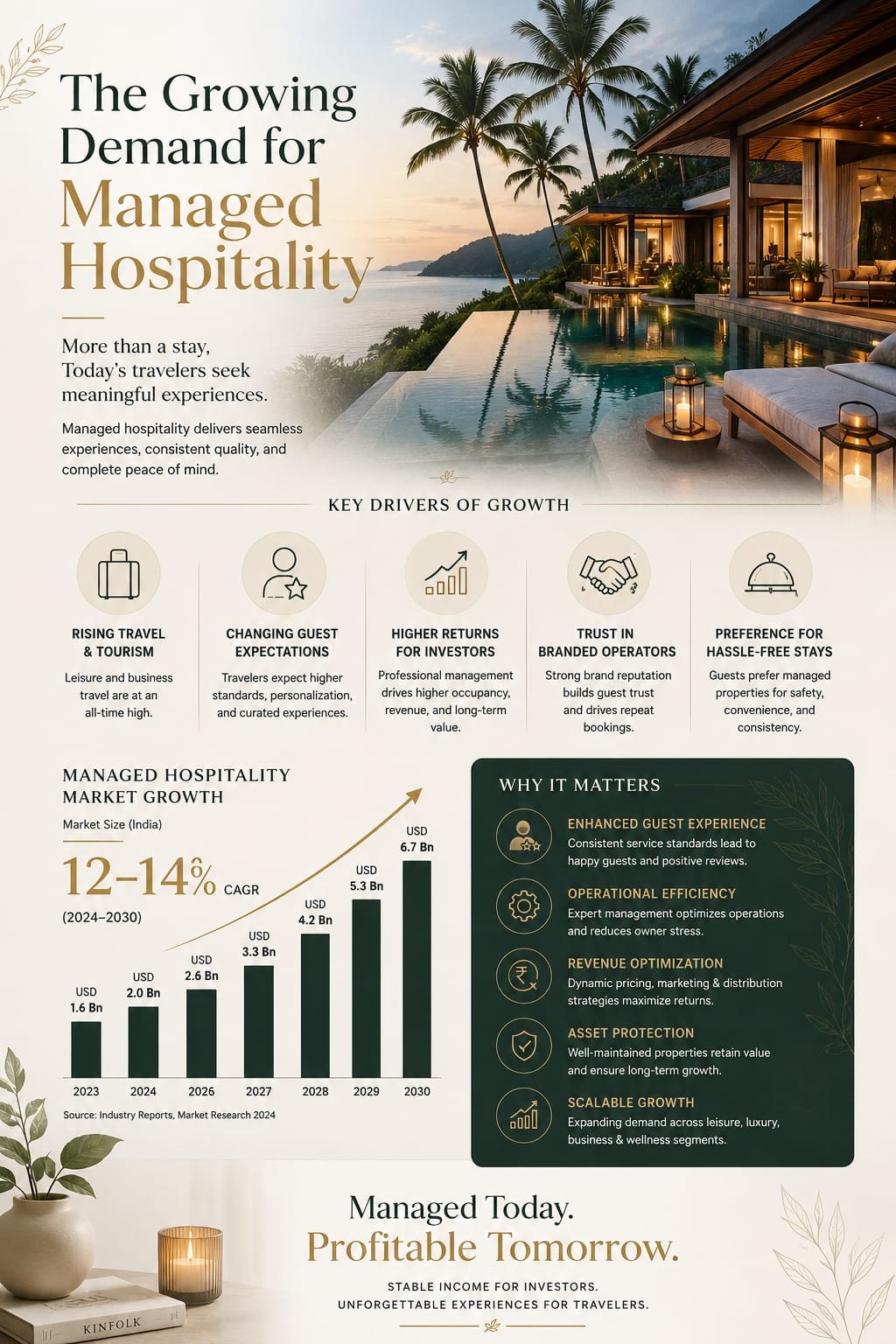
Managed resort properties are becoming increasingly attractive because professional operators handle guest management, maintenance, marketing, and bookings, providing passive income for investors.
Wellness Retreat Properties
The global wellness tourism market continues to expand, creating opportunities for investments in:
- Yoga retreats
- Spa resorts
- Holistic wellness centers
- Nature-based healing destinations
Eco-Friendly Resort Developments
Sustainability-conscious travelers are driving demand for eco-resorts and environmentally responsible accommodations.
Adventure Tourism Assets
Properties near trekking routes, wildlife reserves, beaches, lakes, and mountain destinations are witnessing strong investor interest due to growing adventure tourism demand.
Why High-Net-Worth Investors Are Paying Attention
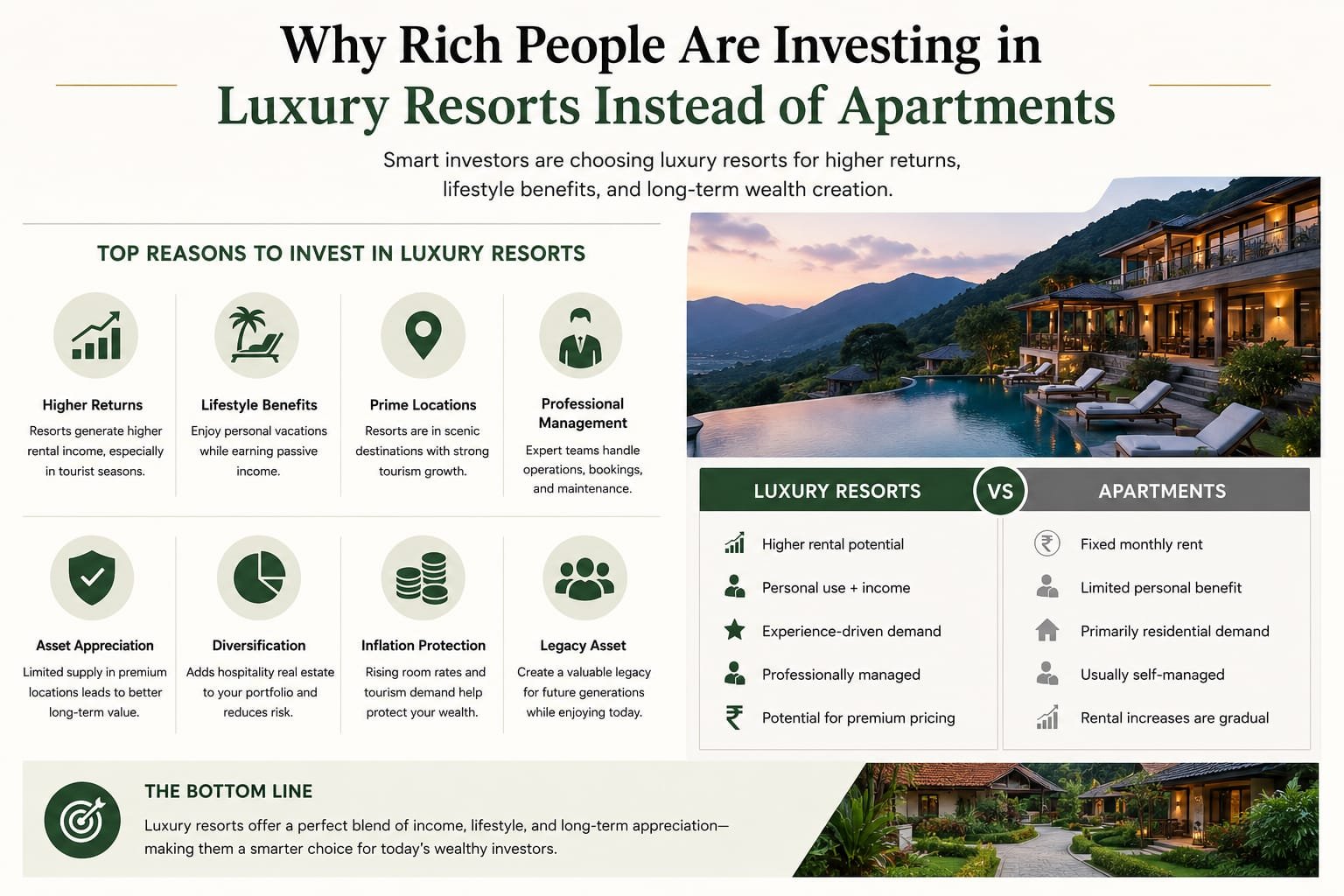
High-Net-Worth Individuals (HNIs) are increasingly shifting capital from traditional urban apartments toward tourism-linked real estate assets because these investments offer:
- Higher income potential
- Lifestyle ownership benefits
- Portfolio diversification
- Inflation protection
- Long-term capital appreciation
- Professional asset management
Managed resort investments, in particular, allow investors to enjoy passive ownership while benefiting from the growth of the tourism economy.
Key Considerations Before Investing
Before investing in experiential tourism real estate, investors should evaluate:
- Location attractiveness
- Tourism growth potential
- Accessibility and infrastructure
- Occupancy trends
- Developer credibility
- Resort management expertise
- Regulatory environment
- Sustainability initiatives
Choosing destinations with strong tourism fundamentals can significantly improve long-term returns.
The Future of Tourism-Led Real Estate Investment
As travelers continue to seek authentic, immersive, and personalized experiences, experiential tourism is expected to become a major force shaping real estate investment trends. From luxury resort villas and wellness retreats to eco-resorts and managed hospitality assets, investors now have access to opportunities that combine lifestyle appeal with attractive financial returns.
The convergence of tourism, hospitality, wellness, and real estate is creating a new investment landscape—one where experiences drive value. For forward-thinking investors, experiential tourism represents not just a travel trend but a long-term wealth creation opportunity.
Conclusion
Experiential tourism is transforming the way people travel and, in turn, reshaping real estate investment strategies. Investors who recognize this shift early can benefit from growing demand, premium rental yields, and long-term appreciation. As tourism becomes increasingly experience-focused, managed resort investments and hospitality-driven real estate are poised to become some of the most attractive asset classes in the coming years.