Introduction
The hospitality industry has always evolved alongside changing travel trends, but one of the most significant shifts in recent years has been the rise of weekend tourism. As work-life balance becomes increasingly important and flexible work arrangements become more common, travelers are opting for short, frequent getaways rather than long annual vacations. This growing preference for weekend travel is reshaping how hotels, resorts, restaurants, and tourism businesses operate.
From personalized experiences to digital convenience, weekend tourism is driving innovation across the hospitality sector. Understanding these changes is essential for businesses that want to remain competitive in today’s fast-moving travel landscape.
The Rise of Weekend Tourism
Weekend tourism refers to short trips typically lasting two to three days, often taken during weekends or public holidays. These trips are usually focused on relaxation, adventure, cultural exploration, or wellness experiences within a relatively short distance from home.
Several factors have contributed to its growth:
- Increased disposable income among urban populations
- Flexible and remote working arrangements
- Improved transportation infrastructure
- Growing demand for quick escapes from busy lifestyles
- Social media influence encouraging spontaneous travel
As a result, destinations that were once considered secondary tourist spots are now experiencing increased visitor numbers throughout the year.
Impact on Hotel Operations
Higher Demand for Short-Stay Accommodations
Hotels are witnessing a surge in bookings for one- and two-night stays. This trend has encouraged hospitality providers to create weekend-specific packages that include meals, local experiences, and recreational activities.
Dynamic Pricing Strategies
Weekend tourism has led hotels to adopt more flexible pricing models. Rates often increase during peak weekends and holidays while promotional discounts attract guests during off-peak periods. Revenue management systems have become critical for maximizing occupancy and profitability.
Faster Check-In and Check-Out Processes
Weekend travelers value convenience and efficiency. To meet these expectations, many hotels have implemented:
- Mobile check-ins
- Contactless payments
- Digital room keys
- Automated guest services
These innovations help reduce waiting times and improve guest satisfaction.
Growth of Experiential Travel
Modern travelers seek memorable experiences rather than simply a place to stay. Weekend tourists often prioritize unique activities that fit into a limited timeframe.
Hospitality businesses are responding by offering:
- Local cultural tours
- Adventure sports packages
- Culinary experiences
- Wellness retreats
- Nature-based activities
Hotels are increasingly partnering with local businesses to create curated experiences that enhance the overall guest journey.
Increased Focus on Wellness Tourism
Many weekend travelers use short breaks to recharge mentally and physically. This has fueled the popularity of wellness tourism.
Hotels and resorts are expanding their wellness offerings through:
- Spa treatments
- Yoga and meditation sessions
- Fitness programs
- Healthy dining options
- Digital detox experiences
Properties that promote relaxation and well-being are attracting a growing segment of weekend travelers.
Technology’s Role in Weekend Tourism
Technology has become a key driver of weekend travel decisions. Travelers now research, book, and review experiences almost entirely online.
The hospitality industry is investing heavily in:
- Mobile booking platforms
- Artificial intelligence-powered customer service
- Personalized marketing campaigns
- Online reputation management
- Data analytics for customer insights
These tools help businesses understand traveler preferences and deliver tailored experiences.
Opportunities for Local Destinations
Weekend tourism is creating economic opportunities for smaller cities, rural areas, and emerging destinations. Visitors often seek less crowded locations that offer authenticity and easy accessibility.
Benefits include:
- Increased local employment
- Growth of small businesses
- Enhanced infrastructure development
- Greater tourism revenue distribution
This shift helps reduce pressure on major tourist hubs while promoting sustainable regional growth.
Challenges for the Hospitality Industry
While weekend tourism offers significant opportunities, it also presents challenges:
Managing Peak Demand
Many destinations experience overcrowding during weekends while remaining underutilized during weekdays. Businesses must carefully manage staffing, inventory, and resources to maintain service quality.
Sustainability Concerns
Increased travel frequency can contribute to environmental pressures. Hospitality providers are adopting sustainable practices such as:
- Energy-efficient operations
- Waste reduction programs
- Local sourcing initiatives
- Eco-friendly accommodations
Evolving Customer Expectations
Weekend travelers expect high-quality experiences despite shorter stays. Meeting these expectations requires continuous innovation and investment in guest services.
The Future of Weekend Tourism
Weekend tourism is expected to continue growing as travelers seek flexibility, convenience, and meaningful experiences. The hospitality industry will likely see increased demand for personalized services, smart technologies, wellness offerings, and sustainable travel solutions.
Businesses that adapt to these evolving preferences will be better positioned to attract modern travelers and build long-term customer loyalty.
Conclusion
Weekend tourism is transforming the hospitality industry by changing how people travel, book accommodations, and experience destinations. The trend has created new opportunities for hotels, resorts, restaurants, and local communities while encouraging innovation in technology, guest services, and sustainability.
As consumer preferences continue to evolve, hospitality businesses that embrace the weekend travel movement will be able to thrive in an increasingly competitive tourism landscape. By delivering convenience, memorable experiences, and value-driven offerings, the industry can successfully meet the needs of the modern weekend traveler.
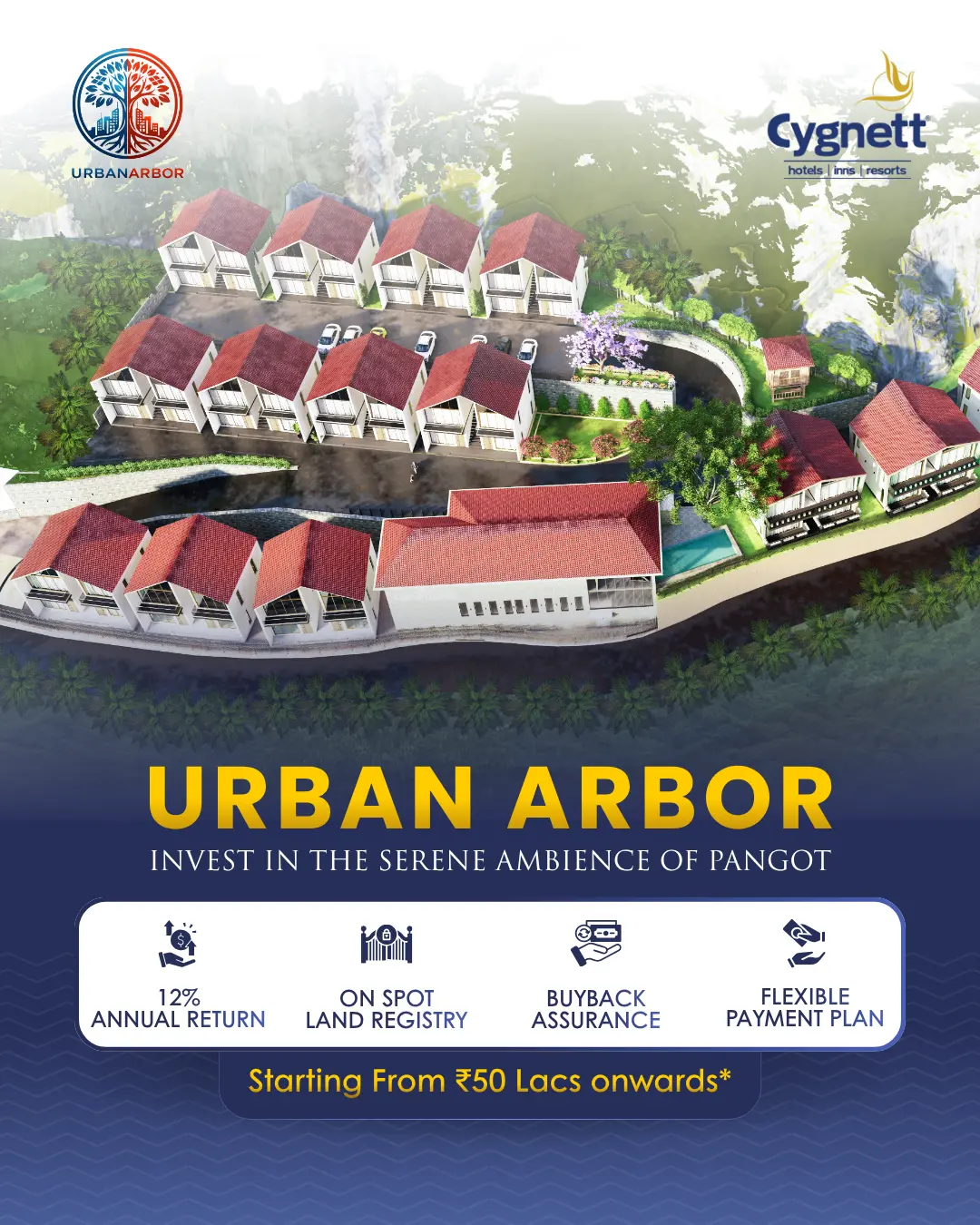
Weekend tourism is reshaping the hospitality industry by increasing demand for flexible, experience-driven stays. As travelers seek quick and meaningful getaways, hospitality brands like Urban Arbor have an opportunity to deliver comfort, convenience, and personalized experiences that meet the needs of modern weekend travelers. Businesses that adapt to these changing preferences will be well-positioned for future growth.
1. How is weekend tourism affecting the hospitality industry?
Answer:
Weekend tourism has increased demand for hotels, resorts, restaurants, and recreational facilities. Hospitality businesses are creating special weekend packages and experiences to attract short-term travelers.
2. What changes are hotels making because of weekend tourism?
Answer:
Hotels are offering discounted weekend packages, late check-outs, family-friendly activities, spa services, and customized experiences to attract more guests during weekends.
3. How does weekend tourism benefit urban areas?
Answer:
Urban destinations benefit from increased spending on accommodation, dining, shopping, entertainment, and local attractions, which boosts the local economy and creates employment opportunities.