Introduction
Inflation-Proof Investments: How Real
Inflation is one of the biggest threats to long-term wealth creation. As the cost of goods, services, and everyday living continues to rise, the purchasing power of money gradually declines. For investors, this means that simply keeping money in savings accounts or low-yield assets may not be enough to preserve wealth over time.
This is where real estate stands out. For decades, property investments have been considered one of the most reliable inflation hedges, offering both capital appreciation and income growth. Whether it’s residential property, commercial assets, or managed resort investments, real estate has consistently demonstrated its ability to protect and grow wealth during inflationary periods.urbanarbor.in
Understanding Inflation and Its Impact
Inflation refers to the increase in prices over time, which reduces the value of money. When inflation rises:
- Everyday expenses become more expensive.
- Savings lose purchasing power.
- Fixed-income investments may deliver lower real returns.
- Investors seek assets that can keep pace with rising prices.
The key challenge for investors is finding assets that not only preserve capital but also generate returns that outpace inflation.
Why Real Estate Is Considered Inflation-Proof
1. Property Values Tend to Rise with Inflation
One of the biggest advantages of real estate is its historical tendency to appreciate in value over time. As construction costs, land prices, and demand increase, property values often rise alongside inflation.
This means investors benefit from:
- Long-term capital appreciation
- Increased asset value
- Greater net worth over time
Unlike cash, which loses value during inflation, real estate often gains value.
2. Rental Income Increases Over Time
Real estate provides a unique combination of asset appreciation and recurring income.
As inflation pushes living and operating costs higher, property owners can often increase rental rates to reflect market conditions. This allows rental income to grow over time, helping investors maintain purchasing power.
Benefits include:
- Rising monthly cash flow
- Improved investment returns
- Protection against inflation-driven cost increases
3. Limited Supply Supports Demand
Land is a finite resource. In growing cities, tourist destinations, and high-demand locations, supply often cannot keep pace with demand.
This scarcity creates:
- Strong property demand
- Higher occupancy rates
- Long-term price appreciation
As populations grow and urbanization continues, quality real estate assets become increasingly valuable.
4. Tangible Asset with Intrinsic Value
Unlike stocks or currencies, real estate is a physical asset that provides real utility. People will always need homes, workplaces, hotels, and recreational destinations.
Because of this intrinsic value, real estate tends to remain resilient even during periods of economic uncertainty.
Investors appreciate the security of owning a tangible asset that can generate income while preserving wealth.
The Advantage of Resort and Hospitality Real Estate
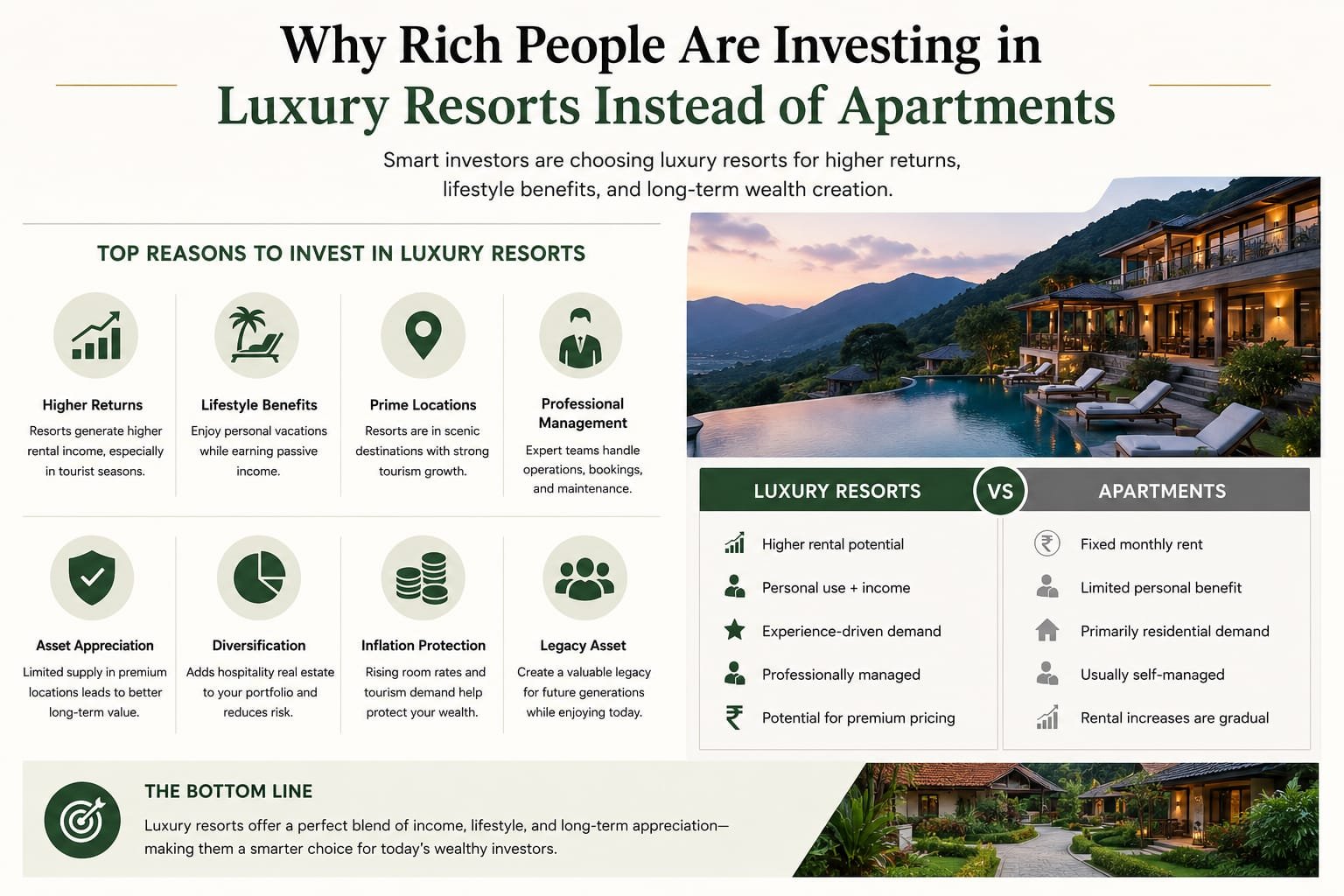
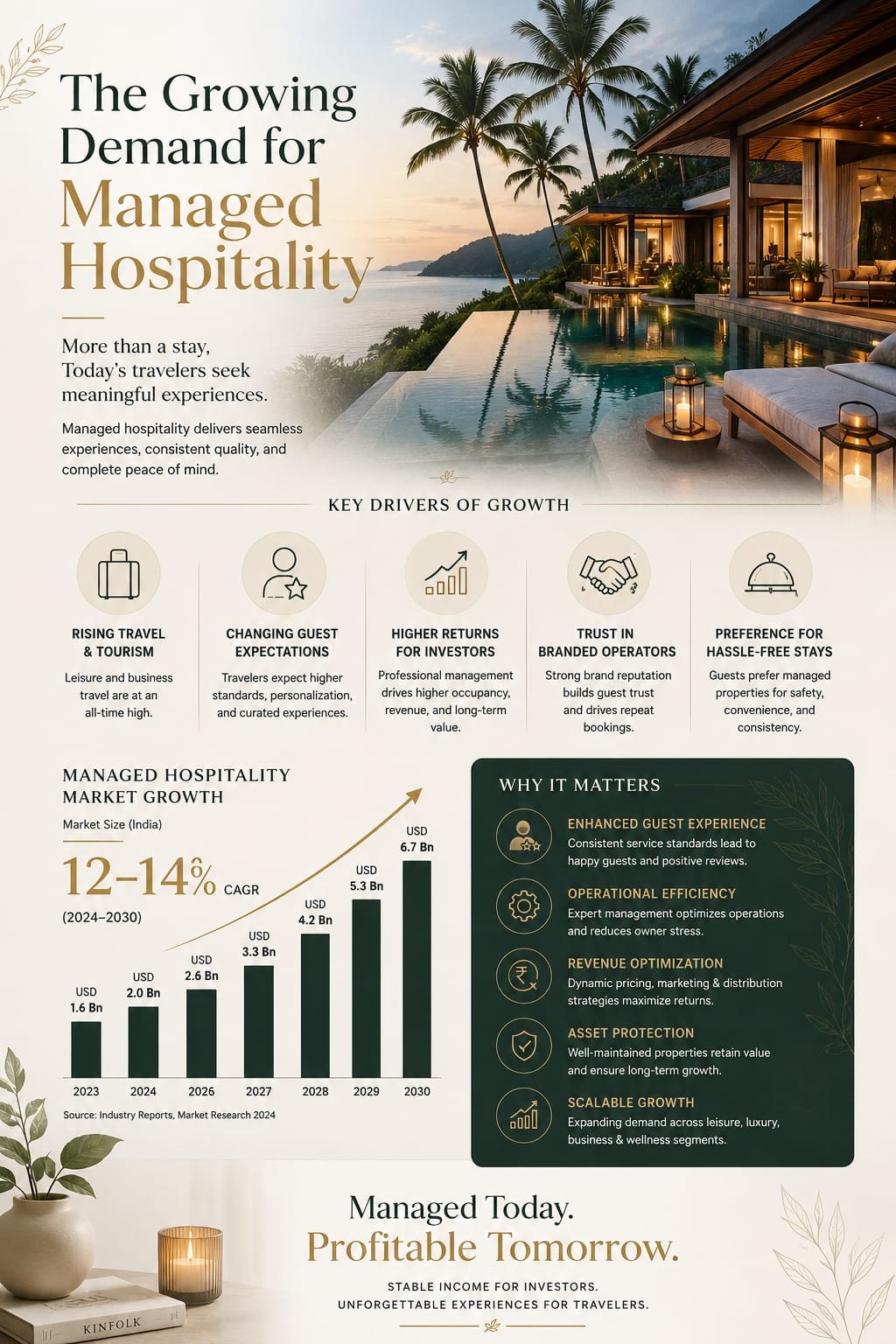
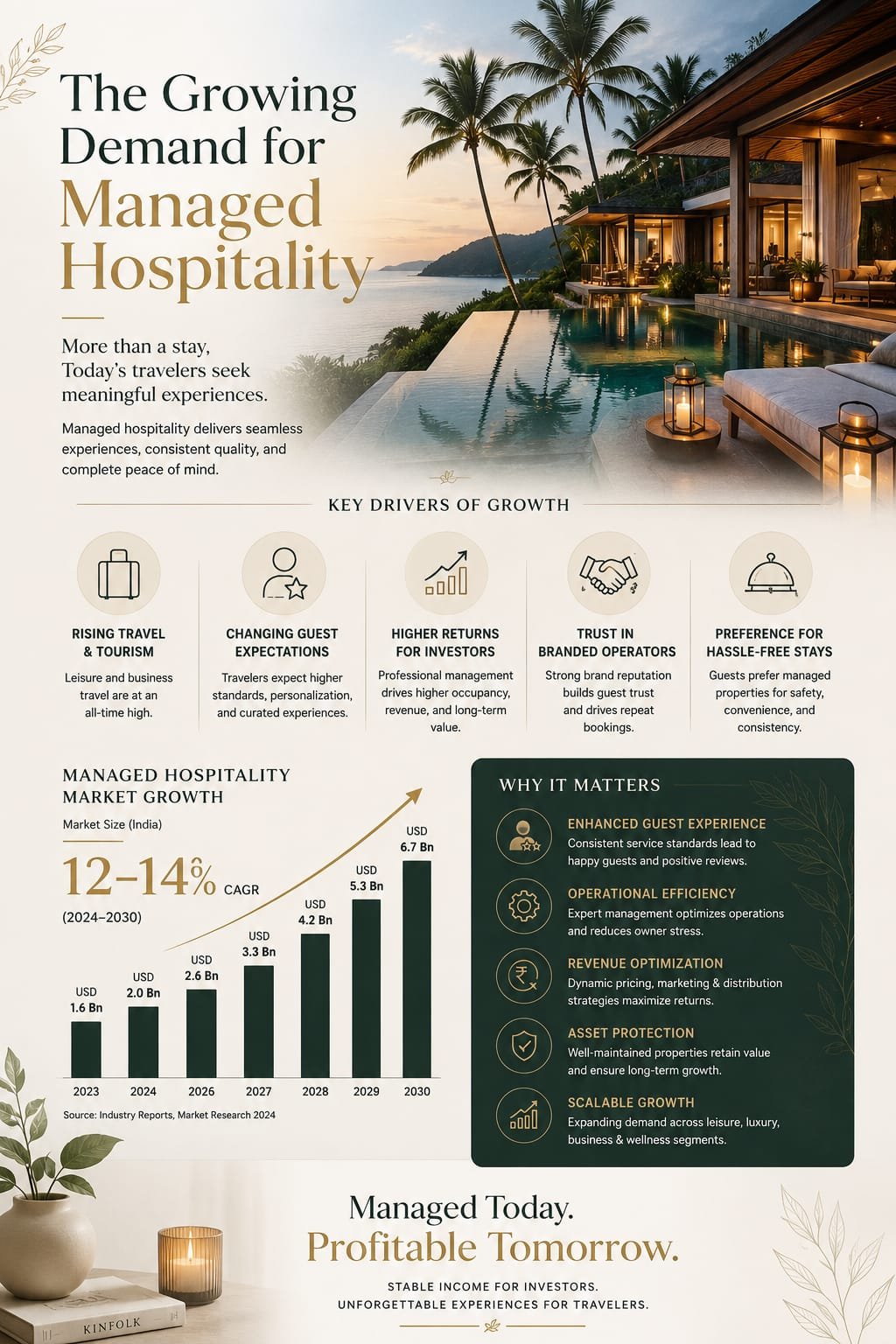
A growing segment of inflation-resistant investing is managed resort and hospitality real estate.
Modern travelers increasingly seek:
- Nature-based experiences
- Wellness retreats
- Luxury vacation stays
- Eco-tourism destinations
This demand creates opportunities for investors to benefit from:
- Premium rental yields
- Professional property management
- Tourism-driven growth
- Higher occupancy potential
Managed resort investments combine real estate ownership with hospitality income, creating multiple avenues for return generation.
Real Estate vs Traditional Inflation Hedges
| Investment Type | Inflation Protection | Income Generation |
|---|---|---|
| Cash Savings | Low | Low |
| Fixed Deposits | Moderate | Fixed |
| Gold | Moderate | None |
| Stocks | Variable | Variable |
| Real Estate | High | Strong |
While no investment is completely risk-free, real estate offers the rare combination of appreciation, income generation, and inflation protection.
Key Factors to Consider
Before investing in real estate, evaluate:
- Location quality
- Demand drivers
- Infrastructure development
- Rental potential
- Property management support
- Long-term growth prospects
Assets located in emerging tourism hubs, nature destinations, and rapidly developing regions often offer stronger inflation-adjusted returns.
Conclusion
Inflation may be unavoidable, but losing purchasing power doesn’t have to be. Real estate remains one of the most effective ways to protect wealth while generating long-term returns.
By combining capital appreciation, growing rental income, and tangible asset ownership, real estate provides investors with a powerful shield against inflation. As economic conditions evolve, strategically selected properties—especially income-generating and managed real estate assets—can help preserve wealth and build financial security for generations.
For investors seeking stability, growth, and protection from rising costs, real estate continues to be one of the smartest long-term investment choices available.urbanarbor.in
1. Why is real estate considered an inflation-proof investment?
Real estate is often considered inflation-resistant because property values and rental income tend to rise alongside inflation, helping investors maintain and grow their purchasing power over time.
2. How does inflation affect property prices?
As construction costs, land values, and demand increase, property prices generally appreciate. This makes real estate one of the few asset classes that can benefit from inflationary environments.
3. Can rental income keep up with inflation?
Yes. Landlords can typically adjust rents based on market conditions, allowing rental income to increase over time and offset rising living and operational costs.
4. Is real estate safer than keeping money in a savings account during inflation?
While no investment is risk-free, savings accounts often fail to keep pace with inflation. Real estate offers the potential for both income generation and capital appreciation, making it a stronger long-term wealth preservation tool.