Introduction
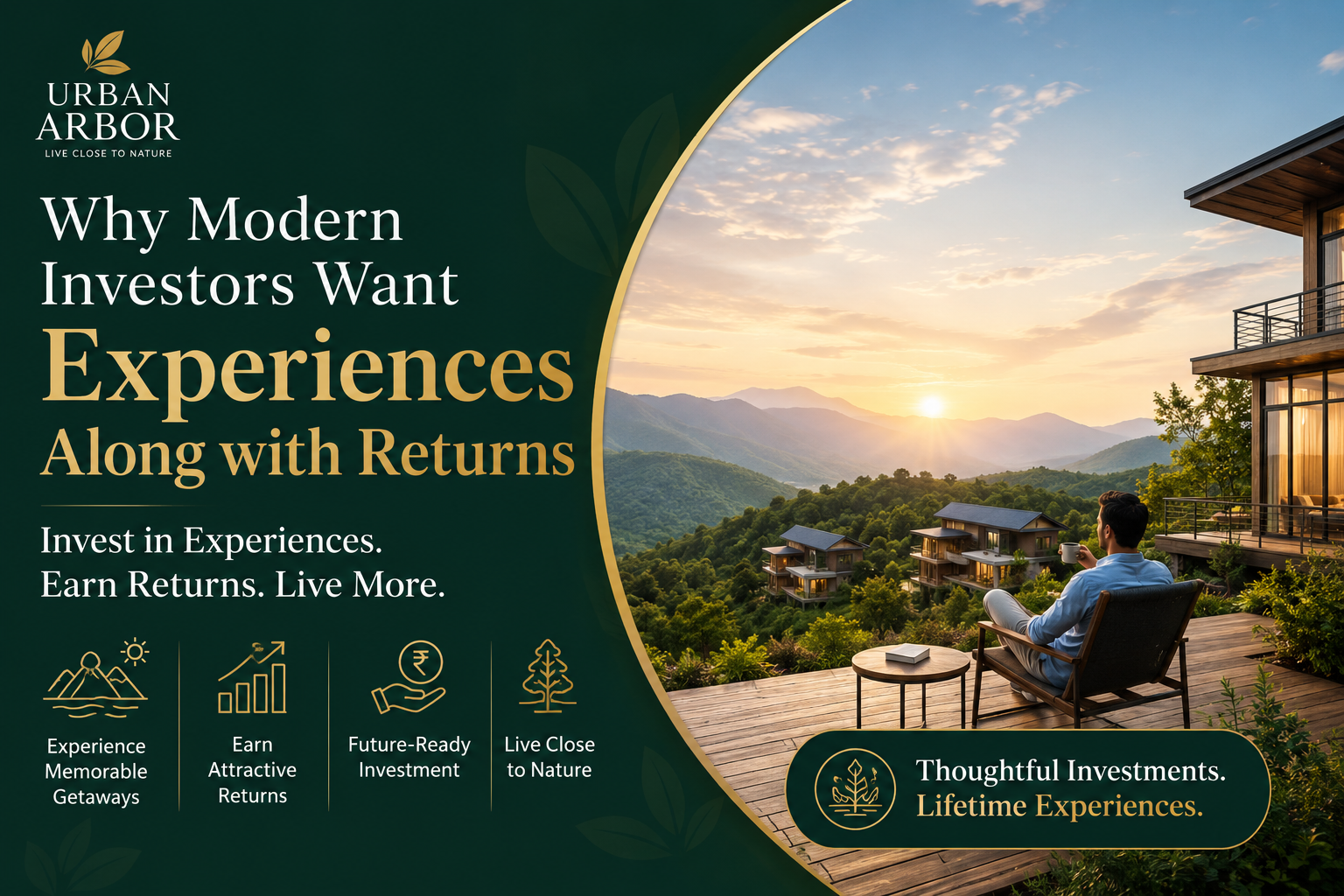
The real estate industry is witnessing a major transformation driven by changing consumer lifestyles, evolving investment priorities, and the growing demand for experience-driven assets. Traditional property investments, once centered primarily around residential apartments, commercial spaces, and land ownership, are now expanding into a new category known as experiential real estate investments.
Experiential real estate is rapidly becoming one of the most attractive segments within the property market, particularly among younger investors, entrepreneurs, business professionals, and high-net-worth individuals.
The combination of passive income opportunities, tourism growth, and premium lifestyle experiences is redefining how people view modern real estate investments.
Modern investors are no longer focused only on owning physical assets for appreciation or rental income. This shift has given rise to hospitality-driven developments, luxury resort properties, wellness retreats, eco-tourism projects, branded residences, and destination-based investments that cater to both personal enjoyment and long-term returns.
As travel trends, consumer behavior, and hospitality preferences continue evolving, experiential real estate is expected to play a significant role in shaping the future of the industry.
Understanding Experiential Real Estate
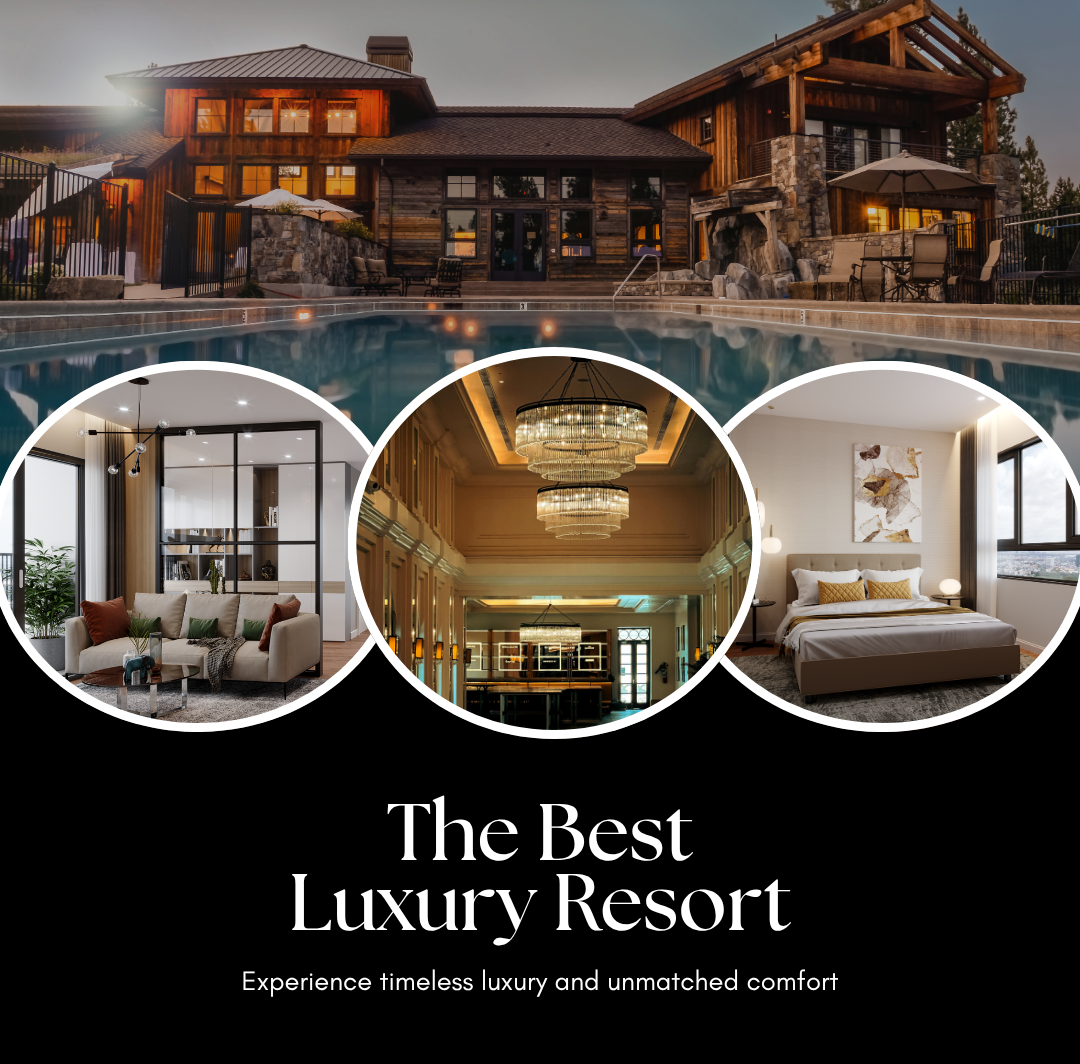
Experiential real estate refers to properties designed to deliver unique experiences alongside traditional investment value. Unlike conventional real estate assets that primarily focus on ownership and functionality, experiential properties prioritize customer engagement, emotional satisfaction, lifestyle enhancement, and hospitality-driven services.
The goal is not simply to provide accommodation or infrastructure but to create memorable experiences that attract visitors, travelers, and investors alike.
Experiential real estate can include:
- Luxury resort developments
- Wellness retreats
- Eco-resorts
- Branded hospitality residences
- Nature-based tourism properties
- Adventure tourism destinations
- Luxury vacation villas
- Glamping and sustainable tourism projects
The rising popularity of these developments reflects the growing demand for experience-oriented living and travel among modern consumers.
The Rise of Managed Resort Investments
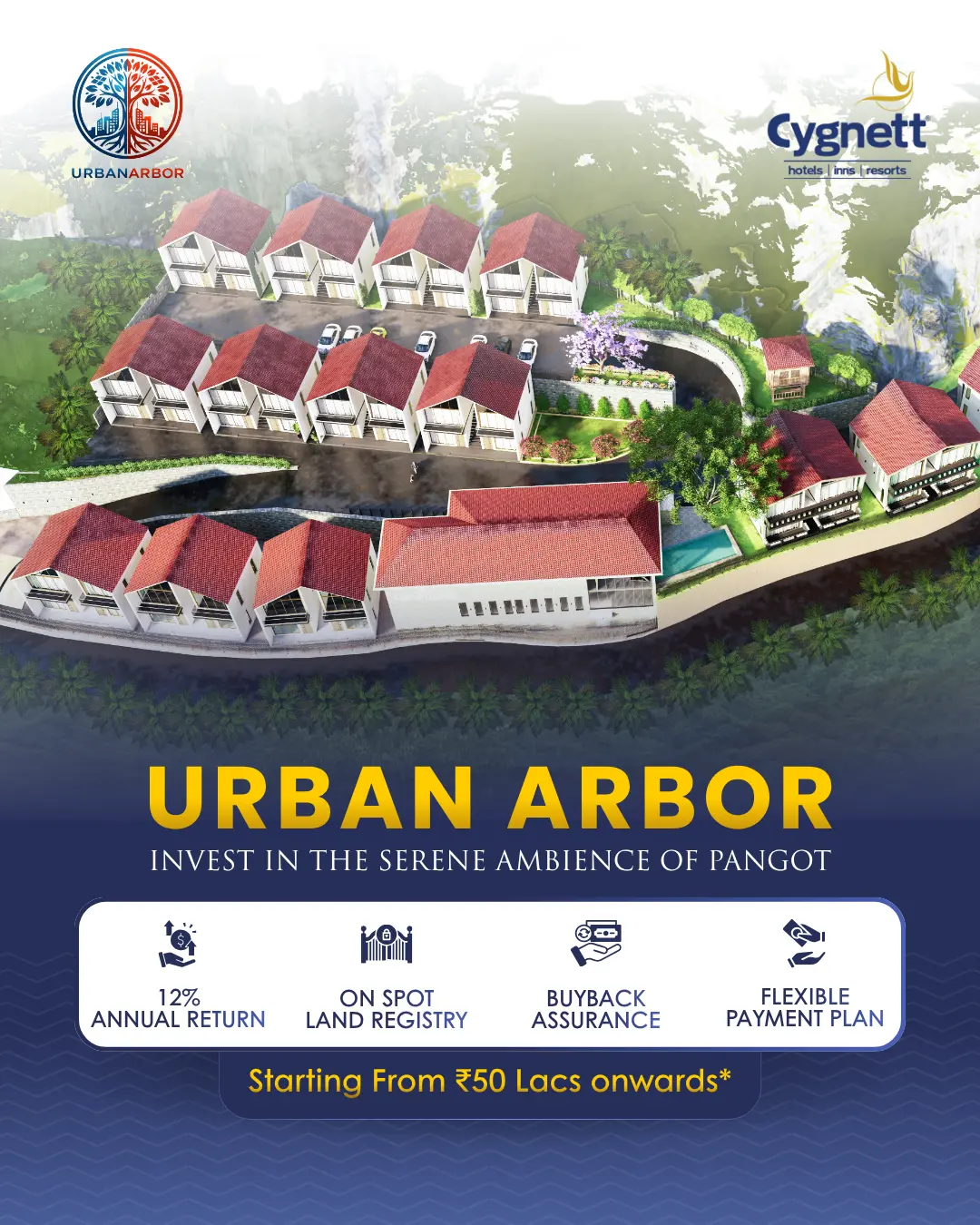
Among the fastest-growing segments within experiential real estate is managed resort investment. These properties offer professionally managed hospitality operations while allowing investors to benefit from passive income and long-term appreciation.
Managed resorts are especially attractive because they eliminate many of the operational challenges associated with conventional property ownership. Professional management companies handle:
- Guest services
- bookings
- maintenance
- marketing
- Daily operations.
This allows investors to enjoy hassle-free ownership while participating in the rapidly growing hospitality market.
Luxury cottages, mountain-view resorts, wellness retreats, and eco-tourism projects are becoming increasingly popular in destinations such as Nainital, Pangot, Mussoorie, Goa, and Rishikesh. These locations are attracting travelers who seek immersive nature experiences combined with premium hospitality services.
Changing Consumer Preferences and Lifestyle Trends
One of the primary reasons behind the growth of experiential real estate is the changing mindset of consumers. Today’s generation places greater importance on experiences, wellness, travel, and quality of life than previous generations.
Consumers are increasingly spending on:
- Luxury travel experiences
- Wellness retreats
- Nature escapes
- Personalized hospitality
- Experiential stays.
The modern traveler is no longer satisfied with standard hotel accommodations. Instead, people seek destinations that provide emotional value, relaxation, exclusivity, and memorable experiences.
This shift has directly influenced investment patterns within the real estate sector. Investors are recognizing that properties capable of delivering unique experiences often attract stronger demand, higher occupancy, and greater long-term value.
As a result, experiential real estate has emerged as a modern investment category aligned with evolving lifestyle aspirations.


Wellness Tourism and Sustainable Developments
The rise of wellness tourism has significantly influenced the growth of experiential real estate. Post-pandemic consumer behavior has shifted toward health-conscious travel, mental wellness, and sustainable living environments.
Travelers now prioritize destinations that promote:
- Relaxation
- Mindfulness
- Wellness activities
- Eco-friendly experiences
- Connection with nature.
Eco-resorts and wellness-focused developments are gaining popularity because they align with modern consumer values. Investors are also recognizing that sustainability-focused projects are likely to maintain stronger demand in the long term.
As a result, developers are increasingly incorporating sustainable architecture, wellness facilities, organic landscapes, and environmentally responsible construction into experiential real estate projects.
Experiential real estate is no longer limited to luxury alone. It now represents a broader lifestyle movement focused on wellness, sustainability, and meaningful experiences.
Higher Return Potential and Asset Appreciation
Experiential real estate investments are gaining popularity because they often provide stronger earning potential compared to traditional property assets.
Tourism-driven properties typically generate revenue through:
- Short-term premium stays
- Vacation rentals
- Seasonal tourism demand
- Wellness packages
- Hospitality experiences.
Luxury hospitality properties in high-demand destinations can command premium pricing, particularly during holiday seasons and peak travel periods.
Additionally, emerging tourism destinations often witness rapid infrastructure development and increasing land appreciation over time. Investors entering these markets early may benefit from substantial long-term value growth.
This dual advantage of recurring hospitality income and capital appreciation makes experiential real estate highly attractive for portfolio diversification.
Emotional Value and Lifestyle Ownership
One of the defining characteristics of experiential real estate is its emotional appeal. Unlike conventional investments that primarily focus on financial returns, experiential properties create personal and lifestyle connections for investors.
Many investors are drawn toward properties that allow them to:
- Spend vacations
- Enjoy nature retreats
- Luxury hospitality
- Experience wellness-focused environments.
This combination of investment and lifestyle ownership creates a deeper emotional attachment to the property.
Modern investors increasingly prefer assets that contribute to both financial growth and quality of life. Experiential real estate successfully addresses this demand by offering a balance between profitability and personal satisfaction.


The Future of Experiential Real Estate in India
The future of experiential real estate in India appears highly promising. Rising tourism demand, increasing urban stress, evolving consumer behavior, and growing interest in wellness-driven lifestyles are expected to continue fueling this sector.
Developers are increasingly focusing on:
- Luxury hospitality projects
- Eco-tourism destinations
- Wellness communities
- Experience-centric real estate developments.
At the same time, investors are becoming more aware of alternative real estate opportunities that extend beyond conventional residential and commercial properties.
As infrastructure improves and tourism expands into emerging destinations, experiential real estate is likely to witness strong long-term growth across India.
Frequently Asked Questions (FAQs)
Experiential real estate investment refers to properties that focus on delivering unique lifestyle and hospitality experiences along with financial returns. These properties may include luxury resorts, wellness retreats, eco-resorts, vacation villas, and hospitality-driven developments designed to create memorable experiences for guests and investors.
Experiential real estate is gaining popularity because modern consumers value experiences, travel, wellness, and lifestyle-oriented living more than traditional ownership models. Increasing tourism, social media influence, and demand for luxury hospitality experiences have significantly contributed to its growth.
Example includes-
Luxury resort properties
Wellness retreats
Eco-tourism resorts
Boutique hospitality projects
Nature-based villas
Conclusion
Experiential real estate investments represent a significant evolution in the modern property market. Driven by changing lifestyle preferences, rising tourism demand, wellness-focused travel, and the desire for meaningful experiences, this segment is redefining traditional investment models.
For modern investors seeking diversification, long-term appreciation, and lifestyle-oriented ownership, experiential real estate presents a compelling opportunity that goes beyond traditional property investment.
Unlike conventional real estate, experiential properties offer a unique combination of financial returns, passive income, emotional value, and lifestyle benefits. From luxury resorts and wellness retreats to eco-tourism developments and destination-based hospitality projects, investors are increasingly recognizing the long-term potential of experience-driven assets.
As consumer expectations continue evolving, experiential real estate is expected to become one of the most influential and future-ready segments within the global real estate industry.