In recent years, the worlds of hospitality and real estate have become increasingly interconnected. What was once a clear distinction between hotels and residential properties has evolved into a dynamic partnership that is reshaping the way people live, invest, and experience real estate. Hospitality brands are no longer limited to operating hotels; they are now influencing residential developments, mixed-use communities, luxury apartments, branded residences, and commercial projects worldwide.
This transformation is driven by changing consumer expectations, growing demand for lifestyle-focused living, and the desire for premium experiences beyond traditional property ownership. In this blog, we explore the role of hospitality brands in modern real estate, their impact on property values, investor confidence, and the future of urban development.
Understanding Hospitality-Branded Real Estate
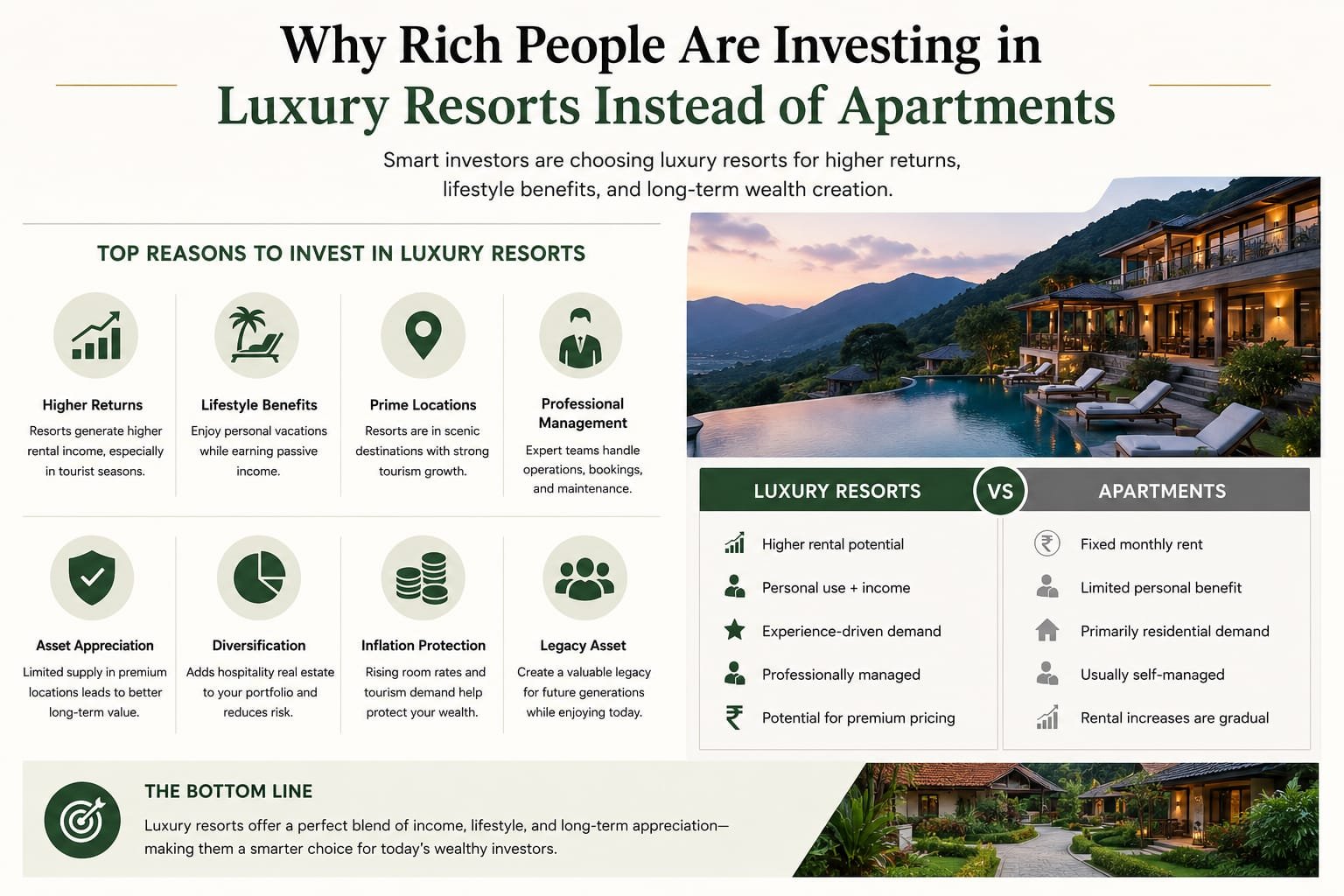
Hospitality-branded real estate refers to residential or mixed-use developments associated with a recognized hotel or hospitality brand. These projects combine the comfort and ownership benefits of residential properties with the luxury services and amenities typically found in high-end hotels.
Examples include:
- Branded luxury residences
- Serviced apartments
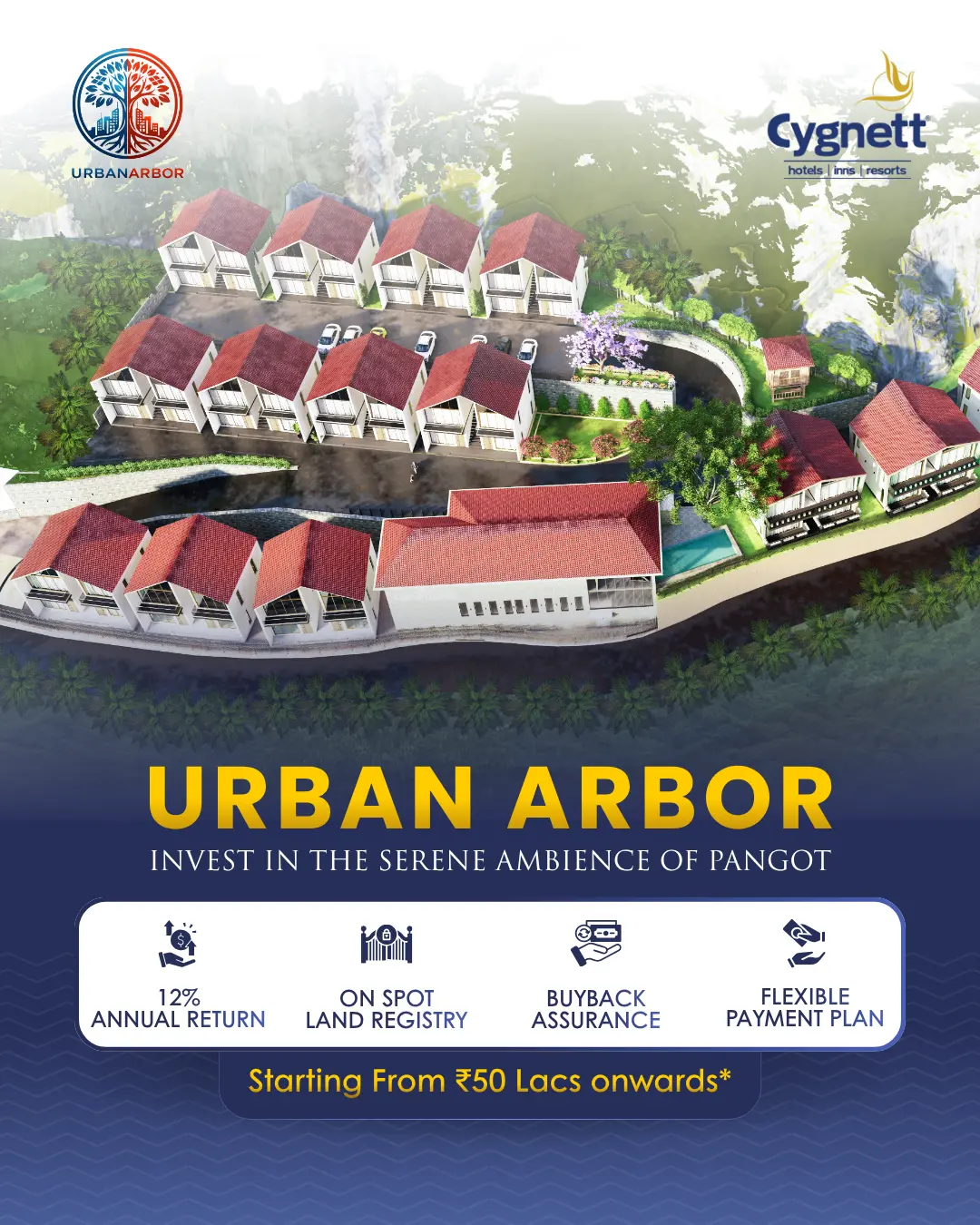
- Resort-style residential communities
- Mixed-use developments with hotel components
- Vacation homes managed by hospitality operators
In these developments, residents often enjoy access to concierge services, housekeeping, wellness facilities, security, dining options, and personalized experiences that enhance their quality of life.
Why Hospitality Brands Are Entering Real Estate
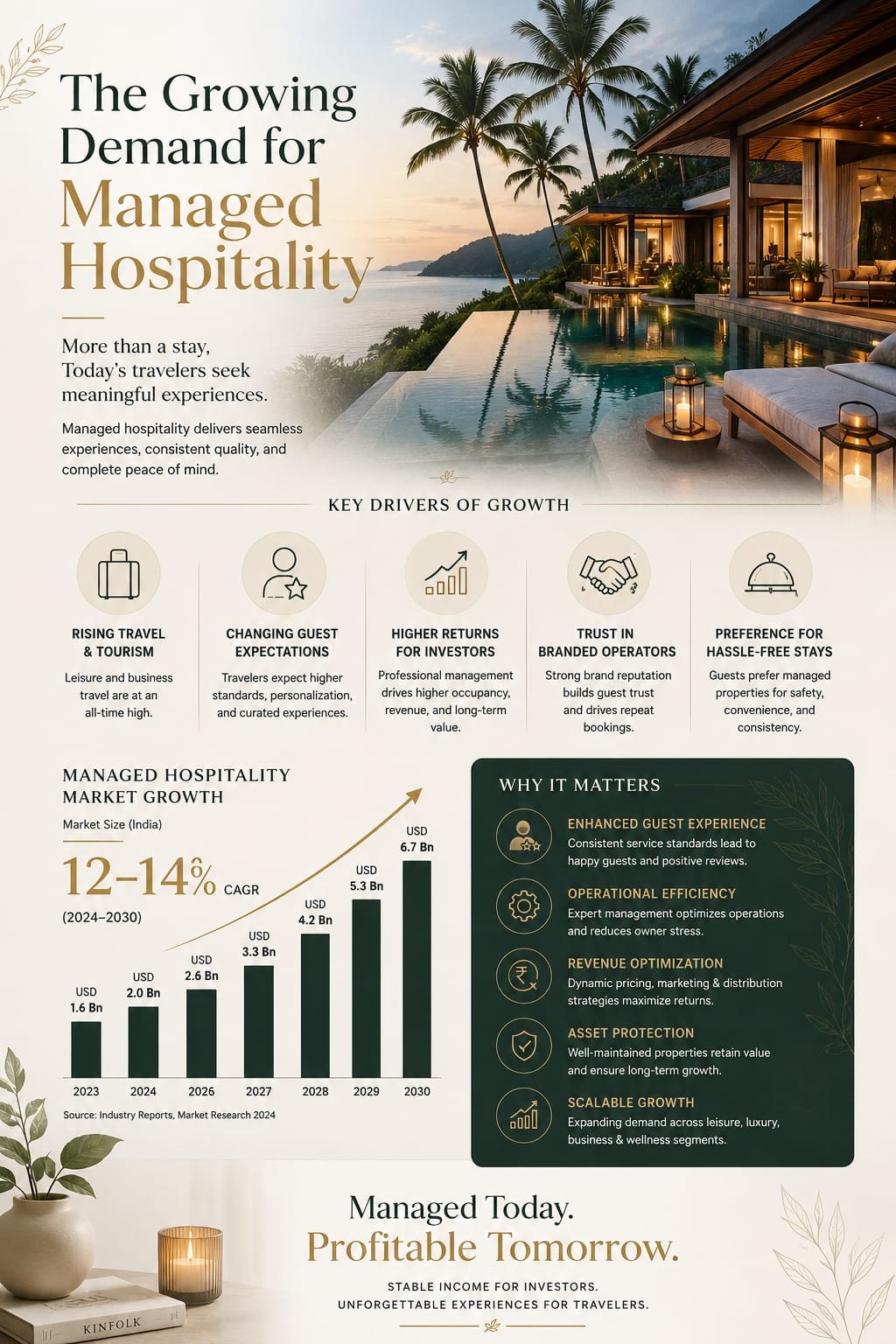
The growing overlap between hospitality and real estate is not accidental. Several factors have contributed to this trend.
1. Rising Demand for Lifestyle-Oriented Living
Modern buyers are increasingly prioritizing experiences over possessions. They seek homes that offer convenience, comfort, wellness, and community engagement.
Hospitality brands understand customer experience better than most industries. By bringing their expertise into residential projects, they create environments that cater to evolving lifestyle expectations.
Residents no longer want just a place to live; they want:
- Personalized services
- Wellness-focused amenities
- Community spaces
- Smart technology integration
- Luxury experiences
This shift has made hospitality-branded properties highly attractive.
2. Enhanced Property Value
One of the most significant benefits of hospitality branding is the potential increase in property value.
Properties associated with renowned hospitality brands often command higher prices because buyers perceive them as:
- More prestigious
- Better managed
- Higher quality
- More secure investments
Studies across global real estate markets have shown that branded residences often sell at a premium compared to non-branded properties in similar locations.
The brand itself acts as a guarantee of quality, attracting both end-users and investors.
3. Building Investor Confidence
Real estate investors are increasingly looking for projects that offer long-term stability and reliable returns.
Hospitality brands bring:
- Global recognition
- Operational expertise
- Strong management systems
- Established customer loyalty
These factors reduce perceived risk and increase confidence among investors.
When a reputable hospitality company partners with a real estate developer, it signals professionalism, quality assurance, and long-term commitment, making the project more attractive in competitive markets.
The Evolution of Branded Residences
Branded residences are among the fastest-growing segments in luxury real estate.
Initially associated only with ultra-luxury hotel chains, branded residences are now expanding into various market segments, including:
- Luxury urban apartments
- Waterfront properties
- Resort communities
- Retirement residences
- Wellness-focused developments
Residents benefit from exclusive services such as:
- Concierge assistance
- Valet parking
- Private chefs
- Spa access
- Housekeeping services
- Property management
These services provide a hotel-like experience while maintaining the privacy and ownership benefits of a personal residence.
Hospitality Brands and Mixed-Use Developments
Mixed-use developments combine residential, commercial, retail, entertainment, and hospitality elements within a single project.
Hospitality brands play a vital role in these developments by creating vibrant destinations that attract residents, tourists, and businesses alike.
Benefits of Mixed-Use Hospitality Projects
Increased Foot Traffic
Hotels attract visitors, which benefits nearby retail stores, restaurants, and entertainment venues.
Stronger Community Engagement
Hospitality-driven amenities encourage social interaction and create a sense of community.
Higher Occupancy Rates
Properties within mixed-use developments often experience stronger demand due to their convenience and integrated lifestyle offerings.
Economic Growth
These projects contribute to local economies by generating employment opportunities and supporting surrounding businesses.
Creating Exceptional Customer Experiences
The hospitality industry thrives on delivering memorable experiences. This expertise has become a valuable asset in modern real estate.
Today’s residents expect more than physical infrastructure. They seek seamless experiences throughout their daily lives.
Hospitality-inspired residential projects focus on:
Personalized Services
Residents can access tailored services based on individual preferences.
Technology Integration
Smart home systems, mobile applications, digital concierge services, and automated facilities enhance convenience.
Wellness and Lifestyle Amenities
Developers increasingly include:
- Fitness centers
- Yoga studios
- Wellness spas
- Meditation spaces
- Outdoor recreation areas
These amenities improve resident satisfaction and foster long-term loyalty.
The Impact on Urban Development
Hospitality brands are significantly influencing the future of cities.
Revitalizing Neighborhoods
Large-scale hospitality-integrated projects often transform underdeveloped areas into thriving communities.
By attracting investment and tourism, these developments stimulate urban regeneration and infrastructure improvements.
Encouraging Sustainable Development
Many hospitality brands are adopting environmentally responsible practices, including:
- Energy-efficient buildings
- Water conservation systems
- Green construction materials
- Waste reduction programs
These sustainability initiatives align with growing consumer demand for eco-friendly living environments.
Supporting Smart Cities
Hospitality-driven developments increasingly incorporate smart technologies that improve efficiency, security, and connectivity.
Examples include:
- Smart access control
- AI-powered building management
- Intelligent energy monitoring
- Digital resident services
Such innovations contribute to the development of future-ready urban communities.
Hospitality Branding as a Marketing Advantage
In a crowded real estate market, differentiation is essential.
Hospitality brands provide developers with a powerful marketing tool by offering:
Global Brand Recognition
Internationally recognized hospitality names attract buyers from around the world.
Customer Trust
Consumers often feel more comfortable purchasing properties associated with established brands.
Competitive Positioning
Branded developments stand out in competitive markets and often achieve faster sales rates.
Stronger Customer Loyalty
Many hospitality brands have loyal customer bases who are willing to invest in residential products connected to brands they already trust.
Challenges of Hospitality-Branded Real Estate
While the benefits are significant, there are also challenges.
Higher Development Costs
Premium amenities and service standards often require larger investments.
Operational Complexity
Maintaining hotel-level service quality in residential projects demands sophisticated management systems.
Brand Alignment
Developers and hospitality operators must share a common vision to ensure project success.
Market Sensitivity
Luxury and branded residences can be more sensitive to economic fluctuations and changing consumer preferences.
Successful projects require careful planning, strong partnerships, and long-term operational excellence.
Future Trends in Hospitality and Real Estate
The relationship between hospitality and real estate is expected to strengthen in the coming years.
Key trends include:
Wellness-Focused Communities
Demand for health-centric living environments will continue to grow.
Remote Work Integration
Properties designed for hybrid work lifestyles will become increasingly popular.
Sustainable Luxury
Buyers will seek environmentally responsible developments without sacrificing comfort.
Technology-Driven Experiences
Artificial intelligence, automation, and smart home technologies will play a larger role in residential experiences.
Expansion Beyond Luxury Markets
Hospitality-inspired residential concepts are likely to expand into mid-market and affordable housing segments.
Conclusion
Hospitality brands have become influential players in modern real estate, transforming properties from simple physical assets into experience-driven destinations. Through branded residences, mixed-use developments, premium services, and lifestyle-focused amenities, these brands are redefining how people live, work, and invest.
As consumer expectations continue to evolve, the integration of hospitality and real estate will become even more important. Developers who embrace hospitality principles can create stronger communities, increase property values, enhance customer satisfaction, and build long-term competitive advantages.
The future of real estate lies not only in constructing buildings but also in delivering exceptional experiences—and hospitality brands are leading that transformation.
faq
1. What is hospitality-branded real estate?
Answer:
Hospitality-branded real estate refers to residential or mixed-use properties developed in partnership with a recognized hospitality or hotel brand. These properties offer hotel-like services, premium amenities, and professional management while allowing individuals to own or invest in real estate.
2. Why are hospitality brands entering the real estate sector?
Answer:
Hospitality brands are entering real estate to expand their business models, capitalize on growing demand for lifestyle-focused living, and create additional revenue streams. Their expertise in customer service and luxury experiences adds significant value to residential developments.
3. What are branded residences?
Answer:
Branded residences are residential properties associated with a well-known hospitality brand. Owners enjoy access to premium services such as concierge assistance, housekeeping, security, wellness facilities, and property management, all under the brand’s standards.
4. How do hospitality brands increase property value?
Answer:
Hospitality brands enhance property value by offering trusted quality, premium amenities, professional management, and strong brand recognition. Buyers often pay higher prices for properties linked to reputable brands because of the perceived prestige and reliability.