Introduction
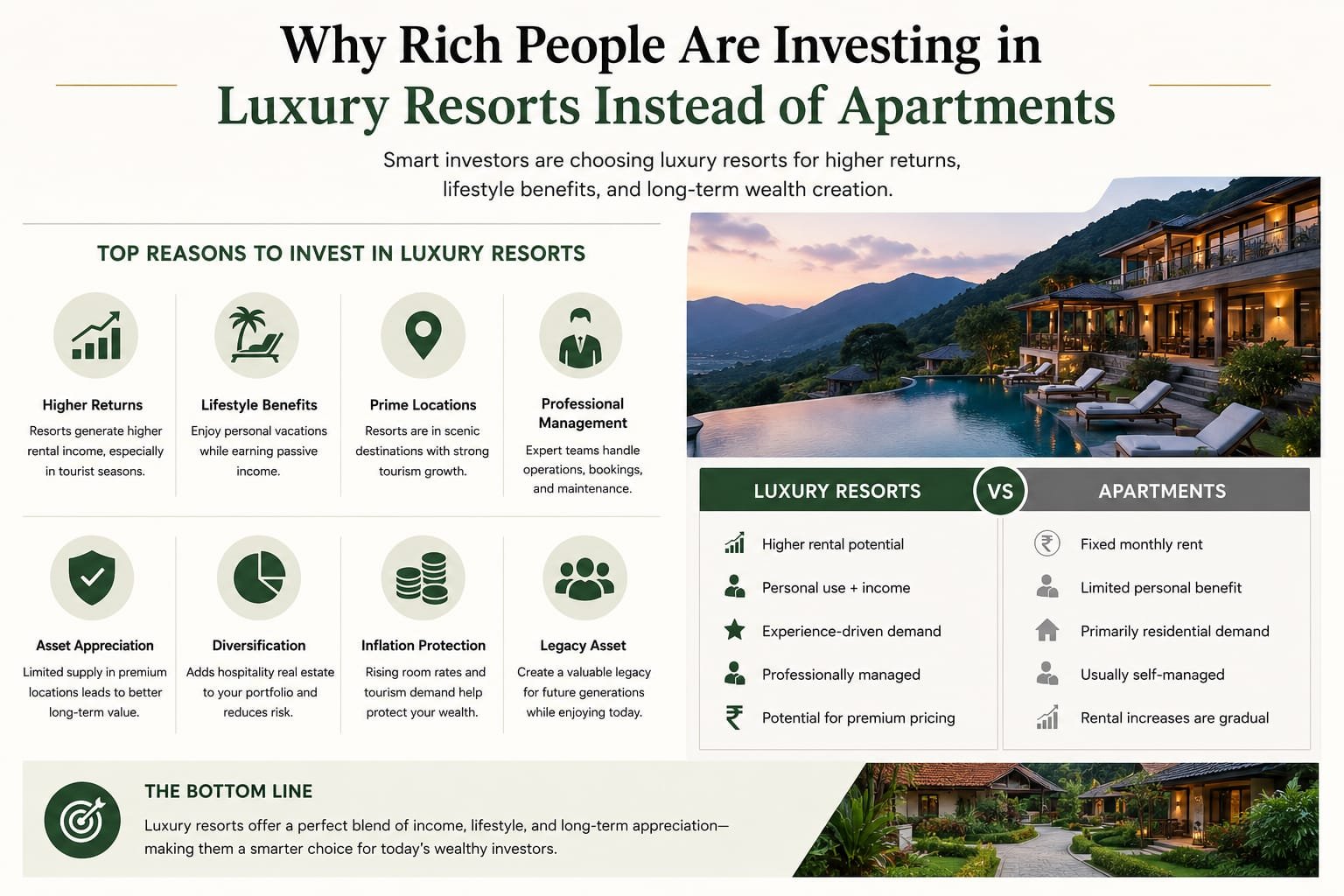
The real estate market has evolved significantly over the past decade, offering investors a wider range of opportunities beyond traditional residential and commercial properties. One investment option that has gained considerable attention is managed resort properties. These properties combine the benefits of real estate ownership with professional hospitality management, allowing investors to earn rental income while enjoying the lifestyle advantages of a vacation home.
Managed resort properties are typically located in popular tourist destinations such as beaches, mountains, wellness retreats, and luxury holiday destinations. Unlike conventional rental properties, they are operated by experienced hospitality professionals who handle guest services, bookings, maintenance, marketing, and daily operations. This makes them an attractive investment choice for individuals seeking passive income, long-term appreciation, and a hassle-free ownership experience.
What Are Managed Resort Properties?
Managed resort properties are real estate assets owned by individual investors but operated by a professional management company or resort operator. These properties may include:
- Luxury villas
- Resort apartments
- Serviced residences
- Holiday homes
- Beachfront properties
- Mountain retreats
- Wellness resort residences
The management company takes responsibility for:
- Marketing the property
- Guest reservations
- Housekeeping services
- Property maintenance
- Security management
- Customer service
- Revenue optimization
Owners typically receive a share of the rental income generated when guests stay at the property.
Why Managed Resort Properties Are Growing in Popularity
Several factors are driving demand for managed resort investments:
Rising Tourism Industry
Global tourism continues to expand, creating consistent demand for high-quality accommodations. Travelers increasingly seek unique experiences and luxury stays rather than standard hotel rooms.
Desire for Passive Income
Many investors want income-generating assets without the burden of managing tenants or handling maintenance issues.
Lifestyle Investment Trend
Modern investors are looking for investments that provide both financial returns and personal enjoyment. Resort properties offer the opportunity to enjoy vacations while earning income from the same asset.
Professional Management
The presence of experienced hospitality operators reduces many of the challenges traditionally associated with property ownership.
Who Should Consider Investing in Managed Resort Properties?
1. Busy Professionals Seeking Passive Income
Professionals with demanding careers often lack the time required to manage rental properties. Doctors, executives, entrepreneurs, consultants, and corporate employees may find managed resort properties appealing because professional operators handle daily responsibilities.
Benefits include:
- No tenant management
- No maintenance coordination
- Minimal operational involvement
- Potential rental income
For individuals with limited free time, this investment provides exposure to real estate without requiring active management.
2. Investors Looking for Portfolio Diversification
Financial experts often recommend diversifying investments across multiple asset classes. Managed resort properties can serve as an alternative real estate investment that differs from:
- Residential apartments
- Commercial offices
- Retail properties
- Stocks and bonds
Tourism-driven real estate often follows different market cycles than traditional property sectors, helping investors spread risk.
3. High-Net-Worth Individuals
High-net-worth investors frequently seek assets that provide both capital appreciation and lifestyle value. Managed resort properties offer:
- Premium locations
- Luxury amenities
- Personal usage rights
- Rental income opportunities
These investments can become both a financial asset and a prestigious lifestyle purchase.
4. Second Home Buyers
Many individuals dream of owning a vacation home but worry about maintenance costs and unused property.
Managed resort properties solve this challenge by allowing owners to:
- Use the property during vacations
- Generate income when not occupied
- Benefit from professional maintenance
- Avoid property deterioration due to regular upkeep
This dual-purpose ownership model has become increasingly attractive to modern buyers.
5. NRI and International Investors
Non-Resident Indians (NRIs) and overseas investors often face difficulties managing properties from another city or country.
Managed resort investments provide:
- Professional oversight
- Transparent operations
- Remote ownership convenience
- Reduced management stress
Because the operator handles daily activities, owners can monitor performance without being physically present.
6. Retirement Planning Investors
Many investors purchase resort properties as part of their retirement strategy.
Benefits include:
- Potential rental income before retirement
- Personal use after retirement
- Long-term asset appreciation
- Opportunity to live in desirable destinations
Some buyers acquire resort residences years before retirement and allow rental programs to help offset ownership costs.
7. Investors Interested in Hospitality Real Estate
Investors who believe in the long-term growth of tourism and hospitality may find managed resort properties particularly attractive.
The hospitality sector benefits from:
- Increasing travel demand
- Growing middle-class spending
- Rising luxury tourism
- Expansion of wellness and experiential travel
These trends create opportunities for resort property owners.
Key Benefits of Investing in Managed Resort Properties
Professional Management
One of the biggest advantages is the presence of a dedicated management company that oversees operations.
Owners can avoid:
- Finding guests
- Handling complaints
- Organizing cleaning services
- Coordinating repairs
Rental Income Potential
Depending on location, occupancy rates, and tourism demand, managed resort properties can generate regular rental income.
Revenue may come from:
- Short-term stays
- Seasonal tourism
- Luxury vacation rentals
- Corporate retreats
Premium Locations
Resort properties are often located in highly desirable destinations such as:


4
- Beachfront areas
- Hill stations
- Island destinations
- Wellness retreats
- Adventure tourism hubs
Such locations often have limited land availability, which can support long-term property values.
Personal Usage Rights
Many resort programs allow owners to use their property for a certain number of days each year.
This means owners can:
- Enjoy family vacations
- Host guests
- Experience luxury resort amenities
while still participating in rental programs.
Long-Term Appreciation
Well-located resort properties can appreciate over time due to:
- Tourism development
- Infrastructure improvements
- Growing destination popularity
- Limited supply of premium properties
Risks and Considerations
While managed resort properties offer attractive advantages, investors should understand potential risks.
Seasonal Occupancy
Tourism demand often fluctuates based on:
- Weather conditions
- Holiday seasons
- Economic cycles
Income may vary throughout the year.
Management Fees
Professional operators charge fees for:
- Marketing
- Maintenance
- Reservations
- Guest services
Investors should carefully review fee structures before purchasing.
Market Dependency
Resort performance depends heavily on tourism trends. Events affecting travel demand can impact occupancy and rental income.
Limited Operational Control
Owners may have less control over pricing, bookings, and property operations because these functions are managed centrally.
How to Evaluate a Managed Resort Investment
Before investing, consider the following factors:
Location Quality
Choose destinations with strong tourism demand and future growth potential.
Operator Reputation
Research the management company’s track record, occupancy rates, and guest satisfaction levels.
Rental Yield Projections
Analyze expected rental income and compare it with ownership costs.
Legal Structure
Understand ownership rights, rental agreements, and exit options.
Maintenance Costs
Review annual maintenance charges and management fees.
Market Demand
Assess tourism trends, infrastructure projects, and destination popularity.
Conclusion
Managed resort properties can be an excellent investment for individuals seeking a combination of passive income, lifestyle benefits, and long-term real estate appreciation. They are particularly well-suited for busy professionals, second-home buyers, NRIs, retirees, and investors looking to diversify their portfolios. By combining professional management with access to premium destinations, these properties offer a unique ownership experience that traditional real estate investments often cannot match.
However, success depends on selecting the right location, partnering with a reputable operator, understanding fee structures, and evaluating realistic income expectations. Investors who conduct thorough due diligence can potentially enjoy both financial rewards and unforgettable lifestyle experiences through urbanarbor.inmanaged resort property ownership.
Urban Arbor’s managed resort properties are designed for modern investors who value convenience, passive income opportunities, and premium living experiences. Located in carefully selected destinations with strong tourism potential, these properties offer a unique blend of luxury, comfort, and investment potential.