Why Service-Based Real Estate Is Gaining Popularity
The real estate industry has traditionally been centered around buying, selling, and leasing physical properties. However, a significant shift is taking place as service-based real estate models gain momentum across residential, commercial, and mixed-use developments. Today’s property buyers and tenants are no longer looking solely for space—they are seeking convenience, flexibility, community, and value-added services that enhance their daily lives.
As lifestyles evolve and consumer expectations rise, service-based real estate is emerging as one of the most attractive trends in the property market.urbanarbor.in
What Is Service-Based Real Estate?
Service-based real estate refers to properties that integrate various services into the overall living or working experience. Instead of offering only physical infrastructure, these developments provide amenities and professional services that simplify everyday tasks and improve quality of life.
Examples include:
- Co-living spaces with housekeeping and community management
- Managed office spaces with administrative support
- Residential communities offering concierge services
- Senior living facilities with healthcare assistance
- Student housing with maintenance and meal plans
- Mixed-use developments featuring lifestyle services and wellness programs
The focus shifts from simply providing space to delivering a complete experience.
Changing Consumer Preferences
Modern consumers value convenience more than ever before. Busy professionals, remote workers, students, and even retirees prefer solutions that reduce daily responsibilities and save time.
Service-based real estate addresses these needs by offering:
- Maintenance and repair support
- Housekeeping services
- Security and access management
- Community engagement activities
- Technology-enabled convenience
- Flexible leasing arrangements
As people increasingly prioritize experiences over ownership, properties that provide comprehensive services become more appealing.
Rise of Flexible Living and Working Models
The growth of remote work, freelancing, and hybrid work arrangements has transformed how people use real estate.
Traditional long-term leases often fail to meet the needs of a highly mobile workforce. Service-based properties offer flexibility through:
- Short-term rental options
- Fully furnished accommodations
- Shared workspaces
- Pay-as-you-use services
- Adaptable lease structures
This flexibility attracts professionals, digital nomads, startups, and growing businesses seeking convenience without long-term commitments.
Enhanced Tenant Satisfaction and Retention
One of the biggest advantages of service-based real estate is improved tenant satisfaction.
When residents or businesses receive prompt support, well-maintained facilities, and access to premium services, they are more likely to stay longer. Higher retention rates reduce vacancy periods and generate more stable income for property owners.
Key factors driving satisfaction include:
- Faster issue resolution
- Better property maintenance
- Personalized services
- Community-building initiatives
- Seamless digital experiences
Satisfied tenants often become long-term customers, creating a stronger and more sustainable business model.
Technology Is Driving the Trend
Technology plays a critical role in the success of service-based real estate.
Smart property management systems allow residents and tenants to:
- Book amenities online
- Submit maintenance requests
- Access digital concierge services
- Make payments through mobile applications
- Communicate directly with property managers
These digital solutions create smoother experiences while helping operators manage properties more efficiently.
Artificial intelligence, automation, and smart-home technologies are further enhancing service delivery and operational efficiency.
Growing Demand for Community-Oriented Living
People increasingly seek meaningful social connections, especially in urban environments where isolation can be common.
Service-based developments often foster stronger communities through:
- Social events
- Networking opportunities
- Shared amenities
- Wellness programs
- Recreational activities
These features help residents build relationships and create a sense of belonging, making properties more attractive compared to conventional housing options.
Strong Investment Potential
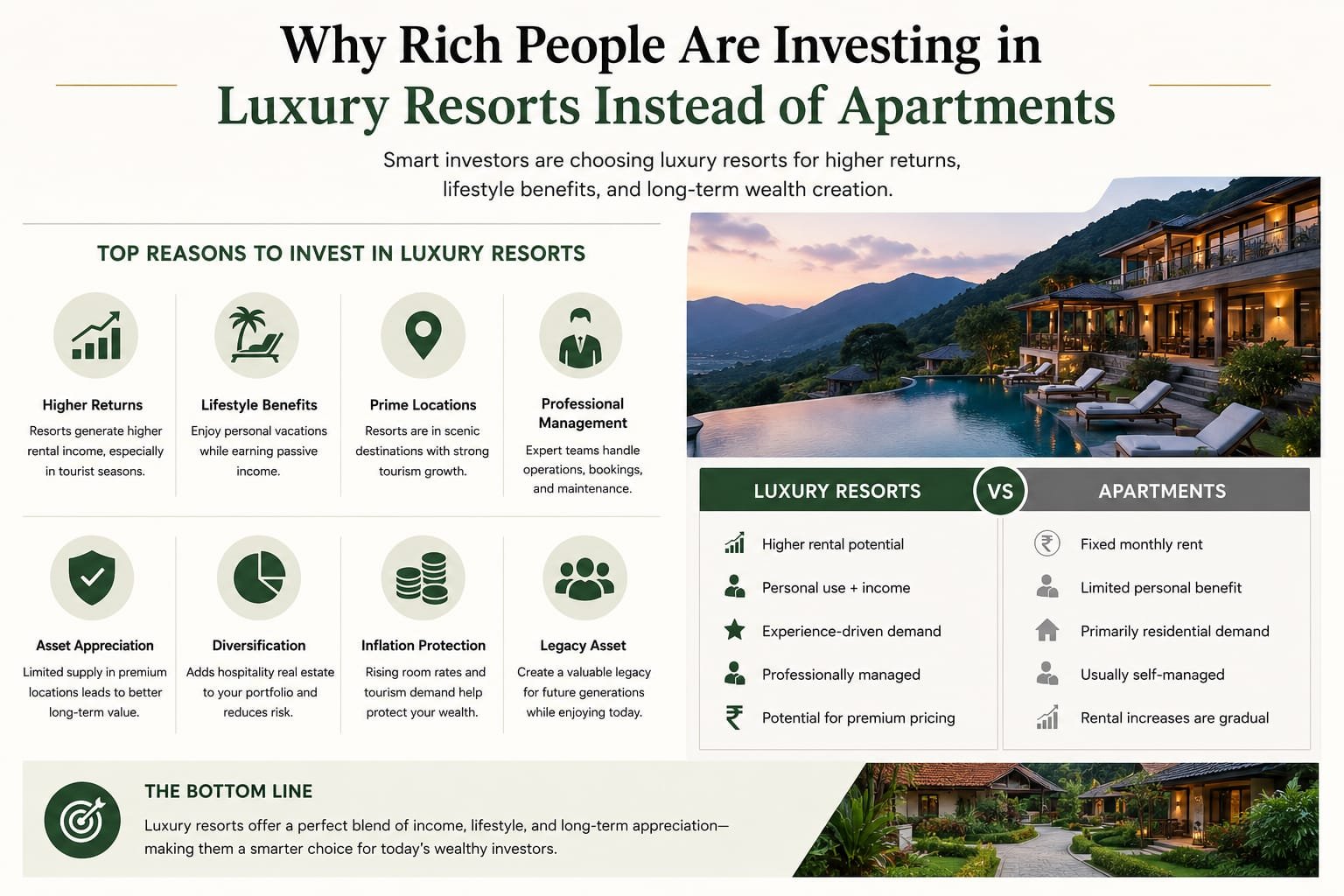
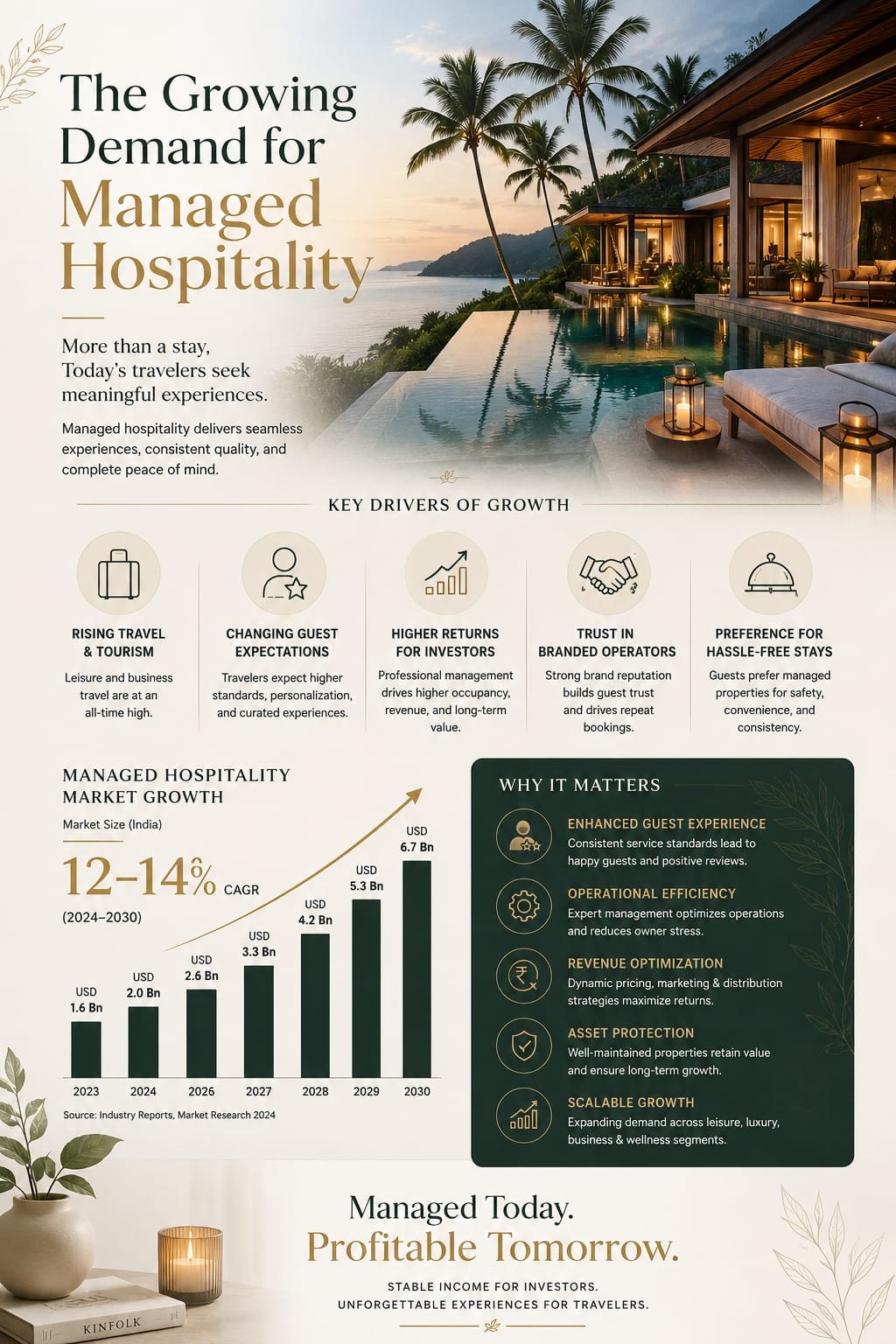
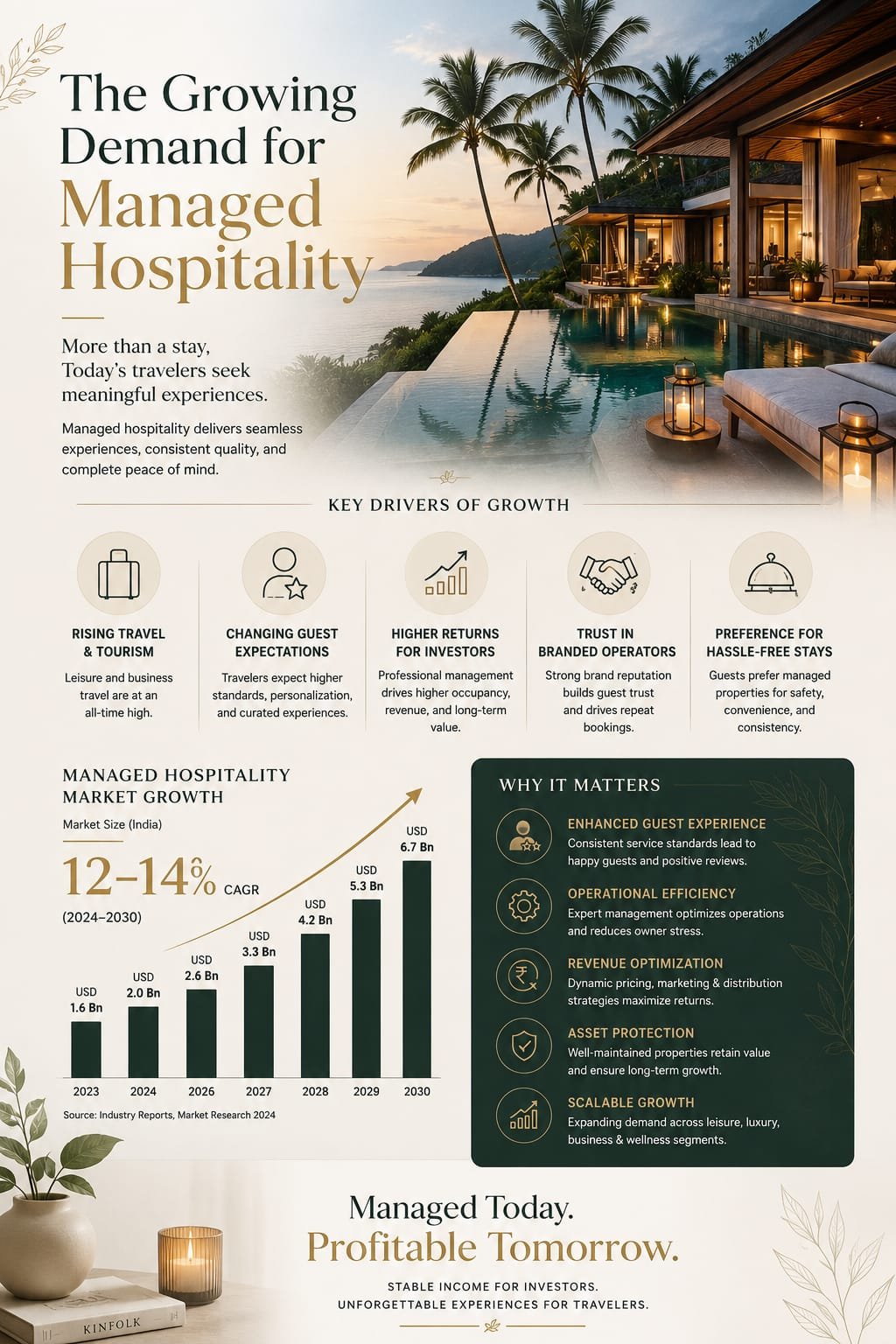
Investors are paying close attention to service-based real estate because of its ability to generate recurring revenue streams beyond rent.
Additional income sources may include:
- Membership fees
- Concierge services
- Premium amenities
- Event hosting
- Parking services
- Wellness and fitness programs
These diversified revenue channels can improve profitability and reduce dependence on rental income alone.
Furthermore, properties offering exceptional services often command premium pricing and experience lower vacancy rates.
Appeal Across Multiple Real Estate Segments
The service-based model is not limited to a single property category. It is expanding across various sectors, including:
Residential Real Estate
Modern apartment complexes now offer concierge desks, fitness programs, housekeeping, and smart-home services.
Commercial Real Estate
Managed offices and flexible workspaces provide businesses with infrastructure, technology support, and administrative services.
Senior Living
Older adults increasingly prefer communities that combine housing with healthcare, dining, and recreational support.
Student Housing
Students benefit from accommodation packages that include maintenance, internet, security, and community engagement.
Hospitality-Driven Residences
Luxury developments are incorporating hotel-style services such as room service, valet parking, and personal assistance.
Sustainability and Efficiency Benefits
Many service-based developments also support sustainability goals.
Centralized management enables better control of:
- Energy consumption
- Water usage
- Waste management
- Building maintenance
Shared resources and smart technologies help reduce environmental impact while improving operational efficiency.
As sustainability becomes a key consideration for both consumers and investors, service-oriented properties gain an additional competitive advantage.urbanarbor.in
The Future of Real Estate
The future of real estate is increasingly experience-driven. Consumers are looking for more than four walls—they want convenience, flexibility, support, and community.
Service-based real estate meets these expectations by combining quality spaces with professional services that enhance everyday life. As technology advances and lifestyles continue to evolve, this model is likely to become a standard feature across many property sectors.
Conclusion
Service-based real estate is gaining popularity because it aligns with the needs of modern consumers who value convenience, flexibility, and personalized experiences. By integrating services directly into residential and commercial properties, developers create environments that offer greater comfort, stronger communities, and enhanced customer satisfaction.
For investors, developers, and property managers, the rise of service-based real estate presents a valuable opportunity to build long-term relationships, generate diversified revenue streams, and stay competitive in an increasingly experience-focused market. As the industry evolves, service-oriented properties are poised to play a central role in shaping the future of real estate.urbanarbor.in
Frequently Asked Questions (FAQs)
1. What is service-based real estate?
Service-based real estate refers to properties that offer additional services alongside physical space, such as housekeeping, concierge support, maintenance, security, wellness programs, and community management to enhance the overall user experience.
2. Why is service-based real estate becoming popular?
It is gaining popularity because modern consumers prioritize convenience, flexibility, and lifestyle experiences. Integrated services help save time, improve comfort, and create a more seamless living or working environment.
3. What are some examples of service-based real estate?
Examples include co-living spaces, managed office spaces, senior living communities, student housing, serviced apartments, and mixed-use developments that provide amenities and professional support services.
4. How does service-based real estate benefit investors?
Investors can benefit from higher tenant retention, lower vacancy rates, premium rental income, and additional revenue streams generated through value-added services and amenities.
5. Is service-based real estate suitable for residential properties only?
No. Service-based real estate is applicable across residential, commercial, hospitality, student housing, and senior living sectors. Any property can adopt a service-oriented model to improve customer experience.
6. What role does technology play in service-based real estate?
Technology enables seamless service delivery through mobile apps, smart building systems, digital payments, maintenance tracking, and virtual concierge services, making property management more efficient and user-friendly.https://urbanarbor.in