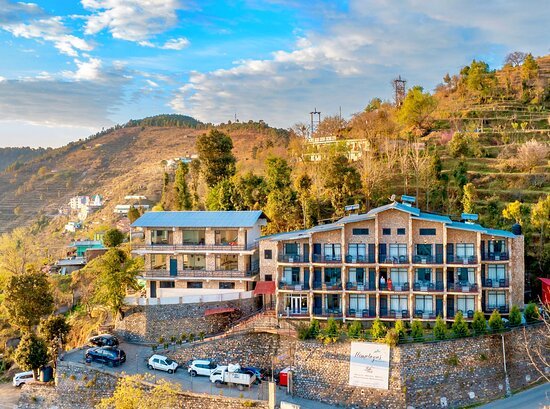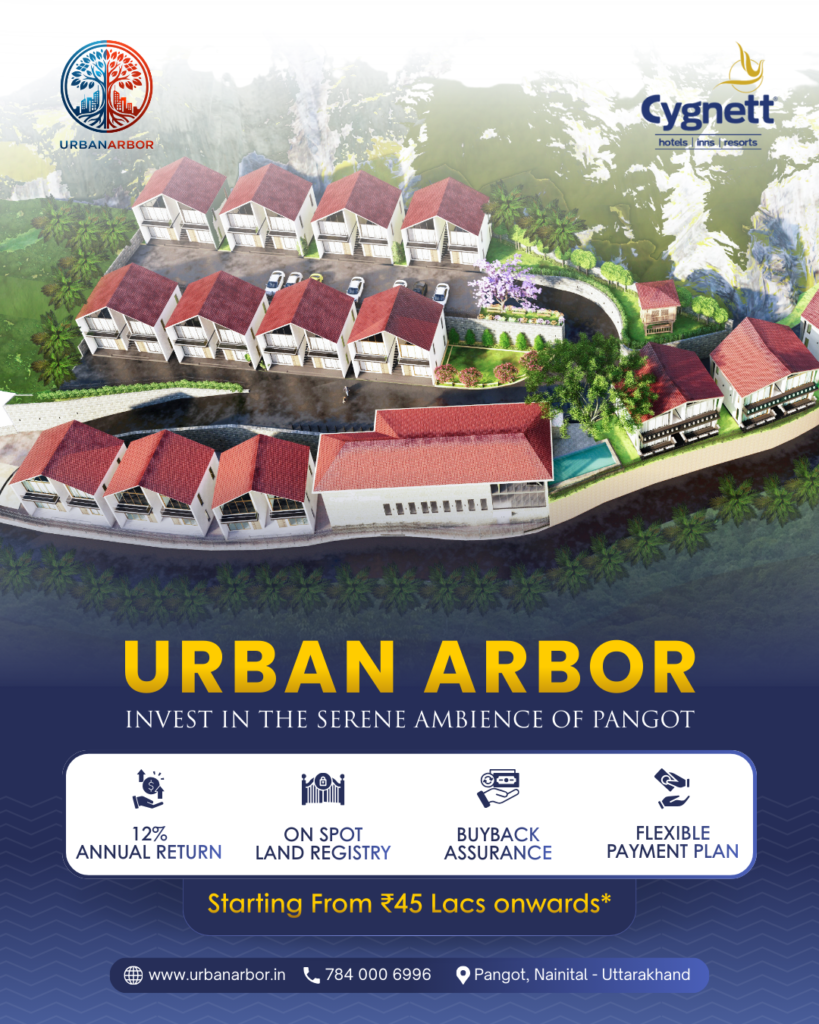
The way people invest in real estate is changing fast. A decade ago, most investors focused on apartments, plots, or commercial spaces in crowded urban markets. Today, many professionals and high-net-worth investors are turning toward managed resort investment opportunities, especially in tourism-driven locations like Nainital.
Why? Because investors no longer want only property ownership. They want lifestyle value, passive income, professional management, and long-term appreciation — all without the daily headaches of traditional property management.
That shift is pushing resort investment in Nainital into the spotlight.
Quick Summary
- Traditional real estate still works, but investor expectations are changing rapidly.
- Managed resort investments offer passive income with professional operations.
- Tourism growth in hill destinations is increasing demand for premium stays.
- Investors prefer low-maintenance hospitality assets over self-managed rentals.
- Nainital investment opportunities are gaining attention due to rising tourism and limited land availability

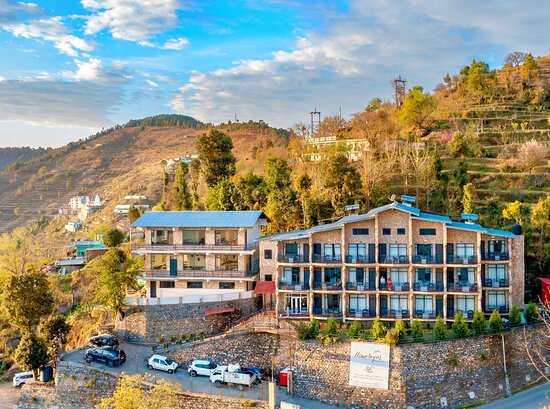
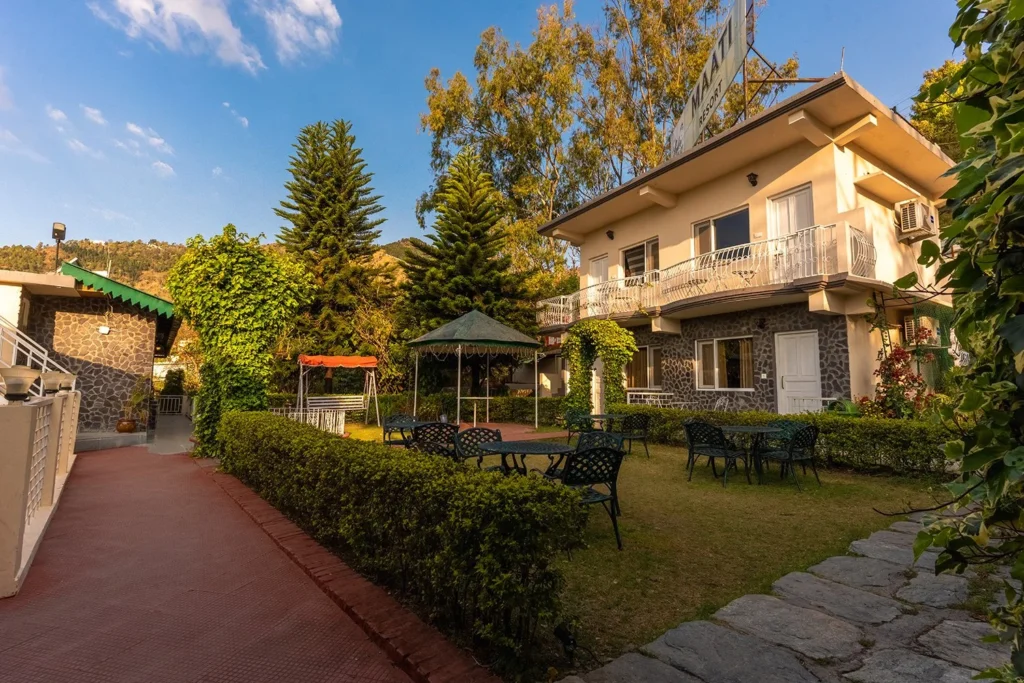
What Is a Managed Resort Investment?
A managed resort investment allows you to own a hospitality-focused property while a professional operator handles the day-to-day operations.
Instead of managing tenants, maintenance requests, or vacancies yourself, the resort management company takes care of:
- Guest bookings
- Housekeeping
- Property maintenance
- Marketing
- Operations
- Customer service
You own the asset while professionals run the business side.
This model appeals strongly to working professionals, NRIs, and investors looking for hands-free real estate income.
Traditional Real Estate: The Old-School Investment Model
Traditional real estate usually includes:
- Residential apartments
- Independent homes
- Commercial shops
- Office spaces
- Plots or land parcels
These investments depend heavily on:
- Long-term appreciation
- Rental income
- Market cycles
- Tenant management
While this model has created wealth for decades, investors today face new challenges:
Common Challenges in Traditional Real Estate
1. Tenant Management Problems
Late rent payments, vacant periods, and maintenance disputes reduce profitability and create stress.
2. Slower Rental Growth
In many urban markets, rental yields remain relatively low compared to overall property prices.
3. High Competition
Metro cities now have oversupply in several residential categories, especially apartments.
4. Maintenance Burden
Property upkeep becomes difficult when investors live in another city.
Why Resort Investment Is Growing Faster
The hospitality and travel sector has changed dramatically after the rise of remote work, short vacations, and experiential travel.
People no longer travel only during holidays. Weekend travel has become part of modern lifestyle culture.
That shift directly benefits resort investment opportunities.
Rising Tourism in Hill Destinations
Locations like Nainital, Pangot, Bhimtal, and Mukteshwar continue attracting travelers from Delhi NCR and nearby metro cities.
Tourists now prefer:
- Boutique stays
- Eco-resorts
- Nature retreats
- Luxury cottages
- Wellness resorts
- Mountain-view accommodations
This demand creates stronger occupancy potential for well-managed resort properties.
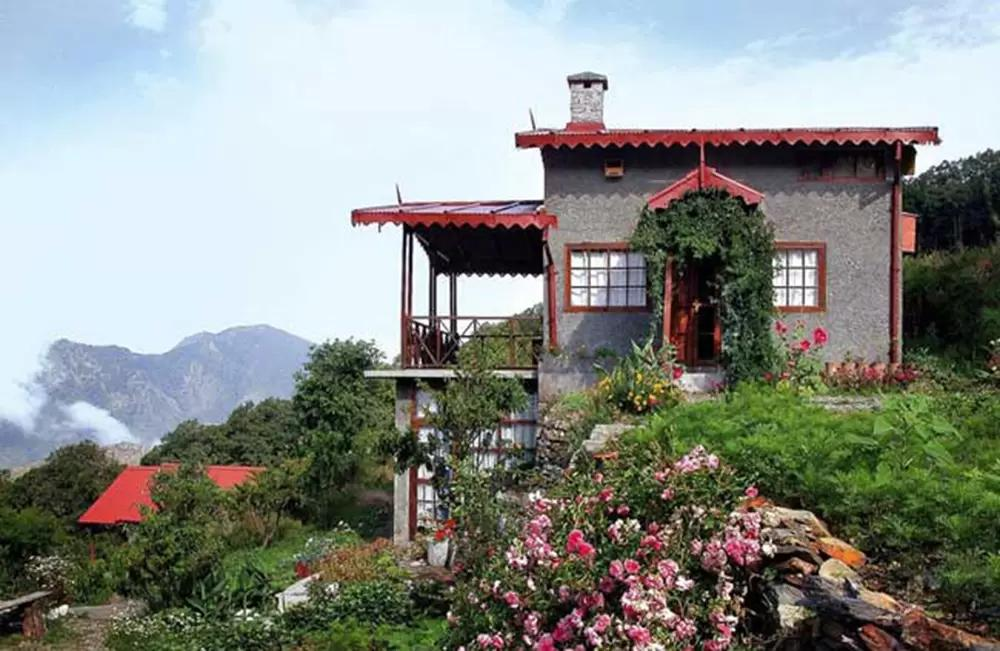
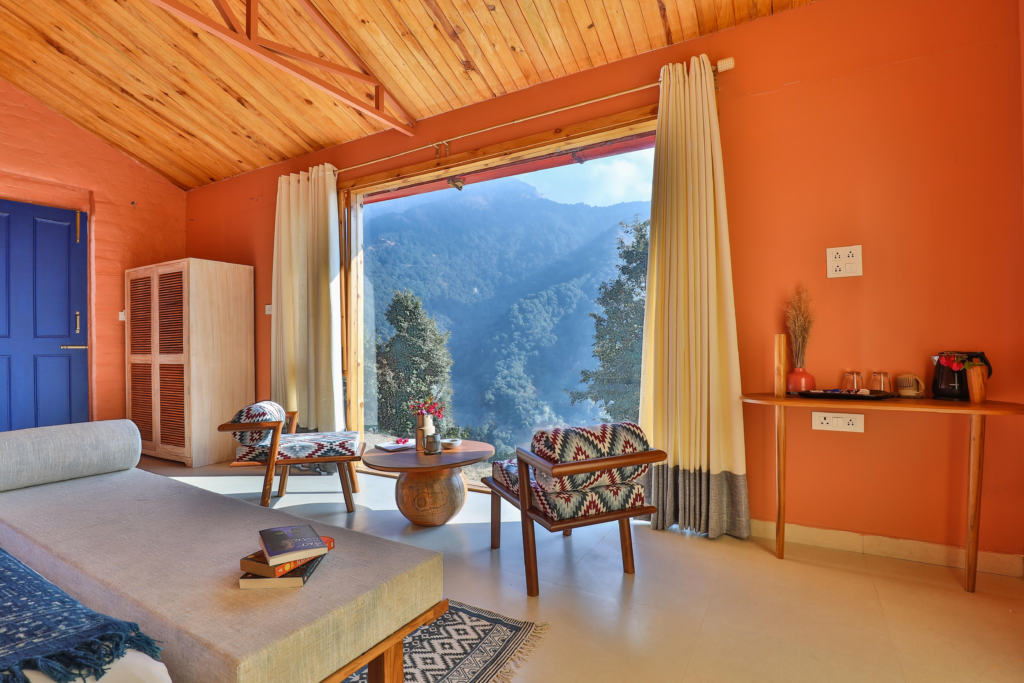

Why Nainital Investment Opportunities Are Attracting Attention
Strong Demand From Delhi NCR
One of the biggest advantages of Nainital investment is accessibility.
Travelers from Gurgaon, Delhi, Noida, and nearby regions can reach Nainital within a manageable drive. That convenience supports year-round tourism demand.
Weekend tourism alone creates significant occupancy potential for resorts and premium hospitality properties.
Limited Land Availability In Premium Locations
Hill stations naturally have limited construction zones due to geography and environmental regulations.
That creates scarcity.
When tourism demand rises but premium land remains limited, property values often strengthen over time.
This is one reason many investors see Nainital resort investments as a long-term wealth-building opportunity rather than only a rental play.
Growth of Experiential Travel
Modern travelers value experiences more than standard hotel stays.
Today’s guests want:
- Bonfire experiences
- Forest views
- Wellness retreats
- Digital detox stays
- Eco-friendly accommodations
- Personalized hospitality
Managed Resort Investment vs Traditional Real Estate
| Feature | Managed Resort Investments | Traditional Real Estate |
|---|---|---|
| Investment Type | Hospitality-based property investment | Residential, commercial, or land investment |
| Income Source | Revenue from tourism and guest stays | Monthly rent or property appreciation |
| Management | Professionally managed by resort operators | Managed by the owner or property manager |
| Investor Involvement | Minimal day-to-day involvement | Active involvement often required |
| Target Audience | Tourists, travelers, wellness seekers | Tenants, businesses, homeowners |
| Return Potential | Seasonal but potentially higher during peak tourism | Stable but usually fixed rental income |
| Lifestyle Benefits | Personal vacation usage and luxury experience | Mostly financial ownership |
| Maintenance Responsibility | Handled by management company | Owner is responsible |
| Demand Driver | Tourism and experiential travel trends | Urban housing and commercial demand |
| Best Locations | Tourist destinations like Nainital | Cities, towns, business districts |
| Risk Factors | Tourism fluctuations, operator performance | Market slowdown, tenant vacancy |
| Appreciation Potential | High in premium tourism locations with limited supply | Depends on urban development and market cycle |
| Ideal For | Professionals seeking passive income and lifestyle value | Long-term traditional investors |
| Ownership Experience | Hands-free and hospitality-focused | Direct ownership and management |
| Growth Trend | Rapidly growing with travel industry expansion | Mature and highly competitive market |
Expert Insight: Investors Now Prioritize “Lifestyle Assets”
A major shift in investor behavior is happening globally.
People increasingly prefer assets that offer:
- Financial returns
- Personal utility
- Emotional value
- Flexible usage
- Experience-driven demand
This trend explains why hospitality-led real estate markets are expanding faster in tourism destinations.
According to tourism industry reports, domestic travel demand in India continues to grow steadily, especially for short-stay leisure destinations.
The Rise of Professionally Managed Hospitality Assets
Earlier, resort ownership required hospitality expertise.
Now, professionally managed investment models allow investors to participate without operating the property themselves.
This shift is attracting:
- Corporate professionals
- Entrepreneurs
- Doctors
- NRIs
- First-time hospitality investors
Many investors see this as a smarter alternative to overcrowded urban real estate markets.
Common Mistakes Investors Should Avoid
Choosing Location Over Fundamentals
Beautiful views alone are not enough. Investors should evaluate:
- Accessibility
- Tourism demand
- Occupancy potential
- Infrastructure development
- Nearby attractions
Is Traditional Real Estate Becoming Obsolete?
Traditional real estate still offers stability and long-term value. Commercial properties, residential rentals, and land investments continue playing an important role in wealth creation.
However, investor expectations have evolved.
People now seek:
- Better experiences
- Flexible income opportunities
- Professionally managed assets
- Lifestyle-driven investments
That’s where resort investment models are creating a strong alternative.
Key Takeaways
Managed resort investments are growing because they offer:
- Passive ownership
- Tourism-driven income potential
- Professional management
- Lifestyle value
- Exposure to hospitality growth
Traditional real estate still works for:
- Stable long-term holding
- Conventional rental income
- Urban asset diversification
Nainital stands out because:
- Tourism demand remains strong
- Delhi NCR accessibility supports weekend travel
- Premium land supply is limited
- Nature tourism continues growing
Frequently Asked Questions (FAQ)
1. What is a managed resort investment?
A managed resort investment allows you to own a hospitality property while a professional company handles operations like bookings, maintenance, and guest services. You benefit from potential revenue without managing the property daily.
2. Why is Nainital becoming popular for resort investment?
Nainital attracts strong tourist traffic from Delhi NCR and nearby cities. The growing demand for nature stays, luxury cottages, and wellness tourism is increasing interest in hospitality-focused real estate.
3. Is resort investment better than traditional real estate?
It depends on your investment goals. Traditional real estate offers stability, while managed resort investments provide lifestyle benefits and tourism-linked income potential. Many investors now include both for diversification.
4. What risks should investors consider before buying resort property?
Key risks include poor management quality, weak location selection, legal issues, and unrealistic return expectations. Investors should research operators carefully and verify all approvals before investing.
5. Can managed resort investments generate passive income?
Yes. In professionally operated projects, the management company handles guest operations, maintenance, and marketing, reducing direct involvement from investors.
6. Are hill station properties good long-term investments?
Premium hill destinations with strong tourism demand and limited land supply often show long-term appreciation potential. However, investors should evaluate infrastructure, accessibility, and environmental regulations carefully.
7. Who should consider investing in managed resorts?
Managed resorts appeal to professionals, NRIs, entrepreneurs, and investors seeking passive ownership with hospitality exposure. They are especially attractive for people who do not want daily property management responsibilities.
8. What makes experiential travel important for resort investments?
Modern travelers prefer unique experiences over standard hotel stays. Eco-tourism, wellness retreats, and luxury nature stays are increasing occupancy demand for premium resorts.
Final Thoughts
Real estate investing is no longer limited to apartments and commercial shops. Investor preferences are shifting toward assets that combine income potential, lifestyle value, and professional management.
That’s why resort investment in Nainital is gaining momentum among modern investors.
As tourism trends evolve and experiential travel grows, managed hospitality assets are becoming an increasingly important part of diversified real estate portfolios.
If you’re exploring new-age investment opportunities, this is the right time to study how managed resorts fit into your long-term strategy.