Introduction
In today’s rapidly evolving investment landscape, investors are constantly looking for opportunities that offer stability, growth, and long-term value. While traditional investment options such as fixed deposits, gold, and residential properties remain popular, commercial assets have emerged as a preferred choice for modern investors.
From office spaces and retail shops to mixed-use developments and hospitality projects, commercial real estate is attracting attention due to its potential for higher returns, consistent rental income, and long-term appreciation. As urbanization and business expansion continue to reshape markets, commercial assets are becoming an essential part of diversified investment portfolios.
What Are Commercial Assets?
Commercial assets refer to properties that are primarily used for business purposes. These include:
- Office spaces
- Retail stores and shopping complexes
- Business parks
- Co-working spaces
- Warehouses and logistics hubs
- Hospitality and resort developments
Unlike residential properties, commercial assets are designed to generate income through leasing and business operations.
1. Higher Rental Income Potential
One of the biggest reasons investors are turning toward commercial assets is their ability to generate attractive rental yields.
Commercial properties often provide significantly higher rental returns compared to residential properties. Businesses are willing to pay premium rents for strategic locations that help them attract customers and improve operational efficiency.
Benefits:
- Regular cash flow
- Higher rental yields
- Long-term lease agreements
- Better income stability
2. Long-Term Wealth Creation
Commercial assets have the potential to appreciate significantly over time, especially when located in growing business districts or emerging investment destinations.
As infrastructure develops and demand increases, property values tend to rise, creating opportunities for substantial capital gains.
Factors Driving Appreciation:
- Infrastructure development
- Growing business activity
- Improved connectivity
- Increasing demand for commercial spaces
3. Portfolio Diversification
Modern investors understand the importance of diversification. Commercial assets provide an opportunity to balance investment portfolios by adding a tangible, income-generating asset.
Unlike stock markets, which can experience short-term volatility, commercial real estate often provides greater stability and predictable returns.
Advantages:
- Reduced portfolio risk
- Stable asset class
- Protection against market fluctuations
- Multiple income streams
4. Growing Demand for Business Spaces
The expansion of startups, corporate offices, retail brands, and service-based businesses has created strong demand for commercial spaces.
As cities expand and new economic hubs emerge, businesses continue to seek strategically located properties that enhance visibility and accessibility.
This growing demand supports:
- Higher occupancy rates
- Increased rental income
- Better long-term asset performancehttps://urbanarbor.in
5. Inflation Hedge
Commercial real estate is often considered an effective hedge against inflation.
As inflation rises, property values and rental rates generally increase, helping investors maintain purchasing power and preserve wealth over the long term.
Why It Matters:
- Rental income can increase over time
- Property values often appreciate with inflation
- Better protection than many fixed-income investments
6. Professional Lease Structures
Commercial properties typically operate under structured lease agreements that provide greater clarity and security for investors.
These agreements often include:
- Longer lease durations
- Scheduled rent escalations
- Maintenance responsibilities shared by tenants
- Reduced vacancy risks
Such arrangements contribute to more predictable returns.https://urbanarbor.in
7. Infrastructure-Led Growth Opportunities
Major infrastructure projects such as highways, metro connectivity, airports, and smart city initiatives are transforming commercial real estate markets.
Properties located near infrastructure developments often experience:
- Increased demand
- Higher rental values
- Improved accessibility
- Faster appreciation
Investors who enter emerging locations early can benefit from future growth potential.
8. Rising Interest in Experience-Driven Investments
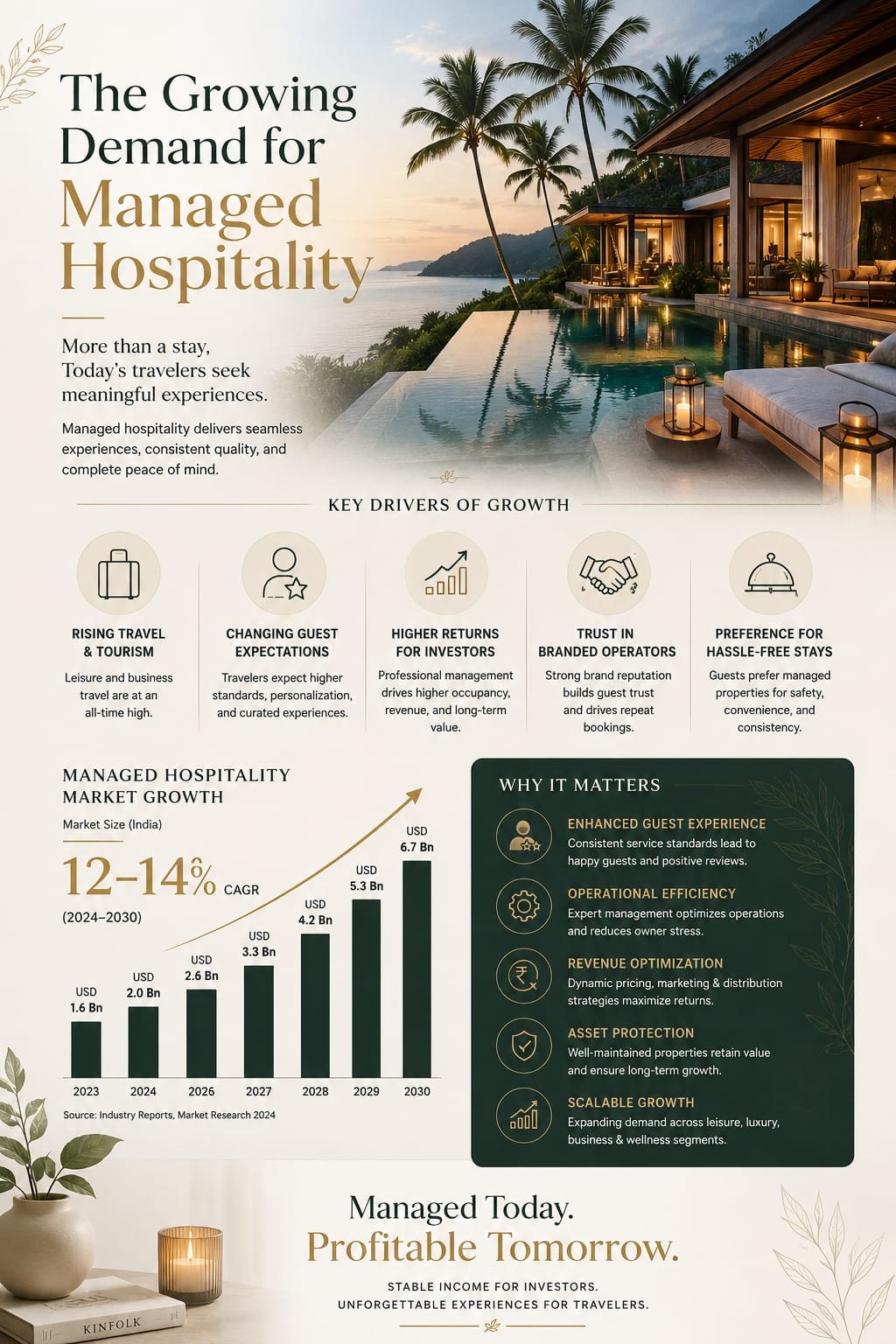
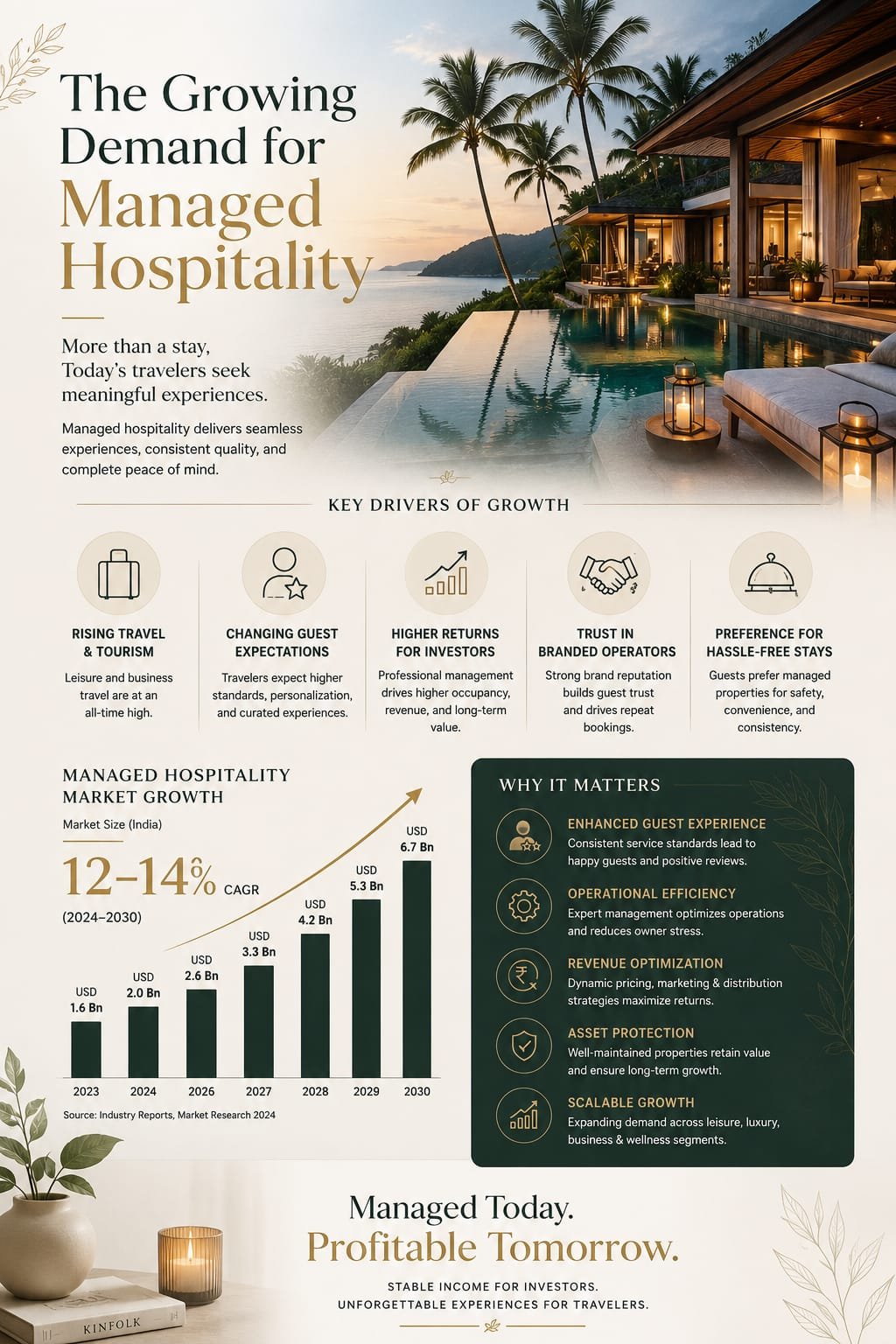
Today’s investors are increasingly attracted to assets that align with evolving consumer preferences. Hospitality, resort, and mixed-use commercial developments are gaining popularity because they combine income generation with lifestyle value.
The growing trend of weekend tourism, remote working, and experiential travel has created new opportunities within commercial and hospitality-focused investments.
Why Investors Are Looking Beyond Traditional Assets
Modern investors are no longer focused solely on preserving wealth. They seek investments that can:
- Generate recurring income
- Deliver long-term appreciation
- Provide portfolio diversification
- Offer protection against inflation
- Create sustainable wealth over time
Commercial assets meet these requirements while benefiting from economic growth and increasing business activity.
How Urban Arbor Supports Smart Investment Decisions
At Urban Arbor, we understand the changing preferences of modern investors. Our carefully selected investment opportunities focus on high-growth locations, future-ready developments, and premium assets designed for long-term value creation.
Whether you’re exploring commercial opportunities, hospitality investments, or emerging growth destinations, Urban Arbor helps investors identify assets that align with their financial goalshttps://urbanarbor.in.
Conclusion
Commercial assets have become a compelling investment choice for modern investors seeking stable income, capital appreciation, and portfolio diversification. As economies expand and demand for business spaces continues to grow, commercial real estate offers strong potential for long-term wealth creation.
For investors looking to build a resilient and future-focused portfolio, commercial assets represent an opportunity that combines security, growth, and consistent returns.
1. What are commercial assets?
Commercial assets are properties used for business purposes, such as offices, retail spaces, warehouses, and hospitality developments.
2. Why do investors prefer commercial assets?
Investors prefer commercial assets because they often provide higher rental income, long-term appreciation, and stable returns.
3. Are commercial properties a good hedge against inflation?
Yes. Commercial properties often experience rental and value growth during inflationary periods, helping preserve purchasing power.
4. How do commercial assets generate income?
They generate income through rent, lease agreements, and in some cases, revenue-sharing arrangements.
5. Is commercial real estate suitable for long-term investment?
Yes. Commercial real estate is widely considered a strong long-term investment due to its income-generating potential and appreciation opportunities.