Introdection https://urbanarbor.in
In the world of real estate, hospitality, and investment-driven properties, the terms ownership and management are often used interchangeably. However, they represent two very different roles that significantly impact the performance, profitability, and long-term value of an asset.
Whether you’re considering investing in a resort property, serviced apartment, vacation home, or commercial real estate, understanding the distinction between ownership and management is essential for making informed decisions.
What Is Ownership?
Ownership refers to the legal possession of an asset. An owner holds the title to a property and enjoys the rights associated with that ownership, including potential income, appreciation, and resale value.
Property owners are responsible for:
- Purchasing and financing the asset
- Holding legal ownership rights
- Receiving profits generated by the property
- Benefiting from long-term capital appreciation
- Making major strategic decisions regarding the asset
In simple terms, ownership is about having a stake in the property and enjoying the financial benefits it generates.
What Is Management?
Management refers to the day-to-day operation and administration of a property. A management company or professional team is responsible for ensuring that the asset runs efficiently and delivers a quality experience to guests, residents, or tenants.
Management responsibilities may include:
- Property maintenance and upkeep
- Guest services and customer support
- Marketing and bookings
- Staff recruitment and training
- Financial reporting and operational oversight
- Revenue optimization
While owners hold the asset, managers ensure that it performs effectively.
Key Differences Between Ownership and Management
| Ownership | Management |
|---|---|
| Holds legal title to the property | Operates the property on a daily basis |
| Earns income and capital appreciation | Earns management fees or performance incentives |
| Focuses on investment returns | Focuses on operational efficiency |
| Makes major strategic decisions | Executes operational plans |
| Long-term asset holder | Day-to-day property operator |
Why the Distinction Matters
Understanding the difference between ownership and management is especially important in hospitality and resort investments.
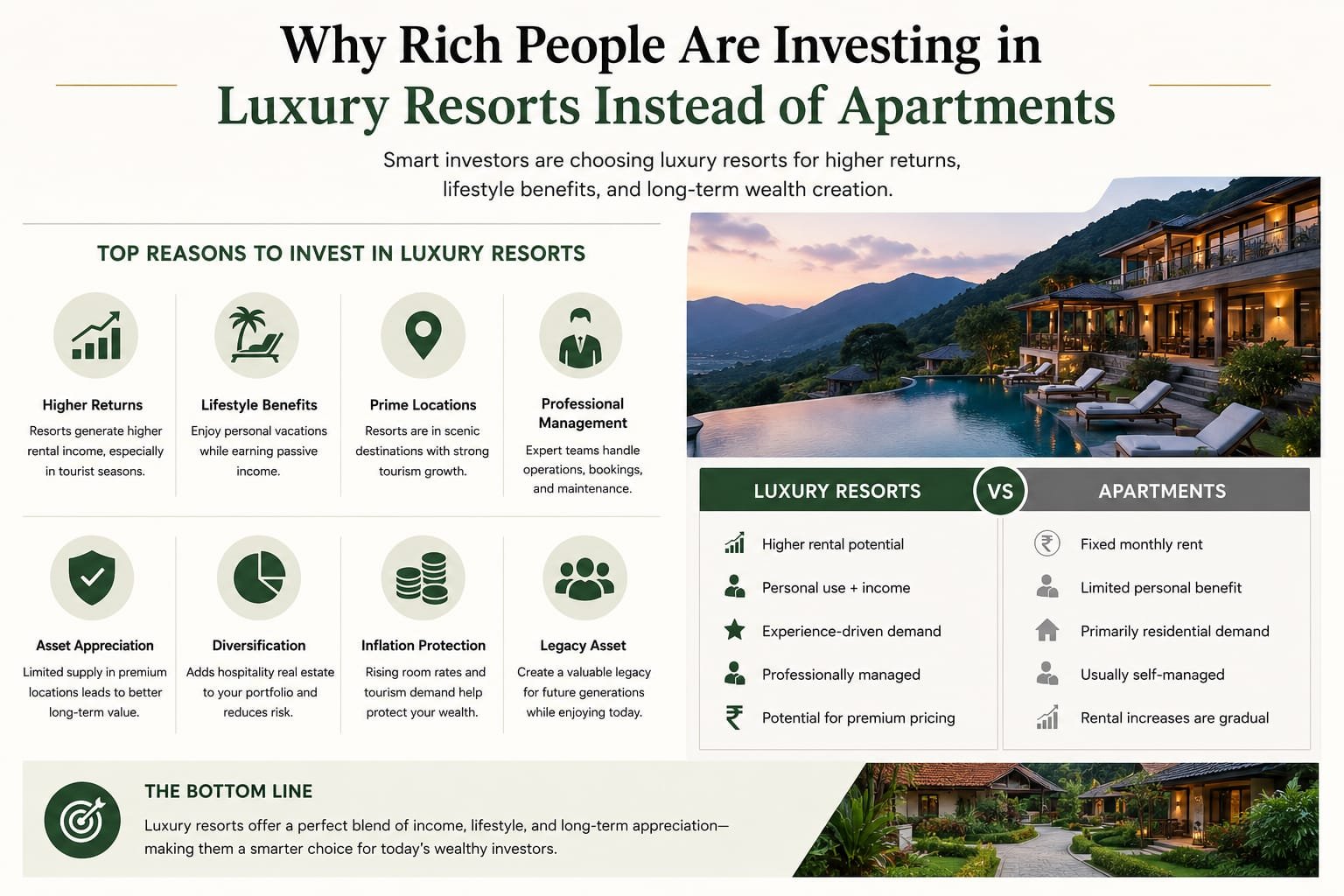
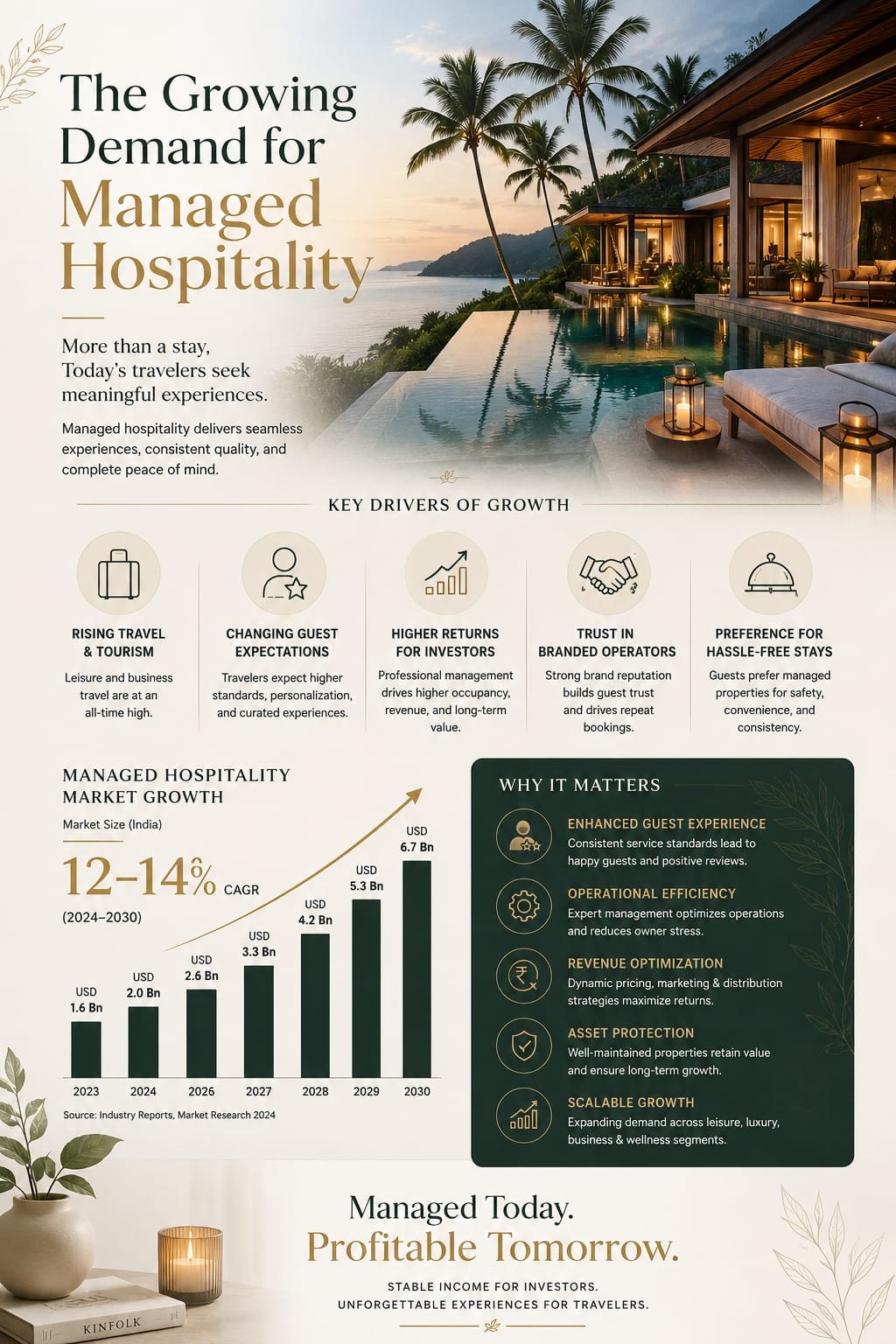
Many investors prefer professionally managed properties because they can enjoy the benefits of ownership without handling daily operational responsibilities. This approach allows investors to generate passive income while experienced management teams oversee bookings, maintenance, guest experiences, and revenue generation.
For example, an investor may own a luxury resort villa, while a hospitality management company manages guest reservations, housekeeping, marketing, and property maintenance.
Benefits of Professional Management for Owners
1. Passive Income Potential
Owners can earn rental income without actively managing guests, staff, or operations.
2. Enhanced Guest Experience
Experienced management teams maintain service standards that improve customer satisfaction and repeat bookings.
3. Better Operational Efficiency
Professional managers use proven systems and industry expertise to maximize occupancy and revenue.
4. Asset Preservation
Regular maintenance and inspections help protect the property’s long-term value.
5. Market Expertise
Management companies understand market trends, pricing strategies, and customer expectations, helping properties remain competitive.
Ownership Without Management Challenges
While self-management may seem appealing, it often comes with challenges such as:
- Time-consuming operations
- Guest communication responsibilities
- Maintenance coordination
- Marketing and booking management
- Revenue optimization difficulties
Without professional support, owners may struggle to maximize returns and maintain service quality.
The Ideal Investment Model
Many modern real estate and hospitality developments combine private ownership with professional management. This model allows investors to retain ownership while leveraging expert operational support.
The result is a win-win situation:
- Owners enjoy income and appreciation.
- Management teams handle daily operations.
- Guests receive a superior experience.
- Properties maintain long-term value.
Conclusion
Ownership and management serve different but complementary functions in the real estate and hospitality sectors. Ownership provides the financial stake and long-term investment benefits, while management ensures smooth operations and optimal performance.
For investors seeking convenience, passive income, and professional oversight, properties with dedicated management services often offer the best balance between financial returns and peace of mind. Understanding this distinction can help investors make smarter decisions and maximize the potential of their real estate investments.https://urbanarbor.in
1. What is the difference between ownership and management?
Ownership refers to legally owning a property, while management involves handling its daily operations and maintenance.
2. Can a property owner also be the manager?
Yes, some owners manage their own properties, though many choose professional management services for convenience and efficiency.
3. Why do investors prefer professionally managed properties?
Professional management helps optimize revenue, maintain property standards, and reduce operational burdens for owners.
4. Does management affect property profitability?
Yes. Effective management can improve occupancy rates, guest satisfaction, and overall financial performance.
5. What are the benefits of separating ownership and management?
It allows owners to focus on investment returns while experts handle day-to-day operations, creating a more passive investment experience.